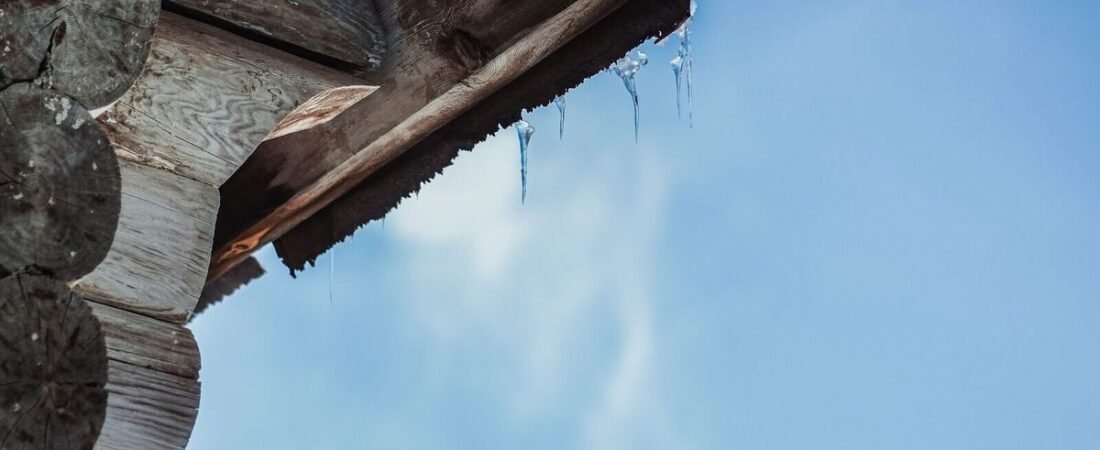
A well-installed asphalt shingle roof lasts roughly 18–22 years in West Michigan — shorter than the 20–25-year national average manufacturers quote, because Lake Michigan’s lake-effect snow load and repeated winter freeze-thaw cycling wear granules and seams faster than drier inland climates. Metal and higher-grade architectural shingles push closer to the top of that range or beyond. The single biggest local factor is how many freeze-thaw cycles the roof takes each winter, not just its age.
Ready to talk to someone about your roof?
Call to reach the licensed local roofer you’re matched with in Grand Rapids & West Michigan.
Call (901) 704-8932When you call, stay on the line for a few seconds while we match you with the licensed local roofer for your area. Have your address and a quick description of the problem ready.
“How long will my roof last” gets a different answer in Grand Rapids than it does in a dry, mild climate, and the gap comes down to one mechanism repeating itself every winter: water gets into a seam or under a granule, freezes, expands, and loosens something that was fine the week before. Do that forty or fifty times a season for two decades and it adds up to a shorter real-world lifespan than the number on the shingle wrapper.
What’s the Actual Lifespan by Material in Grand Rapids?
| Roofing material | National average | Typical West Michigan range |
|---|---|---|
| 3-tab asphalt shingle | 15–20 years | 13–17 years |
| Architectural (dimensional) shingle | 25–30 years | 20–25 years |
| Standing-seam metal | 40–60 years | 35–50 years |
| Impact-resistant shingle | 25–30 years | 22–27 years |
These are ranges, not guarantees — slope, attic ventilation, and how many winters in a row deliver heavy lake-effect totals all move the number in either direction.
Why Does Lake-Effect Weather Shorten Shingle Life?
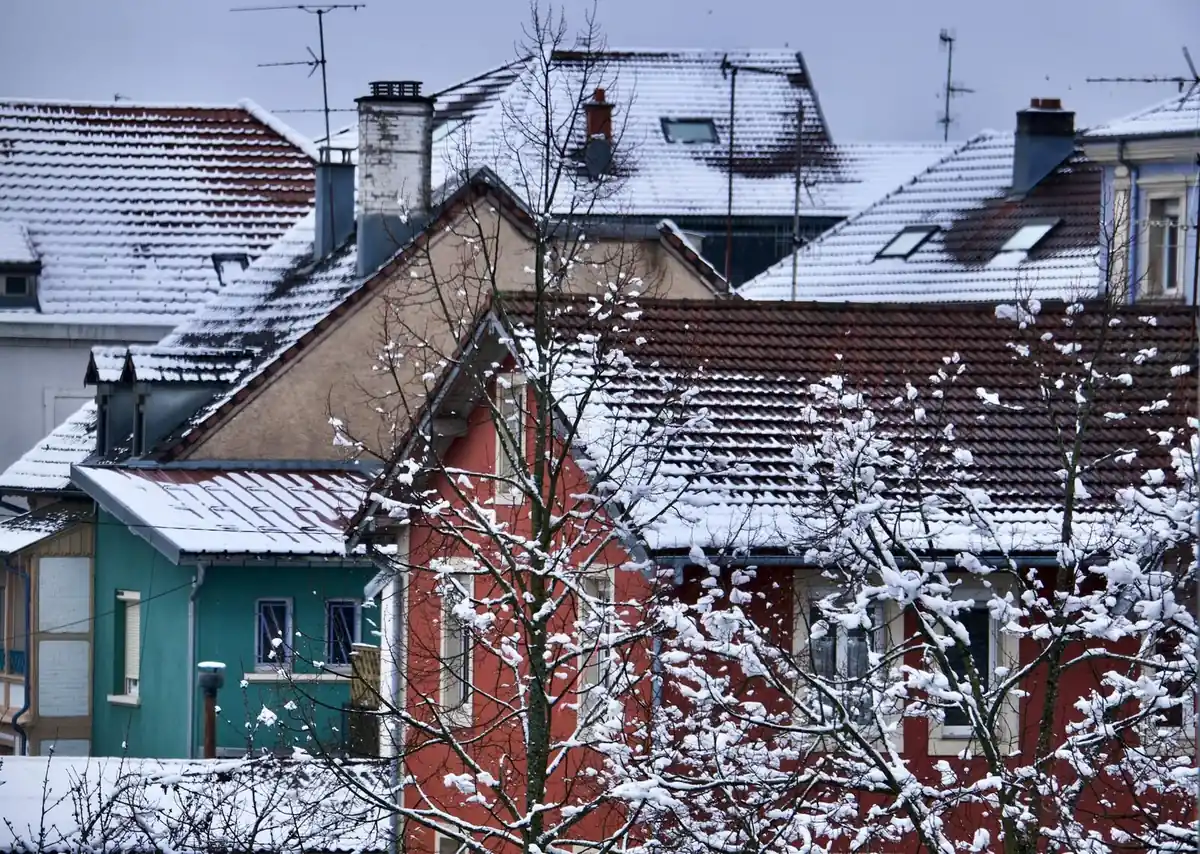
Grand Rapids sits close enough to Lake Michigan to catch lake-effect snow bands that inland Michigan cities largely miss, and the region averages roughly 75–80 inches of snowfall a season according to NOAA climate data — well above the statewide average. That extra snow load matters less by itself than what happens as it melts and refreezes on the roof deck: meltwater works into shingle seams and granule loss points during the day, then freezes and expands overnight. Over a full winter, that cycle repeats dozens of times, and it’s the mechanism most directly responsible for granule loss, seam lifting, and eventually ice-dam-driven leaks at the eaves.
A drier, milder climate simply doesn’t put a roof through that many freeze-thaw repetitions in a given winter, which is the core reason the “20–25 year” number on a shingle wrapper reads more like 18–22 in practice here.
Do Ice Dams Shorten a Roof’s Life, or Just Cause Leaks?
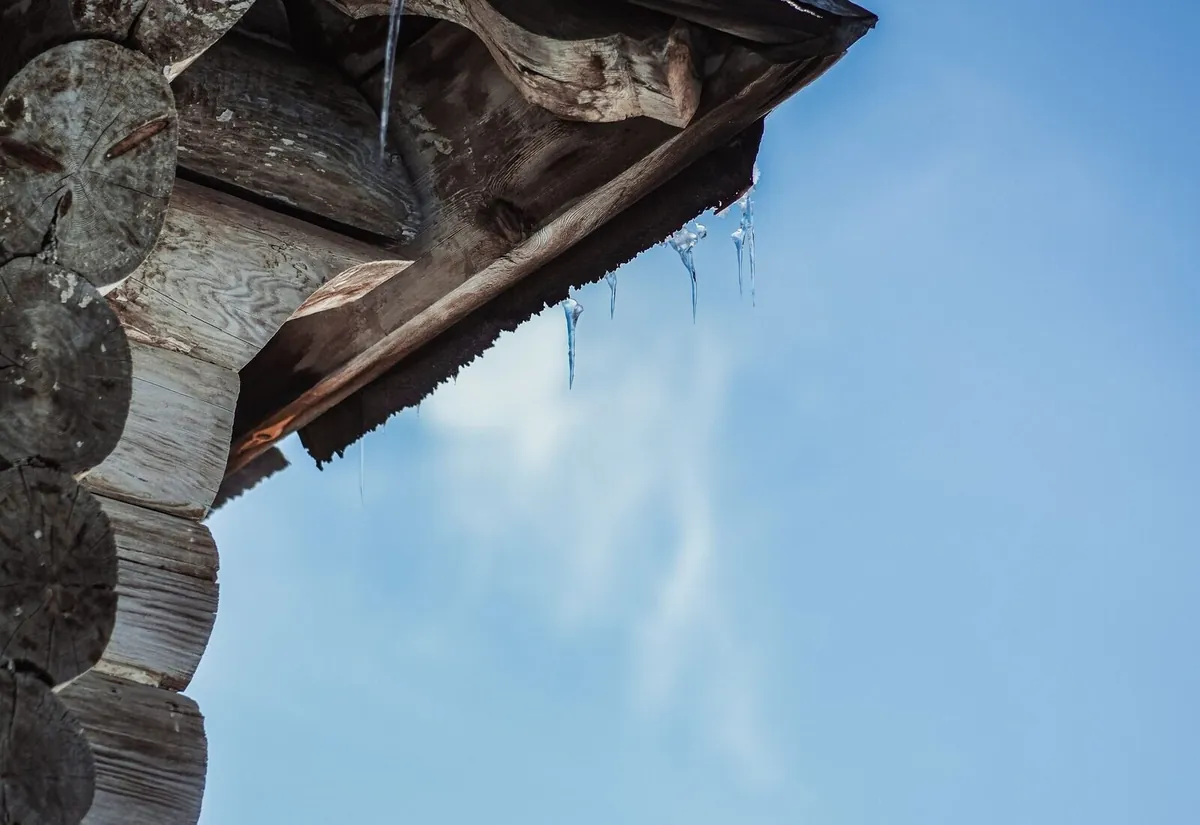
Both. An ice dam itself is usually a symptom of attic heat loss melting snow that refreezes at the colder eave overhang, but the standing water it creates behind the dam finds every weak seam, nail hole, and granule-bare patch on that section of roof. A roof that gets ice dams every winter is aging faster at the eaves specifically than the rest of the field, which is why eave wear often shows up years before the rest of the roof looks tired.
What Actually Extends a Roof’s Lifespan Here?
- Attic ventilation and insulation — keeping the roof deck cold and even reduces the melt-refreeze cycle that drives ice dams.
- A compliant ice-and-water barrier at the eaves — Michigan’s residential code requires this membrane on every re-roof for exactly this reason.
- Material grade — architectural shingles and metal roofing tolerate freeze-thaw cycling better than economy 3-tab shingles.
- Annual gutter and eave maintenance — clogged gutters make ice dams worse and accelerate eave-specific wear.
How Do I Know If My Roof Is Near the End of Its Life?
Granule loss showing up in gutters, shingles that curl or cup at the edges, cracked or missing tabs after a windstorm, and recurring ice dams at the same section of eave every winter are the signals worth acting on. A roof inspection is the fastest way to get a real answer instead of guessing from the ground — a licensed, insured local roofer can check the deck, the flashing, and the eave membrane directly and tell you whether the roof has years left or is genuinely at the end of its service life.
For a deeper look at which materials hold up best against this exact climate, the best roofing materials for a Michigan winter guide breaks down the tradeoffs by product line.
Not sure how many years your roof has left? Get matched with a licensed, insured local Grand Rapids roofer for a straight assessment — no obligation.
Does Roof Age Alone Tell the Whole Story?
Not really. Two roofs installed the same year in the same Kent County neighborhood can age at different rates depending on attic ventilation, tree cover, slope, and how consistently gutters were cleared. Age is a starting point for the conversation, not the final answer — which is why an on-roof inspection tends to be more useful than a lifespan chart alone once a roof passes the 15-year mark.
FAQ
How long do asphalt shingles really last in Michigan?
Most architectural asphalt shingle roofs in West Michigan last 20–25 years, and economy 3-tab shingles closer to 13–17 years, both somewhat shorter than national averages because of repeated freeze-thaw cycling from lake-effect winters.
Does lake-effect snow really shorten a roof’s lifespan?
Yes. It’s less about the snow weight itself and more about the melt-refreeze cycle it drives at the eaves and in shingle seams, which accelerates granule loss and seam wear compared to drier climates.
Is metal roofing worth it for a longer lifespan in West Michigan?
Metal roofing generally holds up better against freeze-thaw cycling and can last 35–50 years locally, but it’s a different upfront investment and installation approach than asphalt shingles — a licensed local roofer can walk through whether it fits a specific roof.
How often should a West Michigan roof be inspected?
An annual inspection, ideally in fall before winter and again after any major windstorm or hailstorm, catches eave and seam wear early enough to extend the roof’s practical service life.
Grand Rapids Roofing Pros is a free referral and matching service. We are not a licensed roofing contractor and do not perform roofing work ourselves. All work is performed by independent, licensed and insured local roofing contractors. Lifespan ranges are general estimates and vary by installation, ventilation, and maintenance history.