Metal Roofing in Grand Rapids, MI
Metal roofing in Grand Rapids behaves very differently from asphalt shingles in winter: its slick, continuous panel surface sheds snow by sliding instead of holding it in place. Grand Rapids Roofing Pros is an independent dispatch service connecting West Michigan homeowners with licensed local roofers for metal roofing projects.
Call now for a licensed local roofer
Call now and we’ll connect you by phone with the licensed local roofer you’re matched with — no phone tag, no obligation.
Ready to talk to someone about your roof?
Call to reach the licensed local roofer you’re matched with in Grand Rapids & West Michigan.
Call (901) 704-8932When you call, stay on the line for a few seconds while we match you with the licensed local roofer for your area. Have your address and a quick description of the problem ready.
We connect homeowners with independent licensed roofing professionals in the Grand Rapids area. We are not a licensed contractor and do not perform roofing work ourselves.
Does metal roofing prevent ice dams in Grand Rapids?
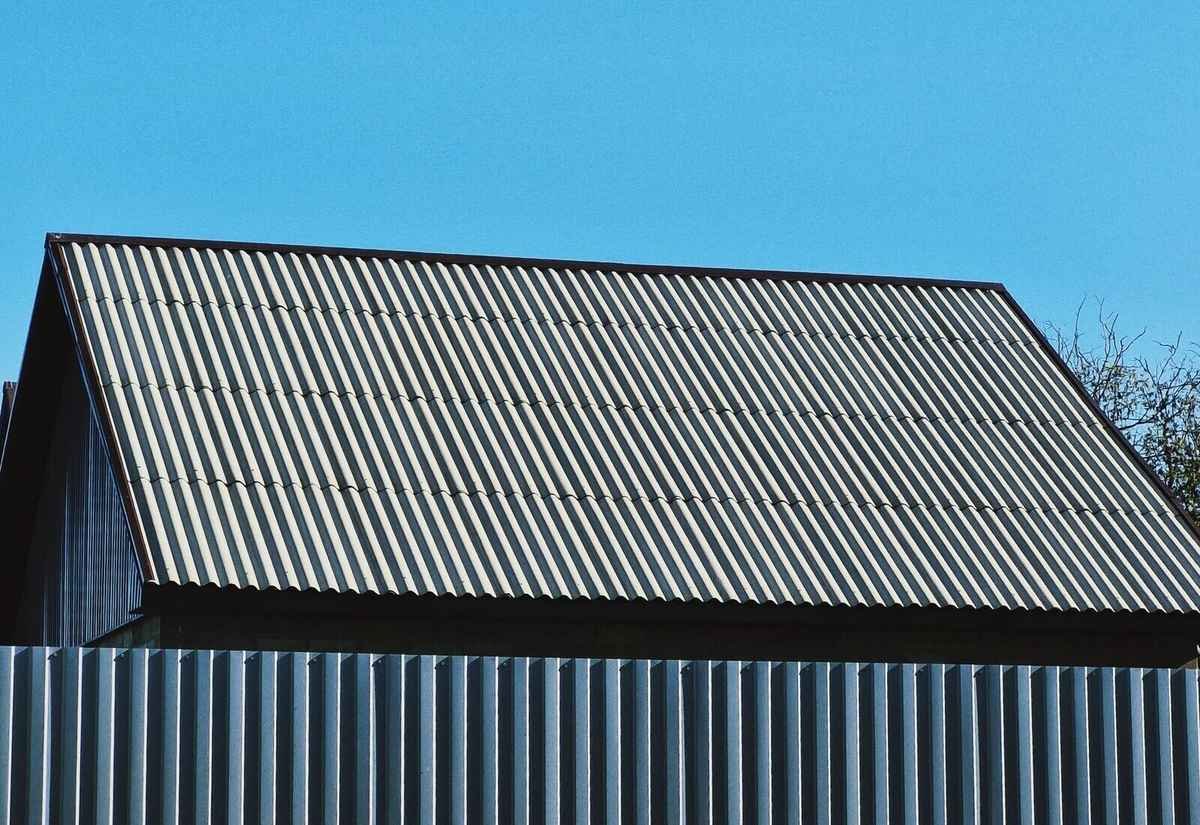
Not by itself. Metal roofing’s smooth, continuous panel surface lets snow slide off rather than pack the way it does on shingles, reducing standing snow load on the roof. But CRREL, the U.S. Army Corps of Engineers’ cold-climate research lab, documents that roofs draining to cold eaves, metal included, can still develop damaging icings and ice dams, since low-slope metal roofs still rely on eave drainage in exactly the way that causes them. Metal roofing changes West Michigan’s snow-and-ice risk; it does not remove it.
What metal roofing helps with — and what it doesn’t solve
Sliding snow is a real advantage and a real hazard at the same time.
What it helps with
- Sliding snow reduces the standing weight sitting on the roof plane during Grand Rapids’ multi-week snowpack.
- Continuous standing-seam panels have far fewer joints than a shingle field, reducing one class of water entry points.
- A well-ventilated metal roof keeps the panel surface closer to outdoor temperature, which limits the warm-roof/cold-eave gap that drives melt-refreeze.
What it doesn’t solve
- Sliding snow becomes a falling-snow hazard at entrances, walkways, and lower roofs — CRREL documents property damage and injuries from snow and ice sliding off slippery roofs.
- Roofs that still drain over a cold eave can develop ice dams and icicles, per CRREL’s own case documentation.
- Attic insulation and ventilation still have to be adequate — the warm-attic mechanism behind ice dams doesn’t change because the roofing material changed.
Three things to plan for on a Grand Rapids metal roof
Snow guards where it matters
CRREL’s research recommends snow guards above entrances, walkways, and lower roof sections on slippery-surfaced roofs to hold snow in place and prevent sudden falls.
Attic insulation & ventilation still apply
Metal panels don’t change the underlying physics — a warm, poorly ventilated attic beneath a metal roof can still drive melt-refreeze at a cold eave.
Eave ice-barrier detailing, by code
Michigan’s Residential Code (R905.1.2) ice-barrier requirement is not limited to asphalt shingle roofs by exemption — eave protection detailing still belongs in the conversation with your roofer.
Grand Rapids’ snow, in numbers
NOAA/NCEI climate normals for the Gerald R. Ford Airport station — the load a sliding-snow roof design is responding to.
A standing snowpack this persistent is exactly what a slippery metal surface is built to shed rather than hold.
The same three months that concentrate 60″+ of annual snowfall are when falling-snow hazards below a metal roof are most active.
CRREL documents icicles and ice dams forming on roofs — including metal — that drain over inadequately insulated cold eaves.
Sources: Buska & Tobiasson, “Minimizing the Adverse Effects of Snow and Ice on Roofs,” CRREL / US Army Corps of Engineers (ICBEST-2001); snowfall data via Current Results (NOAA/NCEI); code via City of Grand Rapids Roof Assembly Requirements.
Questions Grand Rapids homeowners ask
Do metal roofs prevent ice dams?+
Not entirely. Metal roofing sheds standing snow load by sliding, which helps, but roofs that still drain over a cold eave can develop ice dams regardless of roofing material, per CRREL cold-climate research. Attic insulation and ventilation remain the primary prevention factor.
Are snow guards required on metal roofs in Michigan?+
Building codes generally don’t mandate snow guards, but cold-climate engineering research recommends them on slippery-surfaced roofs, especially above entrances, walkways, and lower roof sections, to prevent sudden snow and ice falls.
Does metal roofing still need the Michigan ice-barrier code membrane at the eaves?+
The Michigan Residential Code’s eave ice-barrier requirement (R905.1.2) applies statewide; ask your roofer directly how eave protection is detailed for a metal roofing system.
What’s the biggest winter tradeoff with metal roofing?+
Sliding snow reduces roof-top snow load, but it creates a falling-snow and ice hazard below the eaves that needs to be managed, typically with snow guards positioned above entrances and walkways.
Metal roofing installers across Grand Rapids & Kent County
We connect homeowners with licensed roofers throughout the Grand Rapids metro and surrounding West Michigan communities.
Related guides
Get matched with a licensed Grand Rapids roofer
Call now and we’ll connect you with a licensed West Michigan roofer to talk through metal roofing options, snow guards, and eave protection. No phone tag, no obligation.
Call now for a roofer
Independent dispatch service connecting homeowners with licensed local roofing professionals. We are not a roofing contractor.