Ice Dam Removal in Grand Rapids
Last updated: August 2026
Ice dam removal in Grand Rapids is a winter emergency driven by the region’s lake-effect snow and warm-attic heat loss — not by ordinary roof wear. Grand Rapids Roofing Pros is an independent dispatch service that connects West Michigan homeowners with licensed local roofers for safe ice dam removal and the attic-side diagnosis that stops it recurring.
Ready to talk to someone about your roof?
Call to reach the licensed local roofer you’re matched with in Grand Rapids & West Michigan.
Call (901) 704-8932When you call, stay on the line for a few seconds while we match you with the licensed local roofer for your area. Have your address and a quick description of the problem ready.
Call now for a licensed local roofer
Call now and we’ll connect you by phone with the licensed local roofer you’re matched with — no phone tag, no obligation.
📞 Call Now — (901) 704-8932We connect homeowners with independent licensed roofing professionals in the Grand Rapids area. We are not a licensed contractor and do not perform roofing work ourselves.
Quick answer
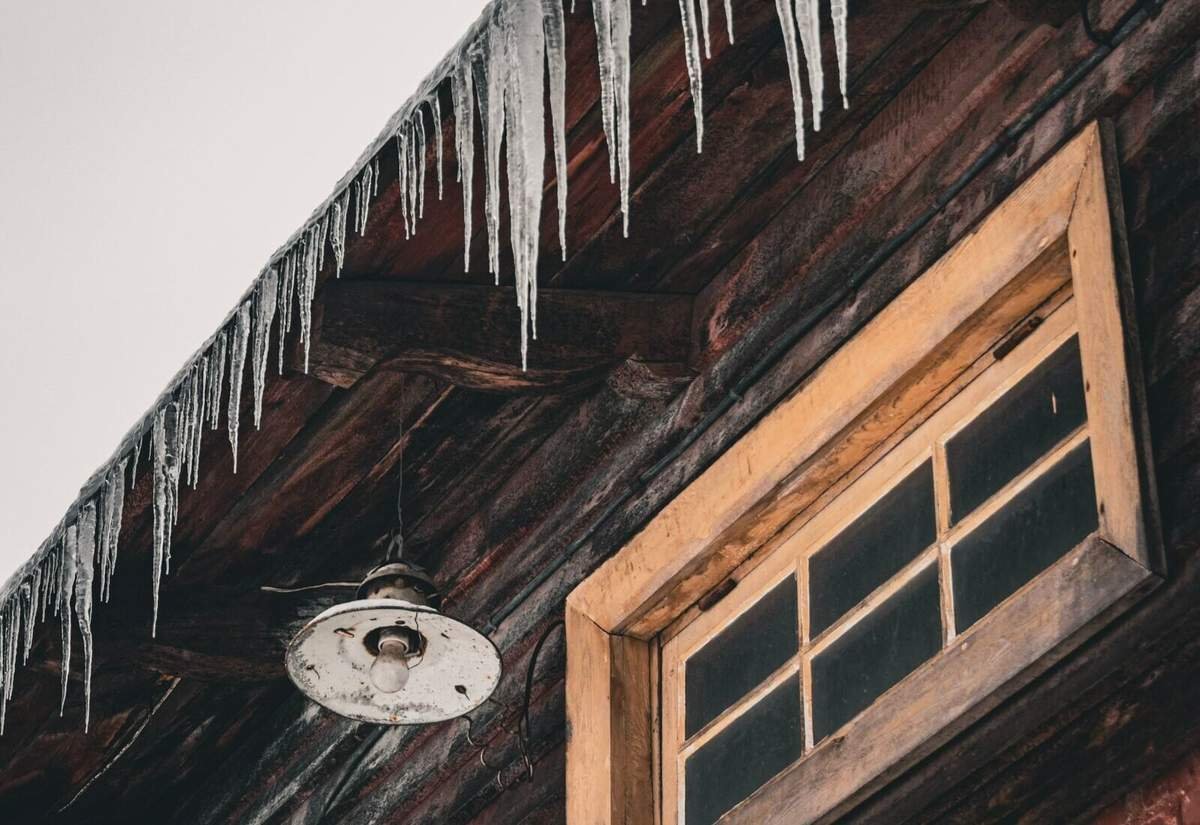
An ice dam is a ridge of ice at the roof edge that forms when heat escaping into an under-insulated attic melts a Grand Rapids roof’s snowpack; the meltwater runs to the cold eave and refreezes there, backing up under the shingles despite Michigan’s ice-and-water barrier requirement at the eaves (Michigan Residential Code R905.1.2). Homeowners across Kent County are matched with a licensed, insured local roofer for safe steam removal and an attic-side fix.
Why Grand Rapids roofs are built for ice dams
The trigger is attic heat, not the weather alone. Warm air leaking into an under-insulated or under-ventilated attic melts the snow touching the roof deck. That meltwater travels down to the eave — the one part of the roof that stays below freezing because it overhangs unheated space — and refreezes there. Layer after layer, the ridge grows, and each thaw sends more water up behind it.
Because West Michigan holds a standing snowpack for weeks, this cycle repeats far longer here than in markets that see snow melt off within a day or two. That is why an ice dam in Grand Rapids is usually a warm-attic problem wearing a winter-weather costume — and why the correct fix pairs safe removal with an attic-side diagnosis of insulation, air-sealing, and ventilation. The trapped water often shows up first as staining in the attic, walls, or upper-floor ceilings, well before the shingle surface itself looks damaged.
Three Grand Rapids realities that change the ice-dam picture
Not generic winter advice — the specific climate, housing-age, and code facts that shape ice dam risk here.
Lake-effect snow reaches the metro
Grand Rapids sits downwind of Lake Michigan. As the lake freezes later each winter, lake-effect bands push farther inland — so the metro ring from Walker and Comstock Park to Grandville and Byron Township is squarely in the modern snow footprint, not spared from it.
Older attics were never built for this
Near-downtown neighborhoods like Heritage Hill are dominated by pre-1940 homes — roughly 82% built in 1939 or earlier — with steep, complex historic rooflines and attics that predate modern insulation and ventilation standards. Retrofitting airtightness into those roofs is the standing ice-dam challenge in the historic core.
Michigan code expects ice at the eaves
Michigan’s residential code (R905.1.2) requires an ice-and-water barrier at the eaves of every new roof — from the edge to at least 24″ inside the exterior wall line — on every roof in the state. Many older Grand Rapids roofs predate that requirement and have no such membrane protecting the eave at all.
The Grand Rapids sequence homeowners keep describing
Across Wyoming, Kentwood, and older Grand Rapids neighborhoods, a recurring pattern shows up after heavy lake-effect snow followed by a brief thaw: water staining on upper-floor ceilings, most often along the eave side of the house, even when the shingles look intact from the ground. This is consistent with ice dam formation — attic heat melting the underside of the snowpack, then refreezing at the cold eave edge.
The post-war ranch and split-level homes common in Wyoming and Kentwood are a good example: long, low-slope eaves give a dam a wide shelf to build on, and split-level roof intersections concentrate melt where a lower roof meets an upper wall. Newer, larger custom homes in Ada, Cascade, and the Forest Hills area face a different version of the same problem — complex, multi-plane rooflines create more valleys where snow and ice collect.
The diagnostic takeaway is the same everywhere in West Michigan: repeated cosmetic ceiling repairs alone do not fix an ice dam. The correct next steps are safe professional removal and an attic-side look at insulation, air-sealing, and ventilation.
Signs it’s an ice dam, not ordinary roof wear
- Ceiling or wall stains that appear during or right after a winter thaw, then pause when it refreezes.
- Icicles and a thick ice ridge along the eaves and gutters.
- Staining on upper-floor ceilings while lower floors stay dry.
- Shingles that look undamaged from the street despite the interior leak.
Safe professional removal vs. the DIY danger
Ice dams sit at the roof edge, above ladders and walkways, on a slick surface — the most hazardous spot on the house. How they’re removed matters as much as that they’re removed.
Why DIY goes wrong here
- Chipping with hammers or axes gouges shingles and the eave, turning a water problem into a roof-replacement problem.
- Ladders on ice in Grand Rapids winters are a leading cause of serious falls.
- Salt and generic ice-melt can stain, corrode gutters and flashing, and damage landscaping below.
- Clearing the ice without fixing the warm attic means it comes right back at the next thaw.
What a licensed roofer does
- Low-pressure steam melts the dam without damaging shingles — the industry-standard method.
- Clears channels so trapped meltwater drains before it backs up further.
- Inspects the eaves, valleys, and flashing for existing ice-barrier coverage and damage.
- Recommends the attic-side fixes — insulation, air-sealing, ventilation — that stop it recurring.
How ice dam removal works, step by step
Call now and describe the problem
Tell us where you are in the Grand Rapids area and what you’re seeing — ice at the eaves, ceiling stains, active dripping. We match you with a licensed local roofer.
On-site assessment
The roofer confirms it’s an ice dam, checks for active water intrusion, and identifies the eaves, valleys, and roof-to-wall areas where ice has built up.
Safe steam removal
Low-pressure steam melts the dam and clears drainage channels without gouging shingles — relieving the backup that’s driving water inside.
Attic-side diagnosis
Because the root cause is heat loss, the roofer looks at insulation, air-sealing, and ventilation so the dam doesn’t simply reform at the next thaw.
Prevention plan for next winter
You get clear guidance on eave ice-barrier coverage, ventilation improvements, and — where it makes sense — a longer-term roof or attic plan.
Preventing the next Grand Rapids ice dam
Removing a dam solves today’s leak. Keeping it from returning is an attic-and-eave project, and fall — before the December snowpack sets in — is the right time to do it.
Seal and insulate the attic floor
Air-sealing ceiling penetrations and topping up insulation keeps attic air cold, so the snowpack above never melts from below.
Ventilate soffit-to-ridge
Balanced intake and exhaust ventilation flushes out any heat that does escape, keeping the whole roof deck at outdoor temperature.
Confirm eave ice-barrier coverage
If your roof predates Michigan’s ice-barrier code, adding an ice-and-water membrane at the eaves during your next roof project is the durable fix.
What a Grand Rapids winter actually puts on your roof
Ice dams need a persistent snowpack and a cold eave. Grand Rapids delivers both, and the mid-winter totals have been trending up, not down.
Average annual snowfall at Gerald R. Ford International Airport (NOAA climate normals, 1991–2020).
Falls in Dec (20.8″), Jan (22.6″) and Feb (17.2″) — the exact ice-dam window.
Per year with 10″+ of snow on the ground — the standing pack that feeds dams.
Jan–Feb snowfall increase vs. a generation ago as lake-effect bands push inland.
Sources: NOAA/NCEI Climate Normals for the Gerald R. Ford International Airport station; Michigan Residential Code R905.1.2 (ice barrier) as published by the City of Grand Rapids; NeighborhoodScout housing-age data for the Heritage Hill historic district.
Questions West Michigan homeowners ask
How fast can someone remove an ice dam in Grand Rapids?+
During peak Dec–Feb weeks, licensed roofers in the area prioritize homes with active water intrusion. Call now and we’ll match you quickly so removal can be scheduled — often same-day or next-day when a leak is actively running.
Will steam removal damage my shingles?+
No. Low-pressure steam is the industry-standard method precisely because it melts ice without the shingle and flashing damage caused by chipping, hammering, or hot water at high pressure. It’s the safe choice for the asphalt-shingle roofs common across Grand Rapids.
My shingles look fine — can I still have an ice dam leak?+
Yes, and it’s common. Ice dam water is forced up under intact shingles at the eave, so the roof surface can look undamaged from the street while water leaks into the attic and shows up as upper-floor ceiling stains. That’s a signature of an ice dam rather than ordinary shingle failure.
Why do my ice dams keep coming back every winter?+
Because the root cause is attic heat loss, not the ice itself. If insulation, air-sealing, and ventilation aren’t addressed, the snowpack keeps melting from below and the dam reforms at the next thaw. That’s why a good removal always pairs with an attic-side diagnosis.
Do I need a permit, and does insurance cover ice dam damage?+
The City of Grand Rapids requires a building permit for roof replacement work (a licensed roofer handles that). Interior water damage from ice dams is sometimes covered by homeowner’s policies, but coverage varies — document and date the damage, and confirm specifics with your own insurer. We connect you with a licensed roofer; we don’t make coverage determinations.
Ice dam removal across Grand Rapids & Kent County
We connect homeowners with licensed roofers throughout the Grand Rapids metro and surrounding West Michigan communities.
Ice dam removal by Grand Rapids neighborhood
Ice dams cluster where roof geometry and attic age line up — the dormers and low eaves of Heritage Hill and the West Side dam sooner than newer builds on the outer ring.
Related roofing help in Grand Rapids
Go deeper: ice dam guides for West Michigan
Cold-snap and snow-load guides
About this guide: Researched from NWS Grand Rapids records, Michigan Residential Code, and City of Grand Rapids permit rules by the Grand Rapids Roofing Pros research team. We are a homeowner-to-roofer matching service; we do not perform roofing work ourselves. Learn more About Us or see How We Vet Roofing Partners.
Get matched with a licensed Grand Rapids roofer
Call now and we’ll connect you with a licensed West Michigan roofer for ice dam removal and an attic-side diagnosis. No phone tag, no obligation.
Call now for a roofer
Independent dispatch service connecting homeowners with licensed local roofing professionals. We are not a roofing contractor.