DIY vs. Professional Ice Dam Removal in Grand Rapids
DIY ice dam removal is one of the more dangerous winter projects a Grand Rapids homeowner can attempt — a standing snowpack thick enough to feed an ice dam also makes a pitched roof genuinely hazardous to climb. Before you grab a ladder and a chisel, it helps to understand what actually works, what makes it worse, and why the safest fix usually starts in the attic, not on the roof. Grand Rapids Roofing Pros is an independent dispatch service connecting homeowners with licensed local roofers for safe removal.
Call now for a licensed local roofer
Call now and we’ll connect you by phone with the licensed local roofer you’re matched with — no phone tag, no obligation.
Ready to talk to someone about your roof?
Call to reach the licensed local roofer you’re matched with in Grand Rapids & West Michigan.
Call (901) 704-8932When you call, stay on the line for a few seconds while we match you with the licensed local roofer for your area. Have your address and a quick description of the problem ready.
We connect homeowners with independent licensed roofing professionals in the Grand Rapids area. We are not a licensed contractor and do not perform roofing work ourselves.
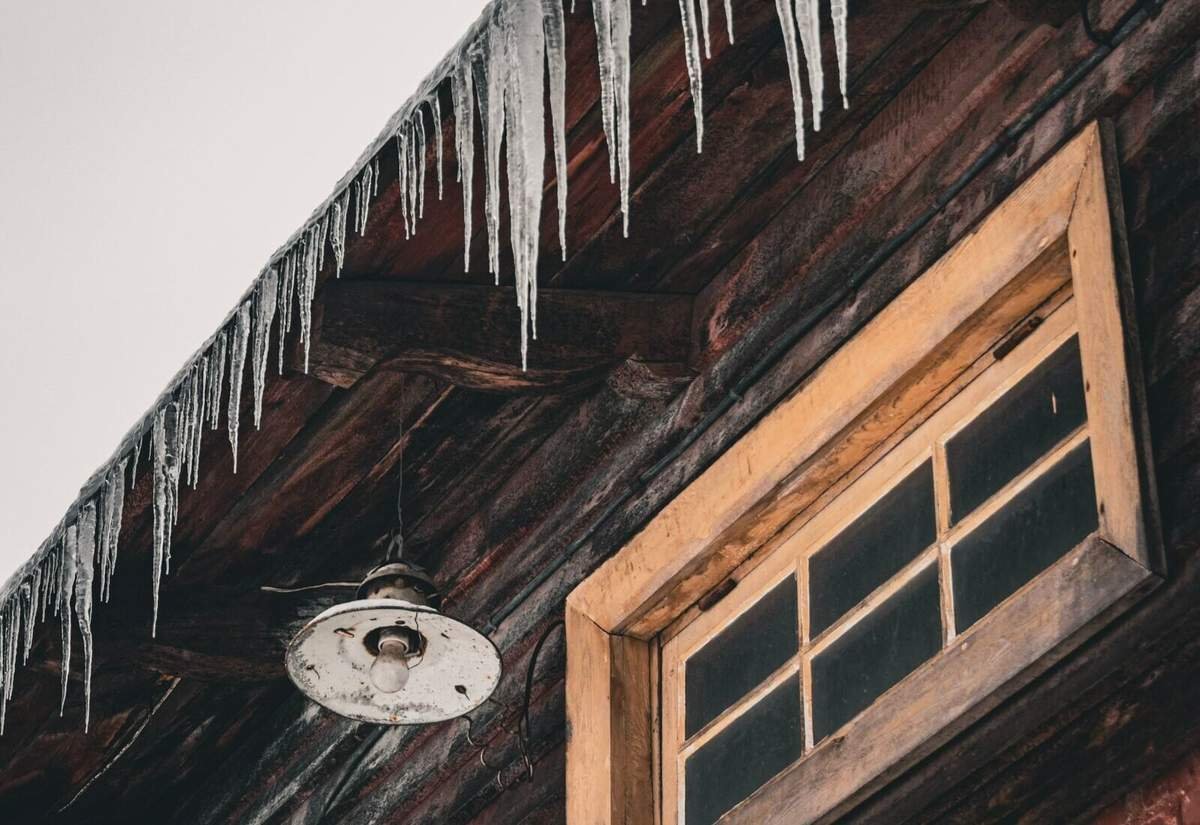
Quick answer: is DIY ice dam removal safe?
Quick answer: Generally, no. Climbing onto an ice- and snow-covered Grand Rapids roof carries real fall risk, and common DIY tools like hammers, chisels, and ice picks can crack shingles that are already brittle from the cold. A roof rake is lower-risk but only clears loose snow before it compacts; it can’t remove a dam that has already formed or fix the attic heat loss causing it. A licensed local roofer typically uses low-pressure steam to clear the dam without damaging the roof.
Grand Rapids roofs carry weeks of standing snowpack
Grand Rapids averages 28.7 days a year with 5 inches or more of snow depth on the ground, and 8.3 days with 10 inches or more, concentrated in January and February, per NOAA climate data. That’s not a single storm — it’s a multi-week standing pack sitting on a pitched, often ice-glazed roof surface, which is exactly the condition that makes rooftop work hazardous for anyone without fall-protection training and equipment.
The ice dam itself forms because heat leaking into an under-insulated attic melts the underside of that pack; the meltwater refreezes at the cold eave overhang. Chipping at the resulting ice ridge from a ladder doesn’t change the attic conditions that will just rebuild it, and DIY chemical de-icers such as calcium chloride can also do damage if applied incorrectly, corroding gutters and metal flashing the same way rock salt does.
The most common DIY mistakes
- Climbing onto an ice-glazed roof without fall protection
- Using a hammer, chisel, or ice pick directly on the shingle surface
- Overloading a roof rake and pulling on ice that’s bonded to the shingles
- Applying rock salt (not calcium chloride) in ways that can corrode gutters and metal flashing
DIY removal vs. professional removal
One of these addresses the ice you can see. The other can also address the attic conditions that made it.
DIY Removal
Ladder, roof rake, and hand tools
- A roof rake used from the ground can clear loose snow before it compacts
- No cost to try on light, fresh snow before a dam has formed
- Real fall risk on an ice-glazed, pitched roof
- Hand tools can crack cold-brittle shingles or gouge the ice-and-water membrane
- Doesn’t diagnose or fix the attic heat loss causing the dam
- An already-formed dam is usually too bonded to the roof to remove safely by hand
Professional Removal
Low-pressure steam plus attic-side diagnosis
- Steam methods melt the dam without gouging shingles or membrane
- Proper fall-protection equipment and roof-access training
- Can pair removal with an attic inspection to identify the actual cause
- Requires scheduling, especially during a busy winter storm stretch
- Not something you can start the moment you notice icicles forming
Ask yourself these questions first
- Is the roof pitch steep enough that a slip means a real fall? Most residential roofs qualify. If you wouldn’t walk it dry in summer, don’t walk it icy in winter.
- Has the dam already formed, or is this loose snow? A roof rake can help with loose snow from the ground. An actual ice ridge bonded to the shingles is a different, harder problem.
- Do you have real fall protection, not just “being careful”? A harness and anchor point matter more than confidence on an icy roof.
- Are you prepared to also address the attic? Removing the visible ice without correcting the heat loss means the dam is likely to rebuild.
Ground-level snow removal with a roof rake, done carefully before a dam forms, is a reasonable DIY step. Once an ice dam has actually formed, professional removal is the safer call — both for your physical safety on the roof and for the shingles and membrane underneath the ice.
Questions Grand Rapids homeowners ask
Is it safe to climb onto my roof to remove an ice dam?+
Generally not without proper fall protection. A roof covered in snow and refrozen meltwater is significantly more hazardous than a dry roof, and residential roof pitches rarely offer safe footing once ice-glazed.
Can I use rock salt to melt an ice dam?+
Rock salt (sodium chloride) can corrode metal gutters, flashing, and fasteners, and runoff can damage plants below. Calcium chloride is generally considered gentler, but any salt product only addresses the visible ice, not the attic heat loss causing it.
Will a roof rake remove an ice dam that’s already formed?+
A roof rake mainly removes loose snow before it compacts and refreezes. Once an ice dam has actually bonded to the shingles, it typically needs a method like low-pressure steam to remove safely without damaging the roof surface.
Why does the ice dam keep coming back after I remove it?+
Because removing the visible ice doesn’t change the warm-attic heat loss that created it. Unless the insulation, air-sealing, or ventilation issue is corrected, the same conditions will likely rebuild the dam during the next cold stretch.
What does professional ice dam removal actually involve?+
Typically a low-pressure steam method that melts channels through the ice without prying at the shingles, often paired with a look at attic insulation and ventilation to identify the root cause. See our process walkthrough for detail.
Understand the mechanism, then get matched
Ice dam removal across Grand Rapids
Skip the ladder — get matched with a licensed roofer
Call now and a licensed West Michigan roofer will handle safe removal and check the attic-side cause. No phone tag, no obligation.
Call now for a roofer
Independent dispatch service connecting homeowners with licensed local roofing professionals. We are not a roofing contractor.