Roofing in Grandville, MI
Last updated: August 2026
Grandville roofing reflects a city that built out mostly in the second half of the 20th century: the median Grandville home dates to 1977, and roughly a third of the housing stock went up between 1970 and 1999, layered over an older 1940–1969 tier — a different mix than Grand Rapids’ pre-1940s core. Call now to get matched.
Ready to talk to someone about your roof?
Call to reach the licensed local roofer you’re matched with in Grand Rapids & West Michigan.
Call (901) 704-8932When you call, stay on the line for a few seconds while we match you with the licensed local roofer for your area. Have your address and a quick description of the problem ready.
Call now for a licensed local roofer
Call now and we’ll connect you by phone with the licensed local roofer you’re matched with — no phone tag, no obligation.
📞 Call Now — (901) 704-8932We connect homeowners with independent licensed roofing professionals in the Grand Rapids area. We are not a licensed contractor and do not perform roofing work ourselves.
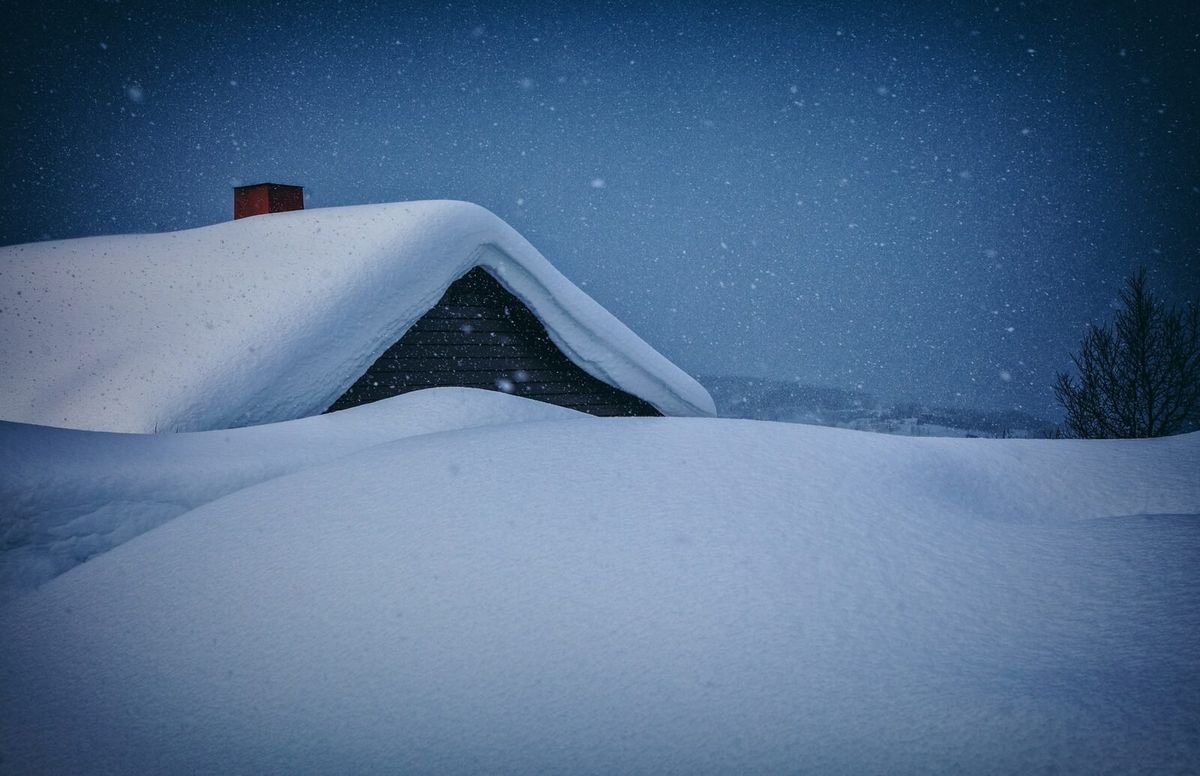
How old is the average Grandville, MI roof, and why does that matter?
Grandville’s median home was built in 1977, with much of the housing stock from 1970 to 1999, sitting inside the same inland lake-effect snow band that affects Kent County’s southwestern suburbs. That age range means many original roofs have already been replaced, often before Michigan’s eave ice-barrier requirement was consistently enforced. Grand Rapids Roofing Pros connects Grandville homeowners with licensed local roofers who check for that detail, rather than performing roofing work directly.
A 1970s–’90s development wave
Grandville grew fastest after the early-1980s recession, when accelerated residential development brought new subdivisions along the corridors around Chicago Drive and Wilson Avenue. That wave of construction is the backbone of the city’s current housing stock.
Because Grandville sits within the documented inland lake-effect snow band alongside neighboring Byron Township, distance from Lake Michigan doesn’t reduce ice-dam exposure the way many homeowners assume.
The practical roofing question isn’t the home’s original build year — it’s when the roof itself was last permitted and reroofed, and whether that reroof included the full eave ice-and-water membrane the Michigan code requires today.
Signs your Grandville roof needs a local-savvy look
- The roof hasn’t been replaced or checked since the home was originally built.
- You’re not sure whether the last reroof included the eave ice-barrier membrane.
- An ice ridge builds along the eave every winter despite the home being “not that old.”
- You assumed being inland from Lake Michigan meant lower ice-dam risk.
Why a Grandville-specific roof approach matters
Three things a roofer needs to know about Grandville’s housing stock before recommending a fix.
A 1970s median build year
Grandville’s typical home dates to 1977, with a third of the stock from 1970–1999 — a distinctly newer profile than the pre-1940s core near downtown Grand Rapids.
“Newer” doesn’t mean code-current
A home built in the ’70s or ’80s may have been reroofed before the modern eave ice-barrier requirement was consistently enforced, so the roof itself can still be missing it.
Grandville sits in the inland snow band
Along with neighboring Byron Township, Grandville is inside the documented inland lake-effect footprint — not spared by its distance from Lake Michigan.
Roofing services for Grandville homeowners
Whatever your roof needs, we connect you with a licensed local roofer who knows Grandville’s housing stock.
Roof Replacement
A code-compliant re-roof on a 1970s–’90s Grandville home adds the full-eave ice-and-water membrane many pre-code roofs never had.
Explore replacementRoof Repair
Ceiling stains on a Grandville roof get diagnosed at the eaves and attic before assuming it’s just a shingle problem.
Explore repairStorm & Hail Damage
Wind and hail from summer storms get documented and matched to a licensed roofer — no coverage outcome promised.
Explore storm damageIce Dam Removal
Safe steam removal plus an attic-side diagnosis — because Grandville is inside the modern inland lake-effect band, not outside it.
See the flagship guideRoof Inspection
A fall, attic-inclusive check that confirms whether the eave ice-barrier detail is present, regardless of build year.
Explore inspectionNot sure what you need?
Describe what you’re seeing and call now. We’ll route you to a licensed roofer who works Grandville roofs.
Get matched nowGrandville-specific service guides
Three in-depth guides built around Grandville’s own housing stock, permit route and storm record.
Ice Dam Removal in Grandville, MI
Two housing generations that dam for two different reasons, and how a roofer tells them apart.
Read the Grandville guideRoof Replacement in Grandville, MI
Layer count on the 1950s core, condition on the 1980s wave, and the third-party permit route.
Read the Grandville guideStorm Damage Roof Repair in Grandville, MI
The August 2016 straight-line winds surveyed near M-6, and how to document a claim.
Read the Grandville guideWhat Grandville’s housing stock and West Michigan winters put on a roof
NeighborhoodScout data on Grandville’s residential construction — the backbone of the city’s current housing stock.
Roughly a third of Grandville’s homes were built in this window, layered over an older 1940–1969 tier.
NOAA/NCEI climate normals (1991–2020) at Gerald R. Ford International Airport — the base that feeds ice-dam risk metro-wide.
Michigan Residential Code R905.1.2 minimum ice-barrier run inside the exterior wall line on a permitted re-roof.
Sources: NeighborhoodScout — Grandville South & Southwest, MI neighborhood profiles; NOAA/NCEI Climate Normals (Gerald R. Ford International Airport, 1991–2020); Michigan Residential Code R905.1.2; WZZM 13 — “Shifting snow” (inland lake-effect trend).
Neighborhoods & landmarks we cover
We connect homeowners across Grandville with licensed local roofers, from historic Chicago Drive to RiverTown Crossings.
Nearby areas we also serve
Questions Grandville homeowners ask
How old is the typical Grandville home, and does it matter for the roof?+
The median Grandville home was built in 1977, with a large share of the housing stock from 1970 to 1999. That’s old enough that most original roofs have been replaced at least once — the question is whether that reroof included the modern code-required eave ice barrier.
Is Grandville far enough from Lake Michigan to avoid ice-dam risk?+
No. Grandville sits within the documented inland lake-effect snow band along with neighboring Byron Township. As lake-effect bands push farther inland, distance from the immediate shoreline doesn’t reduce exposure the way it once did.
My home was built in the 1980s. Does it already have the eave ice barrier?+
Not necessarily. The eave ice-and-water membrane depends on when the roof was last permitted and reroofed, not the home’s original construction year. A licensed roofer can check the eave and valley detail directly.
What’s near RiverTown Crossings that we cover in Grandville?+
We connect homeowners across Grandville with licensed local roofers, including the neighborhoods around RiverTown Crossings, the historic Chicago Drive village area, Wilson Avenue, and out toward the Byron Township border.
Do you install or repair roofs directly in Grandville?+
No. Grand Rapids Roofing Pros is an independent dispatch service. We connect Grandville homeowners with licensed, independent local roofing professionals; we do not perform roofing work ourselves.
About this guide: Researched from NWS Grand Rapids records, Michigan Residential Code, and City of Grand Rapids permit rules by the Grand Rapids Roofing Pros research team. We are a homeowner-to-roofer matching service; we do not perform roofing work ourselves. Learn more About Us or see How We Vet Roofing Partners.
Get matched with a licensed local roofer
Call now and we’ll connect you with a licensed West Michigan roofer who knows Grandville’s 1970s–’90s housing stock. No phone tag, no obligation.
Call now for a roofer
Independent dispatch service connecting homeowners with licensed local roofing professionals. We are not a roofing contractor.