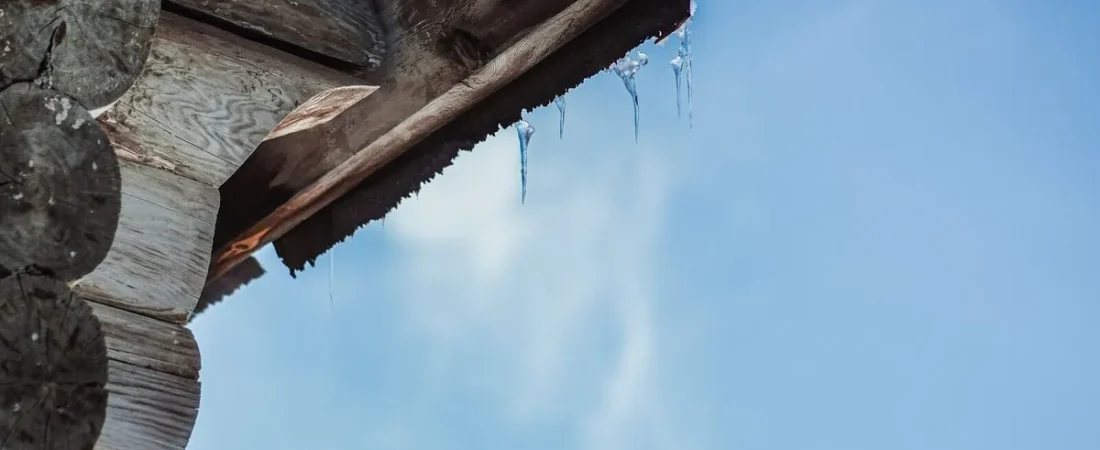
A structurally sound, code-era Grand Rapids roof is designed for a normal lake-effect winter with margin to spare. The risk is weight, not depth: fresh powder is light, but the wet, layered, refrozen snowpack common near Lake Michigan can weigh several times more per inch. Watch for sagging, sticking doors, and cracking during heavy-load stretches, and clear deep or drifted packs from the ground with a roof rake rather than climbing.
Ready to talk to someone about your roof?
Call to reach the licensed local roofer you’re matched with in Grand Rapids & West Michigan.
Call (901) 704-8932When you call, stay on the line for a few seconds while we match you with the licensed local roofer for your area. Have your address and a quick description of the problem ready.
Watch a Grand Rapids roof carry two feet of February snow and the question asks itself: how much can it actually hold? The reassuring answer is that a structurally sound, code-era roof is designed for a normal West Michigan winter with margin to spare. The useful answer is that weight, not depth, is what matters — and lake-effect snow is unusually good at hiding weight.
How Much Does Snow Actually Weigh?
Snow density varies enormously. Fresh, cold, fluffy lake-effect powder can weigh only a few pounds per cubic foot, while wet spring-storm snow can run three to five times heavier, and solid ice heavier still — the density range documented in the U.S. Army Corps of Engineers’ research on snow and ice loads on roofs. A foot of March slop can out-weigh three feet of January powder sitting on the same shingles.
Layering compounds it. A typical Grand Rapids snowpack is not one snowfall — it is weeks of accumulation, partially melted, refrozen, and topped with new snow. Those dense, icy middle layers are where the real weight lives, which is why a roof that shrugged off December can feel a late-February pack very differently.
What Are Roofs Around Grand Rapids Designed to Hold?
Homes built or re-roofed under Michigan’s residential code are engineered for the ground snow load mapped for this part of the state — a design basis that comfortably covers a typical winter’s accumulation for the area, which the National Weather Service in Grand Rapids tracks at roughly 77 inches of seasonal snowfall in an average year. The caveats are the structures that predate or sit outside that design work:
- Older homes with modified framing — rafters cut for ductwork, undersized additions, or century-old lumber with previous water damage.
- Porch roofs, carports, and awnings — often built lighter than the main roof and first to complain.
- Low-slope and flat sections — snow does not shed, and drifting can pile one section far deeper than the rest of the roof; our flat roof repair guide covers why these sections deserve their own attention.
- Drift zones — where a taller wall or dormer drops wind-blown snow onto one concentrated strip.
What Are the Warning Signs a Roof Is Overloaded?
Structure talks before it fails. Take seriously: new sagging visible along the ridge or in the field of the roof, interior doors that suddenly stick or will not latch, new drywall cracks radiating from door and window corners, creaking or popping sounds from the attic during or after a storm, and a visible dip in a porch or flat section. Any of these during a heavy-snow stretch is a reason to get weight off the roof and eyes on the framing promptly.
When Is It Worth Clearing Snow Off the Roof?
Most winters, most Grand Rapids roofs never need clearing. The cases that do: a deep layered pack with dense ice lenses, heavy wet snowfall stacked on an existing pack, drifted sections, and light-framed porch or flat areas. Work from the ground with a roof rake on the lower few feet — the same safe-clearing approach covered in our roof snow removal guide — and leave full-roof clearing to equipped pros. Walking a snow-loaded roof adds your weight to the problem and is the most dangerous way to solve it.
Is Snow on the Roof Ever a Good Sign?
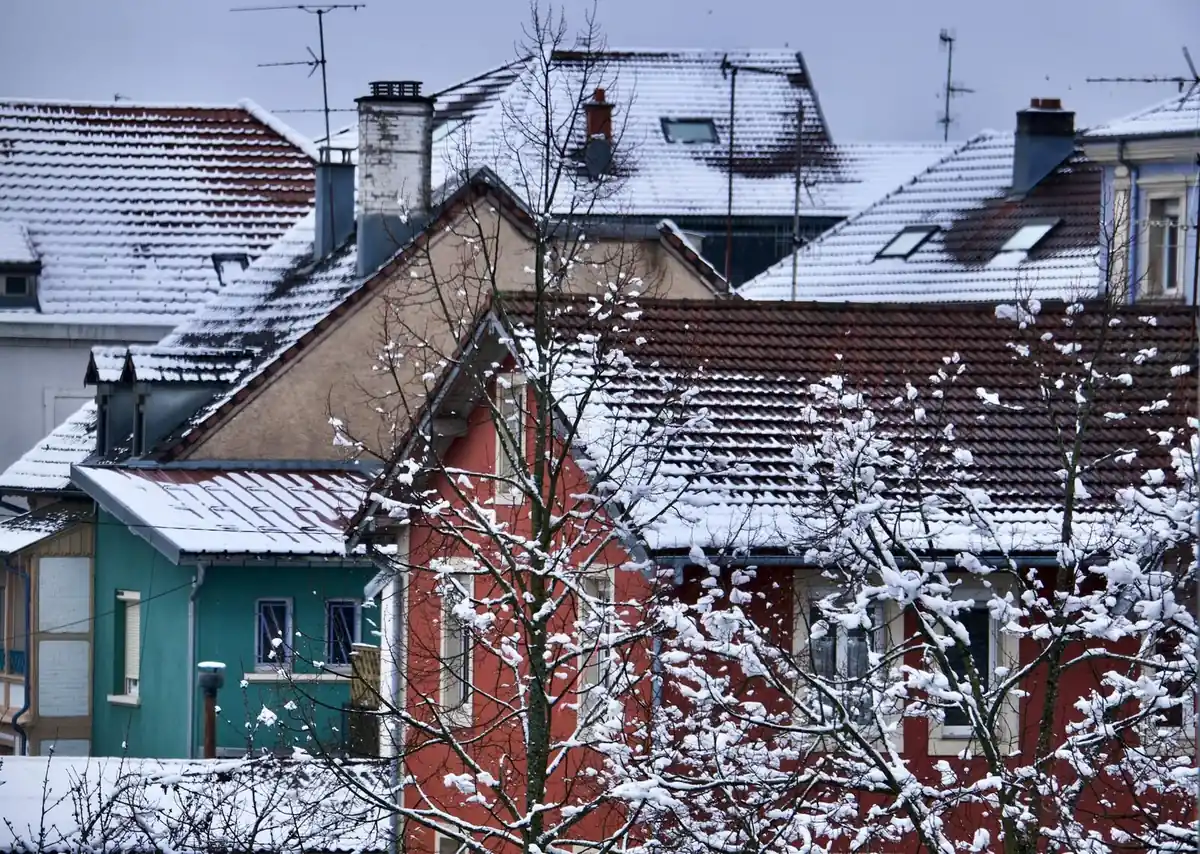
Counterintuitively, yes. An even, undisturbed blanket of snow across the whole roof is one of the cheapest attic diagnostics there is: it means the deck is staying uniformly cold, which is exactly what good insulation and air-sealing look like from the street. Patchy, streaky melt lines — bare stripes over rafters, a bald patch above the bathroom, a melted halo around a chimney chase — are a map of where heat is escaping, and those same escape paths are what feed ice dams at the eave. So before clearing snow, read it. A roof that holds its blanket evenly through a cold week is usually carrying its load fine and telling you the attic is doing its job; a roof that melts in patterns is volunteering the punch list for a fall air-sealing visit.
Does Ice Count Toward the Load?
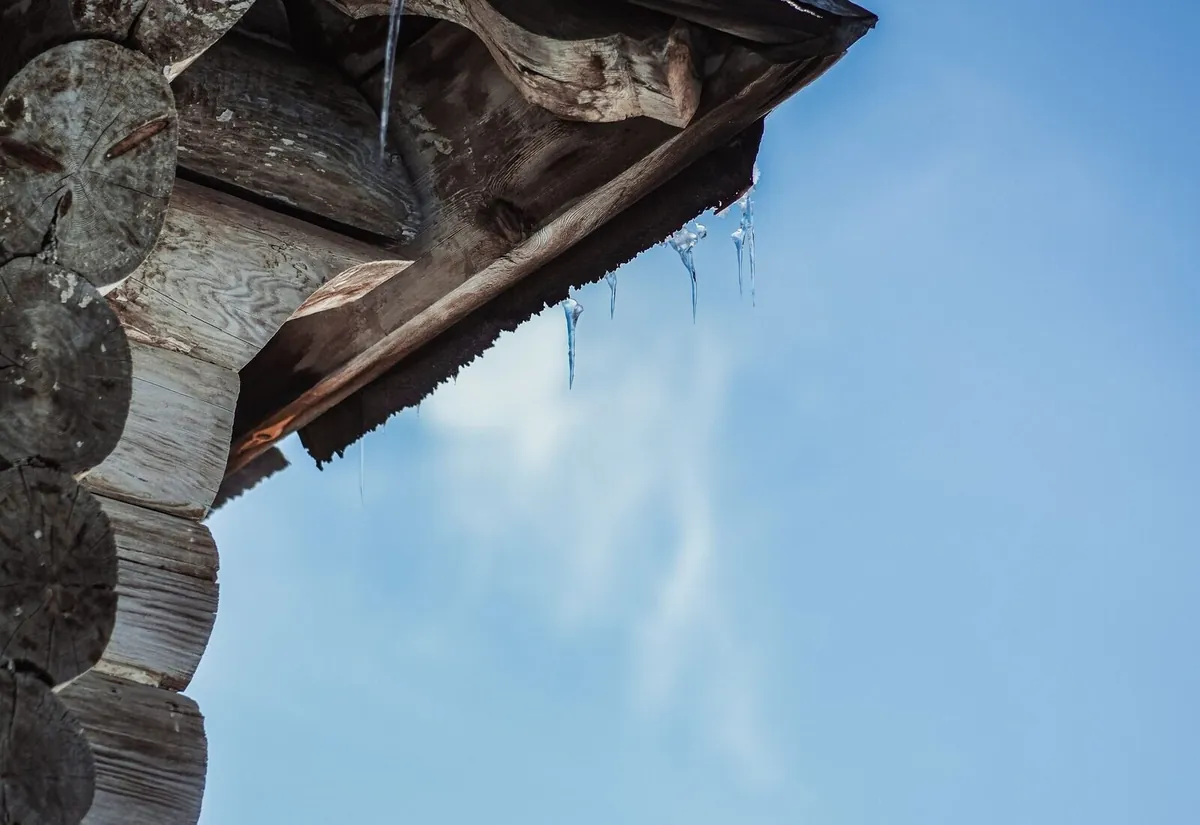
Very much so, and it concentrates where roofs are weakest. An ice dam is effectively a ridge of solid ice parked on the eave overhang — the cantilevered, coldest part of the structure — and it keeps growing as long as the melt-refreeze cycle feeds it, as our guide to how ice dams form in West Michigan explains. A winter pack that includes a mature ice dam is carrying meaningful hidden weight exactly where you cannot see it from inside.
Not sure how your roof is carrying this winter? Get matched with a licensed, insured local roofer for a Grand Rapids roof inspection — framing, deck, and eaves checked by someone qualified to say.
FAQ
How much snow is too much on a roof?
There is no single depth threshold because density matters more than depth. A code-era Grand Rapids roof handles a normal winter with margin, but a deep layered pack with refrozen ice lenses, heavy wet snow on top of an existing pack, or deep drifts on a porch or flat section are the combinations worth acting on.
Does raking snow off the roof actually help?
Yes, in two ways. Removing the lower few feet of snow takes weight off the eave overhang and removes the fuel an ice dam needs to grow. Ground-based raking of the roof edge is also the only snow clearing most homeowners should ever do themselves.
Are porch roofs and additions really at more risk?
Often, yes. They are commonly framed lighter than the main roof, sit at lower slopes that hold snow instead of shedding it, and catch drift and slide-off loads from the roof above them. A sagging porch roof during a heavy-snow stretch deserves prompt attention.
Should I worry after one big wet snowstorm?
One heavy storm on a bare, sound roof is usually within design margins. The riskier scenario is wet snow landing on weeks of existing layered pack. After a major storm, check for sticking doors, new cracks, and visible sag, and get the load cleared if any appear.
Grand Rapids Roofing Pros is a free referral and matching service. We are not a licensed roofing contractor and do not perform roofing work ourselves. All work is performed by independent, licensed and insured local roofing contractors. This article is general educational information, not an engineering or code determination for any specific roof.