Roof Snow Removal in Grand Rapids, MI
Roof snow removal in Grand Rapids is a proactive service: pulling accumulated snow off a roof plane before repeated melt-and-refreeze cycles can turn it into an ice dam at the eaves. Grand Rapids Roofing Pros is an independent dispatch service connecting West Michigan homeowners with licensed local roofers for roof snow removal.
Call now for a licensed local roofer
Call now and we’ll connect you by phone with the licensed local roofer you’re matched with — no phone tag, no obligation.
Ready to talk to someone about your roof?
Call to reach the licensed local roofer you’re matched with in Grand Rapids & West Michigan.
Call (901) 704-8932When you call, stay on the line for a few seconds while we match you with the licensed local roofer for your area. Have your address and a quick description of the problem ready.
We connect homeowners with independent licensed roofing professionals in the Grand Rapids area. We are not a licensed contractor and do not perform roofing work ourselves.
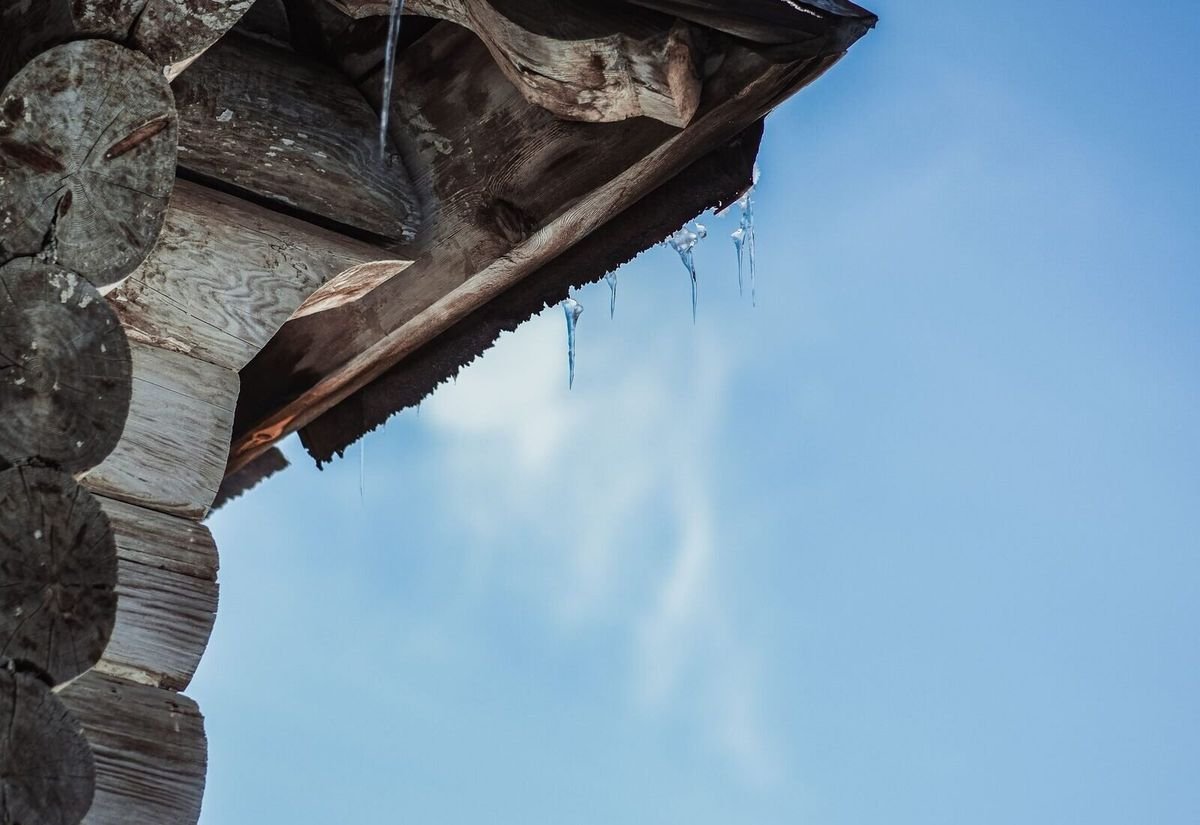
Quick answer: what is roof snow removal, and do you need it?
Quick answer: Roof snow removal means physically clearing accumulated snow off a roof plane before it melts against a warm roof deck and refreezes into an ice dam at the cold eave. It is a prevention step, not a repair. Grand Rapids roofs hold a 5-inch-plus snowpack for an average of 28.7 days a year (NOAA/NCEI), long enough for that melt-refreeze cycle to run more than once a winter. We can match you with a licensed local roofer for removal or an inspection.
Why snow sitting on a roof is the real risk, not the storm itself
It’s tempting to think of a snowstorm as the risk event and the day after as the recovery period. In Grand Rapids’ climate, the bigger risk is what happens during the weeks the snow sits there afterward. A standing snowpack over an under-ventilated attic keeps melting from the bottom up, day after day, sending water down to the cold eave overhang where it refreezes into a thickening ice ridge — the same warm-attic mechanism documented by MSU Extension’s guidance on preventing ice dams. The longer the pack sits, the more melt-refreeze cycles run, and the taller that ridge gets.
NOAA/NCEI climate-normal data compiled for the Gerald R. Ford Airport station shows Grand Rapids holds a 5-inch-plus pack for an average of 28.7 days a year, concentrated in the December–February window — not a one-off, but a season-long condition. Roof snow removal interrupts that cycle early: less standing snow means less material available to melt and refreeze at the eave.
What snow removal doesn’t fix
- It doesn’t address an attic that’s already warm and poorly ventilated — the root cause behind most Grand Rapids ice dams.
- It won’t remove ice that has already formed and bonded to the shingles — that’s a separate, more careful process.
- It isn’t a substitute for the code-required eave ice barrier on an older roof that may not have one.
Grand Rapids’ standing-snowpack season, in numbers
NOAA/NCEI climate normals for the Gerald R. Ford Airport station — the load a roof carries each winter.
A standing pack this persistent is exactly what makes proactive removal worth considering here.
Heavier accumulation events, the clearest trigger for calling a roofer rather than waiting.
Roughly 60″+ of the annual snowfall total lands in these three months.
Sources: Current Results (NOAA/NCEI climate normals, GRR station); mechanism per MSU Extension.
When roof snow removal is worth calling for
After back-to-back snow events
Multiple storms stacking up without a thaw between them build the kind of deep, long-sitting pack that gives melt-refreeze cycling the most time to work.
On complex, valley-heavy rooflines
Roofs with more valleys and roof-to-wall intersections concentrate snow in specific spots, raising local load and ice-dam exposure faster than a simple gable roof.
If your roof has a history of ice dams
A preventive removal timed ahead of a forecasted thaw can reduce the standing material available to melt and refreeze at the eave that season.
Questions Grand Rapids homeowners ask
Is roof snow removal the same as ice dam removal?+
No. Snow removal clears accumulated snow before it becomes ice; ice dam removal addresses ice that has already formed at the eaves. They’re related but separate services.
How much snow before it’s worth having removed?+
There’s no single trigger amount, but homes that reach a foot or more of accumulated snow, especially after back-to-back storms without a thaw, are the clearest candidates. Grand Rapids averages 8.3 days a year with 10 inches or more on the roof.
Can I remove roof snow myself with a roof rake?+
A roof rake used from the ground on a single-story eave can be reasonable for light snow, but climbing onto a roof or using a ladder in icy conditions carries real fall risk. A licensed roofer has the training and equipment for anything beyond ground-level raking.
Does removing snow prevent ice dams for the whole winter?+
It reduces the standing snow load at the time of removal, but Grand Rapids’ snow season continues through February, so it’s a repeatable step, not a one-time fix. Attic insulation and ventilation address the underlying cause.
Will removing snow damage my shingles?+
Improper technique, like metal shovels or aggressive scraping, can damage shingles. Licensed roofers use methods and tools suited to the roofing material to avoid that.
Roof snow removal across Grand Rapids & Kent County
We connect homeowners with licensed roofers throughout the Grand Rapids metro and surrounding West Michigan communities.
Related guides
Snow-load and post-storm guides
Get matched with a licensed Grand Rapids roofer
Call now and we’ll connect you with a licensed West Michigan roofer for roof snow removal. No phone tag, no obligation.
Call now for a roofer
Independent dispatch service connecting homeowners with licensed local roofing professionals. We are not a roofing contractor.