How Roof Geometry Affects Ice Dams in Grand Rapids
Roof design and ice dams are more connected than most homeowners realize: the same warm-attic mechanism plays out very differently on a simple ranch roofline than it does on a steep, multi-plane custom roof with valleys and dormers. Across Grand Rapids, geometry — not just climate — is a genuine risk variable that shifts by neighborhood and housing era. Grand Rapids Roofing Pros is an independent dispatch service connecting West Michigan homeowners with licensed local roofers who evaluate roof geometry as part of ice-dam prevention.
Call now for a licensed local roofer
Call now and we’ll connect you by phone with the licensed local roofer you’re matched with — no phone tag, no obligation.
Ready to talk to someone about your roof?
Call to reach the licensed local roofer you’re matched with in Grand Rapids & West Michigan.
Call (901) 704-8932When you call, stay on the line for a few seconds while we match you with the licensed local roofer for your area. Have your address and a quick description of the problem ready.
We connect homeowners with independent licensed roofing professionals in the Grand Rapids area. We are not a licensed contractor and do not perform roofing work ourselves.
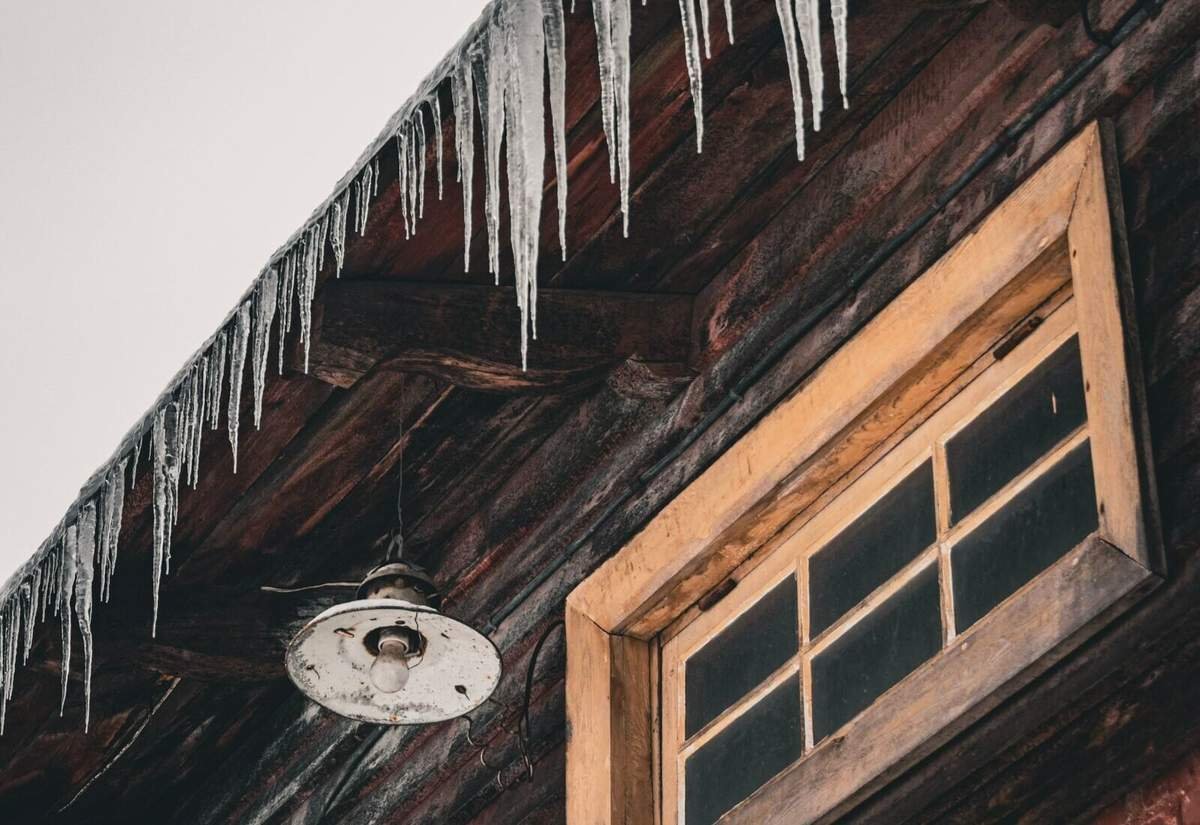
Quick answer: more roof planes means more places for snow and ice to concentrate
Ice dams form from the same warm-attic, melt-refreeze mechanism on every roof, but geometry decides where it concentrates. A simple gable roof spreads snowmelt along one continuous eave; a Grand Rapids roof with multiple valleys, dormers, and roof-to-wall intersections creates several separate collection points instead. Since Michigan code (R905.1.2) requires the ice barrier at every eave, more geometry means more code-critical eave length for a licensed local roofer to check.
Why are valleys and dormers higher risk?
A valley is where two roof planes meet at an internal angle — by design, it collects and channels more water and snow than a flat roof surface, because it’s draining two planes into one path instead of one. Dormers add roof-to-wall intersections where flashing has to manage a change in plane, and where upper roof runoff lands on a lower roof section, effectively doubling the load that section has to shed.
This is also where a licensed roofer’s valley and flashing repair work matters most: these are the highest-consequence spots on a complex roofline, both for ice-dam risk and for leak risk generally.
Does home age and style change roof-geometry risk?
Yes — and the two dominant profiles across the metro create different exposure patterns.
Newer custom-built, complex rooflines
- Ada, Cascade Township, and the Forest Hills area feature newer, larger custom homes on wooded acreage with multi-plane rooflines (developments like Ada Grove sit on 1+ acre wooded lots).
- Many valleys, dormers, and roof-to-wall intersections mean more places where snow concentrates and upper planes shed onto lower ones.
- Modern construction quality doesn’t eliminate this — it’s a geometry issue, not a build-quality issue.
Post-war ranch & split-level belt
- Wyoming and Kentwood’s 1950s–70s ranch and split-level housing has fewer valleys, but long, low-slope eaves give ice dams a wide, shallow shelf to build on instead.
- Split-level roofs add plane-to-plane intersections at the step where a lower roof meets an upper wall, concentrating melt-refreeze there specifically.
- Different geometry, same underlying warm-attic mechanism — see our steep- vs. low-slope roofing guide for the slope-specific comparison.
Questions Grand Rapids homeowners ask
How does roof geometry affect ice dam formation?+
The warm-attic, melt-refreeze mechanism behind ice dams is the same on every roof, but geometry decides where it concentrates. Roofs with more valleys, dormers, and plane intersections create more separate collection points than a simple gable roofline with one continuous eave.
Why are valleys and dormers higher risk for ice dams?+
A valley channels water and snow from two roof planes into a single path, concentrating more load than a flat roof surface. Dormers create roof-to-wall intersections where upper-roof runoff lands on a lower roof section, effectively doubling what that section has to shed.
Do newer, custom-built Grand Rapids homes have more ice dam risk?+
They can, from a pure geometry standpoint. Newer custom homes in areas like Ada, Cascade Township, and Forest Hills often feature complex, multi-plane rooflines with more valleys and dormers than a simpler older roofline, which creates more potential ice-dam locations regardless of build quality.
What about simple ranch rooflines — are they lower risk?+
Ranch and split-level homes in areas like Wyoming and Kentwood have fewer valleys, but their long, low-slope eaves give ice dams a wide, shallow shelf to build on instead — a different exposure pattern, not necessarily a lower-risk one.
Can roof geometry be changed to reduce ice-dam risk?+
The roofline itself typically isn’t changed during a standard re-roof, but ventilation, insulation, and eave ice-barrier detailing can all be tailored to a home’s specific geometry during replacement or repair.
Complex-roofline expertise across Grand Rapids & Kent County
We connect homeowners with licensed roofers experienced with valleys, dormers, and multi-plane roofs.
Continue the ice dam & materials series
Get matched with a licensed Grand Rapids roofer
Call now and we’ll connect you with a licensed local roofer to evaluate your roof’s valleys, dormers, and ventilation. No phone tag, no obligation.
Call now for a roofer
Independent dispatch service connecting homeowners with licensed local roofing professionals. We are not a roofing contractor.