Roofing in Ottawa Hills, Grand Rapids
Ottawa Hills Grand Rapids roofing has to account for terrain most West Michigan subdivisions don’t have. Grand Rapids Roofing Pros is an independent dispatch service connecting Ottawa Hills homeowners near Aquinas College and Ottawa Hills High School with licensed local roofers. Call now to get matched.
Last updated: August 2026
Ready to talk to someone about your roof?
Call to reach the licensed local roofer you’re matched with in Grand Rapids & West Michigan.
Call (901) 704-8932When you call, stay on the line for a few seconds while we match you with the licensed local roofer for your area. Have your address and a quick description of the problem ready.
Call now for a licensed local roofer
Call now and we’ll connect you by phone with the licensed local roofer you’re matched with — no phone tag, no obligation.
📞 Call Now — (901) 704-8932We connect homeowners with independent licensed roofing professionals in the Grand Rapids area. We are not a licensed contractor and do not perform roofing work ourselves.
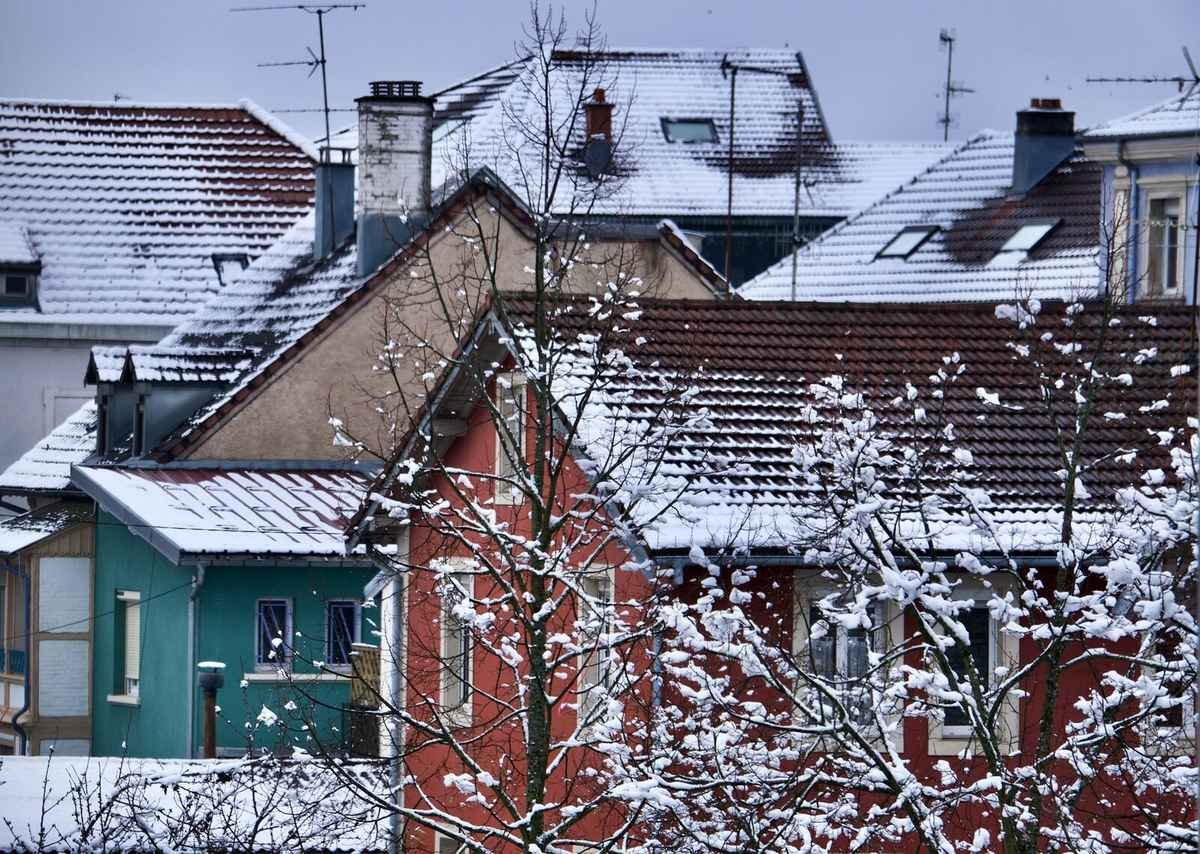
What kind of roof do most Ottawa Hills homes have?
Ottawa Hills, Grand Rapids is one of the most historically concentrated neighborhoods in the metro: 67.7% of its homes were built in 1939 or earlier, a greater share than 98.3% of neighborhoods nationwide (NeighborhoodScout), mostly in Tudor, Georgian, and Colonial Revival styles on graded, former-golf-course lots rather than a flat subdivision grid. That combination of nearly century-old rooflines and sloped terrain calls for a roofer who knows both. Grand Rapids Roofing Pros is an independent dispatch service that can match you with one.
Why does Ottawa Hills’ terrain change roof drainage?
Because Ottawa Hills was platted on a former golf course, its lots follow the graded contours of old fairways rather than a flat, engineered subdivision grid. That terrain changes how roof runoff and snowmelt behave — water draining off a roof on a sloped lot doesn’t pool the same way it would on level ground, and drainage and gutter routing matter more here than in a flat-lot GR neighborhood.
That terrain sits on top of the same statewide ice-dam mechanism found everywhere in West Michigan: warm attic air melting the underside of the standing winter snowpack, with meltwater refreezing at the cold eave and backing up under the shingles. On a Tudor or Colonial Revival roof built between 1922 and 1950, that attic predates modern insulation and ventilation standards.
Signs your Ottawa Hills roof needs a look
- An ice ridge building along a Tudor or Colonial Revival eave in January or February.
- A ceiling stain appearing near a steep gable or dormer on a graded lot.
- A re-roof that predates the modern eave ice-barrier code and was never checked for it.
- Water draining unevenly off a roof on one of Ottawa Hills’ sloped, former-fairway lots.
Why does Ottawa Hills’ roof stock differ from a flat West Michigan subdivision?
Three things a roofer needs to know about this hilly, historic neighborhood before recommending a fix.
One of the most historic neighborhoods in this build
67.7% of Ottawa Hills’ homes were built in 1939 or earlier — a greater concentration than 98.3% of neighborhoods nationwide (NeighborhoodScout) — putting it among the oldest housing stocks covered anywhere on this site.
Platted on a former golf course
The neighborhood’s land was previously the 5th Avenue Golf Course, the Highland Golf Course, and the Grand Rapids Golf Club before being subdivided in the early 1900s, and its winding streets still follow the old fairway routes.
Graded lots change drainage planning
Sloped, former-fairway terrain means roof runoff and gutter routing behave differently than on a flat subdivision grid, on top of the standing-snowpack mechanism that drives ice dams citywide.
Roofing services for Ottawa Hills homeowners
Whatever your Tudor, Georgian, or Colonial Revival roof needs, we connect you with a licensed local roofer who works this graded, historic terrain.
Roof Replacement
A code-compliant re-roof on an Ottawa Hills Tudor or Colonial Revival adds the eave ice-and-water membrane many pre-1950 roofs were built without.
Explore replacementRoof Repair
Ceiling stains near a steep gable or dormer get diagnosed at the source, not just patched from below.
Explore repairStorm & Hail Damage
Wind and hail damage on a graded Ottawa Hills lot get documented and matched to a licensed roofer — no coverage outcome promised.
Explore storm damageIce Dam Removal
Safe steam removal for ice ridges on Ottawa Hills’ historic eaves, plus an attic-side diagnosis built for 1920s-50s construction.
See the flagship guideRoof Inspection
A fall, attic-inclusive check that accounts for both a century-old attic and the neighborhood’s sloped, former-fairway drainage.
Explore inspectionNot sure what you need?
Describe what you’re seeing and call now. We’ll route you to a licensed roofer who works Ottawa Hills’ historic terrain.
Get matched nowWhat Ottawa Hills’ history and West Michigan winters put on a roof
NeighborhoodScout’s Ottawa Hills data — a greater concentration than 98.3% of neighborhoods nationwide.
The 5th Avenue Golf Course, Highland Golf Course, and Grand Rapids Golf Club all preceded the neighborhood’s early-1900s platting.
NOAA/NCEI climate normals (1991–2020) at Gerald R. Ford International Airport — the base that feeds ice-dam risk citywide.
Michigan Residential Code R905.1.2 minimum ice-barrier run inside the exterior wall line on a permitted re-roof.
Sources: NeighborhoodScout — Ottawa Hills, Grand Rapids; Ottawa Hills Neighborhood Association; May Group Realtors — Ottawa Hills; NOAA/NCEI Climate Normals (1991–2020); Michigan Residential Code R905.1.2.
Streets & landmarks we cover
We connect Ottawa Hills homeowners with licensed local roofers from Aquinas College to the neighborhood’s winding, former-fairway streets.
Nearby areas we also serve
Questions Ottawa Hills homeowners ask
Why is Ottawa Hills built on a former golf course?+
The neighborhood’s land was previously home to the 5th Avenue Golf Course, the Highland Golf Course, and the Grand Rapids Golf Club before being platted as a residential subdivision in the early 1900s, and its winding streets are documented as still following the old fairway routes.
Is my Ottawa Hills roof missing the ice barrier required by Michigan code?+
Possibly, especially if it was reroofed before the modern eave ice-barrier requirement (Michigan Residential Code R905.1.2) was consistently applied, common on homes built between 1922 and 1950. A licensed local roofer can check the eave and valley detail during an inspection.
Does Ottawa Hills’ sloped terrain affect roof drainage?+
Yes. Because the neighborhood was platted on graded, former-fairway land rather than a flat engineered grid, roof runoff and gutter routing can behave differently than on a level West Michigan subdivision lot, which is worth factoring into a repair or replacement plan.
Do I need a permit to reroof a home in Ottawa Hills?+
Yes. The City of Grand Rapids requires a residential building permit for all re-roofing work, even a shingle-only replacement, through the Development Center.
Do you install or repair roofs directly in Ottawa Hills?+
No. Grand Rapids Roofing Pros is an independent dispatch service. We connect Ottawa Hills homeowners with licensed, independent local roofing professionals; we do not perform roofing work ourselves.
About this guide: Researched from NWS Grand Rapids records, Michigan Residential Code, and City of Grand Rapids permit rules by the Grand Rapids Roofing Pros research team. We are a homeowner-to-roofer matching service; we do not perform roofing work ourselves. Learn more About Us or see How We Vet Roofing Partners.
Get matched with a licensed local roofer
Call now and we’ll connect you with a licensed West Michigan roofer who knows Ottawa Hills’ Tudor, Georgian, and Colonial Revival housing stock, starting with a roof inspection built for this graded terrain. No phone tag, no obligation.
Call now for a roofer
Independent dispatch service connecting homeowners with licensed local roofing professionals. We are not a roofing contractor.