Roofing in Eastown, Grand Rapids
Eastown Grand Rapids roofing covers one of the city’s other century-old neighborhoods: most homes here date to 1910–1930, built in Queen Anne, Prairie, and Craftsman styles on narrow, walkable, sidewalk-lined lots. Grand Rapids Roofing Pros is an independent dispatch service that connects Eastown homeowners with licensed local roofers who work this exact housing stock. Call now to get matched.
Last updated: August 2026
Ready to talk to someone about your roof?
Call to reach the licensed local roofer you’re matched with in Grand Rapids & West Michigan.
Call (901) 704-8932When you call, stay on the line for a few seconds while we match you with the licensed local roofer for your area. Have your address and a quick description of the problem ready.
Call now for a licensed local roofer
Call now and we’ll connect you by phone with the licensed local roofer you’re matched with — no phone tag, no obligation.
📞 Call Now — (901) 704-8932We connect homeowners with independent licensed roofing professionals in the Grand Rapids area. We are not a licensed contractor and do not perform roofing work ourselves.
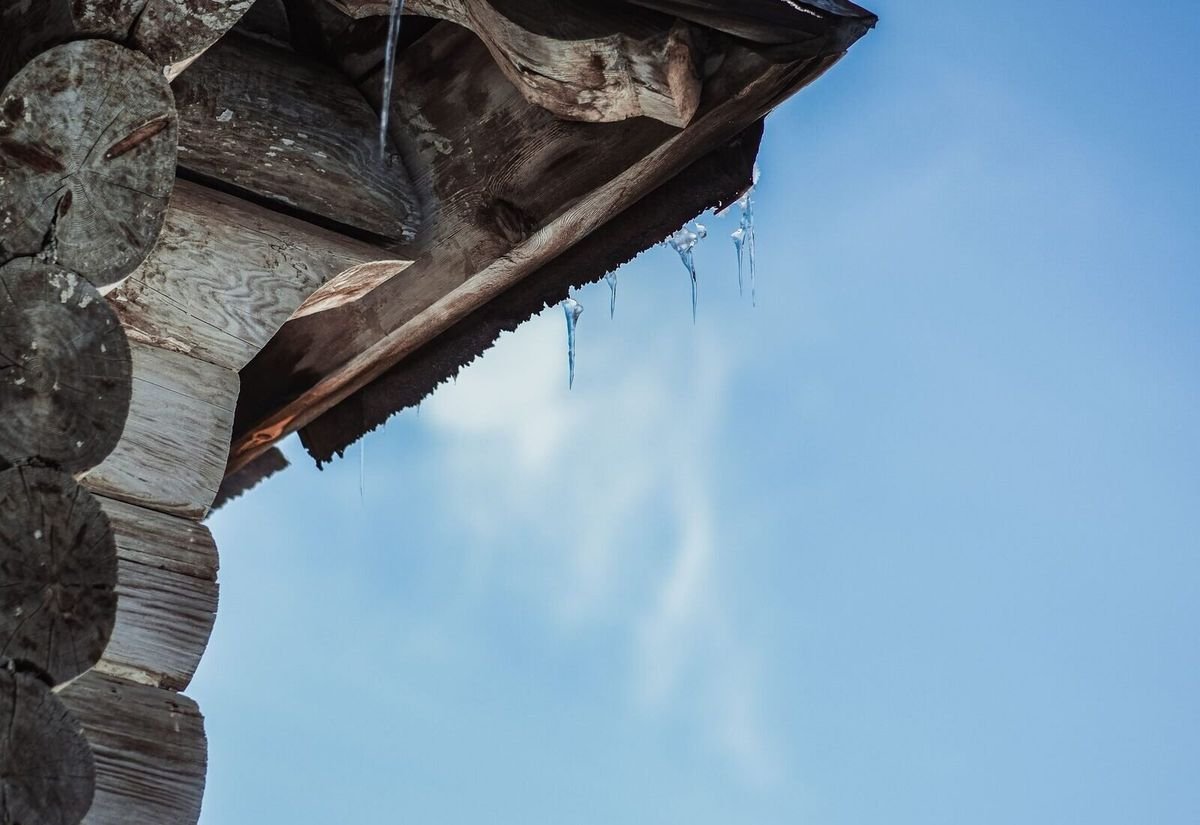
What kind of roof do most Eastown homes have?
Most Eastown homes date to 1910–1930, built in Queen Anne, Prairie, and Craftsman styles on narrow, walkable, sidewalk-lined lots (Homes.com Eastown Neighborhood Guide). That’s the same steep-pitched, early-1900s construction era as neighboring Heritage Hill — but Eastown is not a registered historic district, which a local Realtor has noted means buyers get century-old homes without the historic-district design-review layer. For a roof, that means the same retrofit challenge — old attics, complex pitches — without the added historic-district permitting step on exterior work.
Century-old roofs, one fewer review layer
Eastown’s Queen Anne, Prairie, and Craftsman homes carry the same steep, multi-plane rooflines and deep eaves that define Grand Rapids’ early-1900s housing stock — narrow lots, sidewalk-lined streets, and roofs built decades before modern insulation and ventilation codes existed.
The difference from Heritage Hill next door is procedural, not physical: Eastown isn’t a registered historic district, so a licensed roofer working here typically doesn’t have to route a like-for-like reroof or an ice-barrier retrofit through the same design-review process a Heritage Hill homeowner might face. The roofing challenge itself — an old attic that needs the right insulation and ventilation to stop ice dams — is the same either way.
Signs your Eastown roof needs a closer look
- A visible ice ridge along a steep Craftsman or Queen Anne eave in January or February.
- A ceiling stain near a dormer, turret, or valley on an early-1900s roofline.
- A re-roof that predates the modern eave ice-barrier code.
- Attic space that feels warmer than expected for a century-old home.
Why this neighborhood’s roofs differ from the rest of Grand Rapids
Three things a roofer needs to know about Eastown’s housing stock before recommending a fix.
A 1910–1930 build era, block after block
Eastown’s homes were built in a single concentrated era — Queen Anne, Prairie, and Craftsman styles on narrow, sidewalk-lined lots — giving the neighborhood a fairly uniform roofline age and pitch.
No historic-district design review
Unlike Heritage Hill next door, Eastown is not a registered historic district, so exterior roof work here typically follows the standard City of Grand Rapids permitting process rather than an added review layer.
A century of attic and eave wear either way
Whether or not a district review applies, a 100+ year-old Eastown attic still needs an honest look at insulation, ventilation, and eave ice-barrier coverage before a repair or replacement.
Roofing services for Eastown homeowners
Whatever your century-old roof needs, we connect you with a licensed local roofer who works this early-1900s housing stock.
Roof Replacement
A code-compliant re-roof on an early-1900s Eastown home adds the full eave ice-and-water membrane many of these roofs were built decades before.
Explore replacementRoof Repair
Ceiling stains near a dormer, turret, or valley on a Queen Anne or Craftsman roofline get diagnosed at the source, not just patched from below.
Explore repairStorm & Hail Damage
Wind and hail from summer storms on a century-old Eastown roofline get documented and matched to a licensed roofer — no coverage outcome promised.
Explore storm damageIce Dam Removal
Safe steam removal for ice ridges building along Eastown’s steep early-1900s eaves and valleys, plus an attic-side diagnosis.
See the flagship guideRoof Inspection
A fall, attic-inclusive check built for a century-old Eastown attic’s original framing and ventilation gaps, not just a shingle-field look.
Explore inspectionNot sure what you need?
Describe what you’re seeing and call now. We’ll route you to a licensed roofer who works Eastown’s historic roofs.
Get matched nowWhat Eastown’s history and West Michigan winters put on a roof
Most Eastown homes date to this 20-year window, in Queen Anne, Prairie, and Craftsman styles (Homes.com Eastown Neighborhood Guide).
Unlike neighboring Heritage Hill, Eastown carries no registered historic-district design-review layer on exterior work.
NOAA/NCEI climate normals (1991–2020) at Gerald R. Ford International Airport — the base that feeds ice-dam risk citywide.
Michigan Residential Code R905.1.2 minimum ice-barrier run inside the exterior wall line on a permitted re-roof.
Sources: Homes.com — Eastown Neighborhood Guide; NOAA/NCEI Climate Normals (Gerald R. Ford International Airport, 1991–2020); Michigan Residential Code R905.1.2.
Streets & landmarks we cover
We connect homeowners across Eastown with licensed local roofers, from the Wealthy Street business district to the blocks bordering Aquinas College.
Nearby areas we also serve
Questions Eastown homeowners ask
Why do so many homes in Eastown date to the same era?+
Most Eastown homes were built between 1910 and 1930, in Queen Anne, Prairie, and Craftsman styles on narrow, walkable, sidewalk-lined lots (Homes.com). That concentrated building boom is why the neighborhood has a fairly uniform roofline age and pitch today.
Is Eastown a historic district like Heritage Hill?+
No. Eastown shares Heritage Hill’s early-1900s build era, but it is not a registered historic district. A local Realtor has noted that means Eastown buyers get century-old homes without the added historic-district design-review layer that can apply to exterior work in Heritage Hill.
Does that mean an Eastown reroof is simpler than a Heritage Hill reroof?+
Procedurally, an Eastown reroof typically follows the standard City of Grand Rapids permitting process rather than an added historic-district review. The underlying roofing challenge — an old attic that needs the right insulation, ventilation, and eave ice-barrier coverage — is the same either way.
Why does a ceiling stain in Eastown often show up near a dormer or turret?+
Queen Anne and Craftsman rooflines have more valleys, dormers, and roof-to-wall transitions than a simple gable roof, and those are the spots where a standing snowpack is most likely to melt and refreeze into an ice ridge that backs water up under the shingles.
Do you install or repair roofs directly in Eastown?+
No. Grand Rapids Roofing Pros is an independent dispatch service. We connect Eastown homeowners with licensed, independent local roofing professionals; we do not perform roofing work ourselves.
About this guide: Researched from NWS Grand Rapids records, Michigan Residential Code, and City of Grand Rapids permit rules by the Grand Rapids Roofing Pros research team. We are a homeowner-to-roofer matching service; we do not perform roofing work ourselves. Learn more About Us or see How We Vet Roofing Partners.
Get matched with a licensed local roofer
Call now and we’ll connect you with a licensed West Michigan roofer who knows Eastown’s early-1900s Queen Anne and Craftsman housing stock. No phone tag, no obligation.
Call now for a roofer
Independent dispatch service connecting homeowners with licensed local roofing professionals. We are not a roofing contractor.