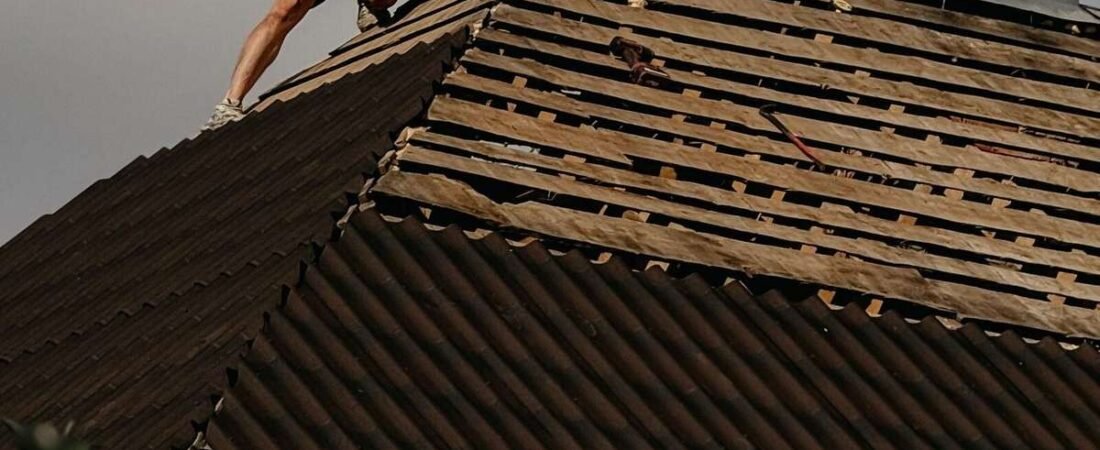
Late spring through fall (roughly April–November) is the best window to replace a roof in Michigan, because asphalt shingles need sustained temperatures above about 40–45°F to seal properly. September and October are the sweet spot in West Michigan — mild days, lower humidity, and a booking calendar that clears out before lake-effect snow narrows the schedule. Winter installs are possible but require hand-sealing and cost more in labor time.
Ready to talk to someone about your roof?
Call to reach the licensed local roofer you’re matched with in Grand Rapids & West Michigan.
Call (901) 704-8932When you call, stay on the line for a few seconds while we match you with the licensed local roofer for your area. Have your address and a quick description of the problem ready.
Roofers in Grand Rapids get some version of the same question every year: is there really a wrong time to replace a roof, or is that just a sales line? There’s a real mechanical answer, and it has almost nothing to do with the calendar and everything to do with what the shingle adhesive needs to do its job — plus a few West Michigan-specific scheduling realities that make some months a much easier lift than others.

Why Temperature Decides More Than the Date on the Calendar
Every asphalt shingle has a factory-applied self-sealing adhesive strip. That strip needs sun exposure and ambient warmth — generally sustained temperatures in the 40–45°F range or higher — to soften, bond to the shingle course below it, and lock the roof against wind uplift. The National Roofing Contractors Association publishes cold-weather application guidance for exactly this reason: installs are still possible below that threshold, but they require hand-sealing every tab with roofing cement, which slows the crew down and adds labor cost that a warm-weather install never needs.
That’s the real driver behind “best time of year.” It’s not superstition about a season — it’s whether the roof can seal itself or whether a crew has to seal it by hand, shingle by shingle.
Is Spring a Good Time to Replace a Roof in Michigan?
Spring in West Michigan is a mixed bag. April can still deliver a hard overnight freeze, and the same freeze-thaw cycling that damages roads also works against fresh roofing work — moisture trapped under a membrane before a cold snap doesn’t behave the same way it does in July. By late May and June, daytime temperatures are consistently in the sealing range and most Kent County crews are booking normally. Spring is workable; it’s just the least predictable of the three warm-weather windows.
Why Summer Is Peak Booking Season in Grand Rapids
Summer is when the sealing strip does its job fastest and most reliably, which is exactly why it’s also the most heavily booked stretch of the year for every roofer in the region. Long daylight hours mean more can get done per visit, and consistent heat means shingles seal within days rather than weeks. The tradeoff is availability — a well-reviewed local crew can be weeks out by July, so a summer replacement usually means scheduling in early spring.
Why Fall Is Often the Real Sweet Spot
September and October routinely get overlooked, but they’re arguably the best combination of conditions in West Michigan: daytime temperatures still comfortably clear the sealing threshold, humidity drops from its summer peak (which matters for underlayment and adhesive performance), and the rush of summer bookings has usually cleared out. According to the National Weather Service office that covers Grand Rapids, the area’s average first fall frost typically lands in early-to-mid October — which gives most of September and much of October as a clean, mild install window before overnight temperatures start working against a fresh seal.
It’s also the practical last call before winter. A roof that’s already showing granule loss, curling, or a soft deck going into November is a much bigger gamble left through a Michigan winter than one replaced in the fall.
Can You Replace a Roof in a Michigan Winter?
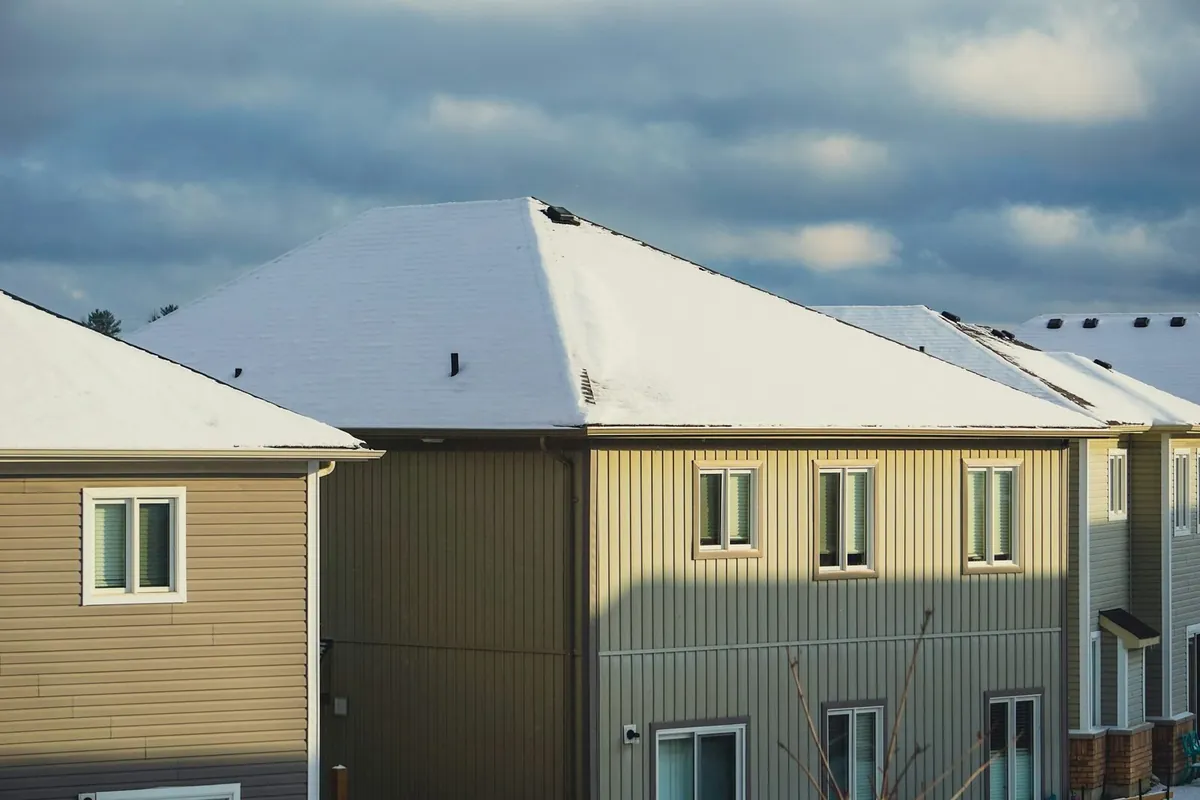
Yes, and sometimes it isn’t optional — a storm doesn’t wait for good weather. West Michigan’s lake-effect snow bands off Lake Michigan add another layer most other Midwest markets don’t deal with: heavier, more frequent snow events on top of already-cold sealing conditions. A winter install is fully doable with an experienced crew, but expect hand-sealing, weather-dependent scheduling, and a job that simply takes longer than the same roof would in September.
The Code Detail That Matters More Than the Season
Timing gets the seasonal answer, but there’s a compliance detail that matters regardless of the month: Michigan’s residential code requires an eave ice-and-water barrier on every re-roof, a rule built specifically for the state’s ice-dam risk. Homeowners who go through a Grand Rapids roof replacement are matched with a licensed, insured local roofer who pulls the required permit and verifies that eave detail as part of the job, whatever season the work happens in.
If the roof isn’t clearly failing yet, a roof inspection before booking a season is worth doing first — it settles whether the job is a this-year problem or something that can wait for the ideal fall window.
Not sure which window fits your roof? Get matched with a licensed, insured local Grand Rapids roofer who can walk the timeline with you — no obligation.
How Kent County Booking Windows Actually Fill Up
Because summer is the highest-demand stretch, the roofers who fill up first are the ones already booked from spring inquiries. The practical strategy most Grand Rapids homeowners land on: get an inspection in late winter or early spring, decide on scope, and book either an early-summer or fall slot before the calendar tightens. The Grand Rapids summer roof replacement season breakdown goes deeper into how that local booking curve moves month to month.
FAQ
What month is best to replace a roof in Michigan?
September and October typically offer the best mix of mild, dry-enough conditions for a reliable shingle seal and a booking calendar that isn’t jammed with summer overflow. June through August works too, but expect longer lead times to get on a crew’s schedule.
Can roofing be done in cold weather in Michigan?
Yes. Roofers install year-round when a repair or replacement can’t wait, using hand-sealing techniques for the adhesive strips instead of relying on sun and ambient heat. It takes longer and is more weather-dependent than a warm-season install.
Does lake-effect snow affect roof replacement timing in West Michigan?
Yes. Areas downwind of Lake Michigan, including Grand Rapids and Kent County, see more frequent and heavier snow events than other parts of the state, which shortens the practical winter install window and adds scheduling uncertainty.
Should I wait for a specific season if my roof is actively leaking?
No. An active leak or exposed deck is a now problem regardless of season. The licensed roofer you’re matched with can assess whether a temporary tarp-and-wait approach or an immediate replacement makes more sense for the conditions.
Grand Rapids Roofing Pros is a free referral and matching service. We are not a licensed roofing contractor and do not perform roofing work ourselves. All work is performed by independent, licensed and insured local roofing contractors. Availability, scope, and scheduling are determined solely by the matched contractor and are not guaranteed.