Roof Valley & Flashing Leak Repair in Grand Rapids
Roof valleys and flashing seams are the single most leak-prone spot on a Grand Rapids roof, because they concentrate more water and snow than any flat shingle field. Grand Rapids Roofing Pros is an independent dispatch service that connects West Michigan homeowners with licensed local roofers for exactly this kind of targeted repair.
Source: GAF Roofing Basics on valley and flashing installation standards.
Ready to talk to someone about your roof?
Call to reach the licensed local roofer you’re matched with in Grand Rapids & West Michigan.
Call (901) 704-8932When you call, stay on the line for a few seconds while we match you with the licensed local roofer for your area. Have your address and a quick description of the problem ready.
Call now for a licensed local roofer
Call now and we’ll connect you by phone with the licensed local roofer you’re matched with — no phone tag, no obligation.
📞 Call Now — (901) 704-8932We connect homeowners with independent licensed roofing professionals in the Grand Rapids area. We are not a licensed contractor and do not perform roofing work ourselves.
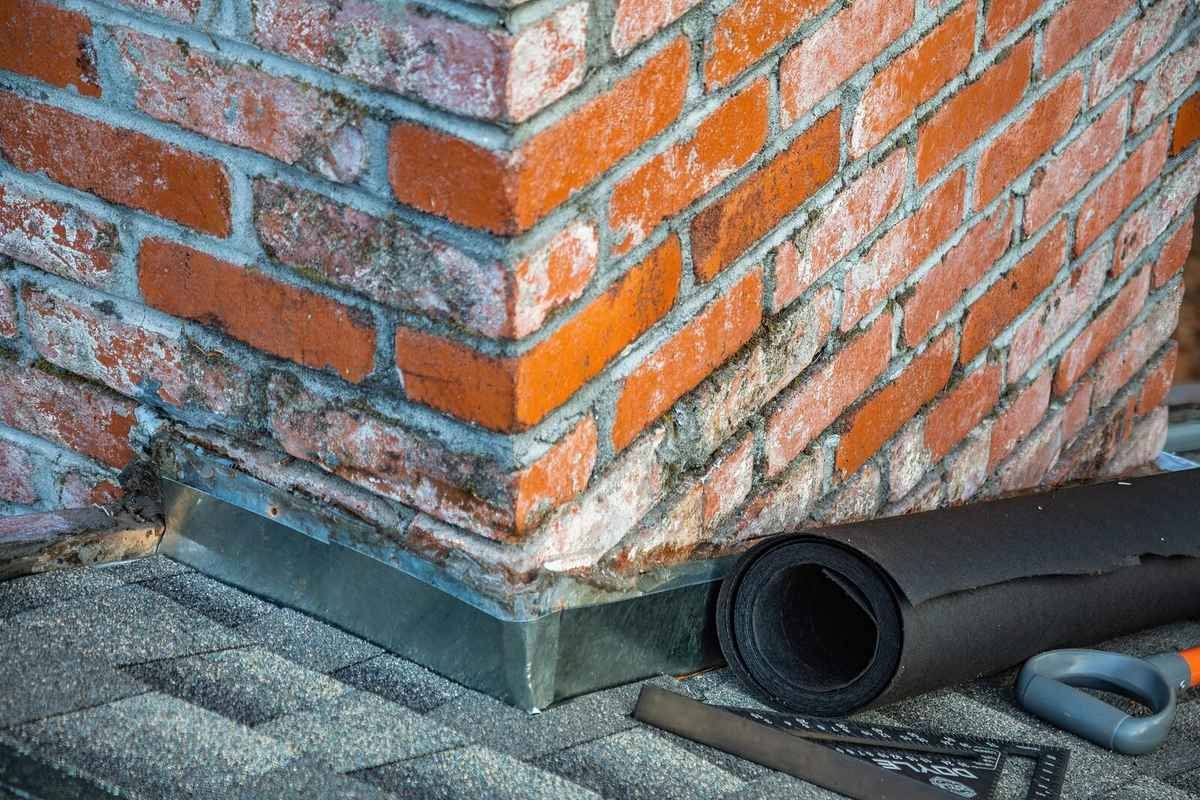
Quick answer: why do roof valleys leak more than other areas?
A roof valley is the internal angle where two roof planes meet, funneling water and snowmelt from both planes into one channel. On Grand Rapids homes, that concentration means a valley carries far more volume than an open shingle field, so any small gap in the valley metal, shingle overlap, or flashing seam gets tested harder and more often. Complex rooflines, more valleys, dormers, and roof-to-wall intersections, carry more leak exposure than a simple gable roof. A licensed local roofer inspects these seams first.
Why more roofline complexity means more leak risk
Every valley, dormer, and roof-to-wall intersection is a place where two separate roof surfaces have to be sealed together instead of one continuous shingle field doing the work. Each of those seams is a manufactured weak point compared to open shingle area, and each one has to shed not just its own rainfall or snowmelt but water draining off the upper roof plane above it too. On a roof with several valleys, the lowest ones can end up carrying multiple planes’ worth of runoff during a heavy rain or fast spring thaw.
In winter, valleys also collect and hold snow longer than open roof slopes, because the angle slows shedding — which means valleys can carry an outsized share of a roof’s ice-dam exposure too. See how that connects in how ice dams form on West Michigan roofs.
Quick self-check: is it a valley or flashing leak?
- Stain traces to a spot directly below a valley, dormer, or chimney
- Worse after heavy rain or fast snowmelt, not just any storm
- Valley metal looks corroded, cracked, or shifted from the ground
- Leak is localized, not spread across a broad ceiling area
Why newer custom homes in Ada, Cascade & Forest Hills carry real valley exposure
Newer doesn’t always mean simpler. Some of the highest valley density in the Grand Rapids market is on the newest homes.
Custom-built, multi-plane design
Ada, Cascade Township, and the Forest Hills area are known for newer, larger custom homes on wooded or acreage lots — often built with complex, multi-plane rooflines carrying many valleys, dormers, and roof-to-wall intersections rather than a simple gable form.
Upper roofs shed onto lower ones
On a multi-level roofline, an upper plane often sheds its runoff directly onto a lower one, adding volume at exactly the valleys and intersections where the lower roof already has to manage its own water and snow.
Wooded, acreage settings
Larger lots and mature tree cover common to these communities can add debris load in valleys over time, which is worth checking alongside the flashing and metal itself during any inspection.
This pattern — more architectural complexity raising, not lowering, roof-leak exposure — is specific to these newer, larger-footprint West Michigan communities, not a generic “older roofs leak more” story.
How a valley or flashing repair actually works
This is a different repair than an attic-side ice-dam fix or a full re-roof — it’s a targeted, localized job.
Confirm the source
A roofer traces the stain up through the attic (if accessible) to confirm it originates at the valley or flashing seam, not a nearby cause.
Inspect the valley metal
Open, woven, or closed-cut valley metal is checked for corrosion, cracking, or shifting, and shingle overlap is checked for proper coverage.
Repair or replace locally
In most cases the fix is localized — new valley metal, resealed flashing, or corrected shingle overlap — rather than a full roof replacement.
Check adjacent valleys too
On a complex roofline, a roofer will typically check other valleys and intersections while on-site, since one worn area often signals age-related wear at others.
Questions Grand Rapids homeowners ask
Why do roof valleys leak more than flat shingle areas?+
A valley funnels water and snowmelt from two roof planes into a single channel, so it carries far more volume than an open shingle field. That concentration means any small gap in the valley metal or shingle overlap gets tested harder and more often than the rest of the roof.
Does a newer, custom-built home still have valley-leak risk?+
Yes, often more than a simpler older home. Newer custom homes in communities like Ada, Cascade Township, and Forest Hills are frequently built with complex, multi-plane rooflines carrying many valleys and dormers, which increases the number of high-volume seams on the roof regardless of the home’s age.
Do valleys make ice dams worse too?+
They can. Valleys collect and hold snow longer than open roof slopes because the angle slows shedding, so a roof with several valleys can carry an outsized share of its overall ice-dam exposure at those specific points.
Is a valley leak repair the same as a full roof replacement?+
Usually not. Most valley and flashing leaks are addressed with a localized repair, new valley metal, resealed flashing, or corrected shingle overlap, rather than a full re-roof, though a roofer will typically check nearby valleys and intersections while on-site.
How can I tell a valley leak from an ice dam leak?+
A valley leak traces to a specific point below a valley, dormer, or chimney and tends to worsen with heavy rain or fast snowmelt. An ice dam leak shows up near an eave or upper exterior wall during a slow winter thaw. See our full comparison in ice dam vs. shingle failure diagnosis.
Valley & flashing repair help across Grand Rapids & Kent County
We connect homeowners with licensed roofers throughout the Grand Rapids metro, including the complex-roofline communities where valley exposure runs highest.
See the full roof repair service overview for how a valley or flashing repair fits into a broader diagnosis, or explore related services: roof inspection, storm damage repair, roof replacement, and ice dam removal, or start from the homepage.
Continue the roof-repair series
Get matched with a licensed Grand Rapids roofer
Call now and we’ll connect you with a licensed West Michigan roofer for a targeted valley or flashing repair. No phone tag, no obligation.
Call now for a roofer
Independent dispatch service connecting homeowners with licensed local roofing professionals. We are not a roofing contractor.