Soffit & Fascia Repair in Grand Rapids, MI
Soffit and fascia repair in Grand Rapids is often treated as cosmetic, but the soffit specifically plays a structural role: it’s the intake half of the soffit-to-ridge airflow path that keeps an attic close to outdoor temperature. Grand Rapids Roofing Pros is an independent dispatch service connecting West Michigan homeowners with licensed local roofers for soffit and fascia repair.
Call now for a licensed local roofer
Call now and we’ll connect you by phone with the licensed local roofer you’re matched with — no phone tag, no obligation.
Ready to talk to someone about your roof?
Call to reach the licensed local roofer you’re matched with in Grand Rapids & West Michigan.
Call (901) 704-8932When you call, stay on the line for a few seconds while we match you with the licensed local roofer for your area. Have your address and a quick description of the problem ready.
We connect homeowners with independent licensed roofing professionals in the Grand Rapids area. We are not a licensed contractor and do not perform roofing work ourselves.
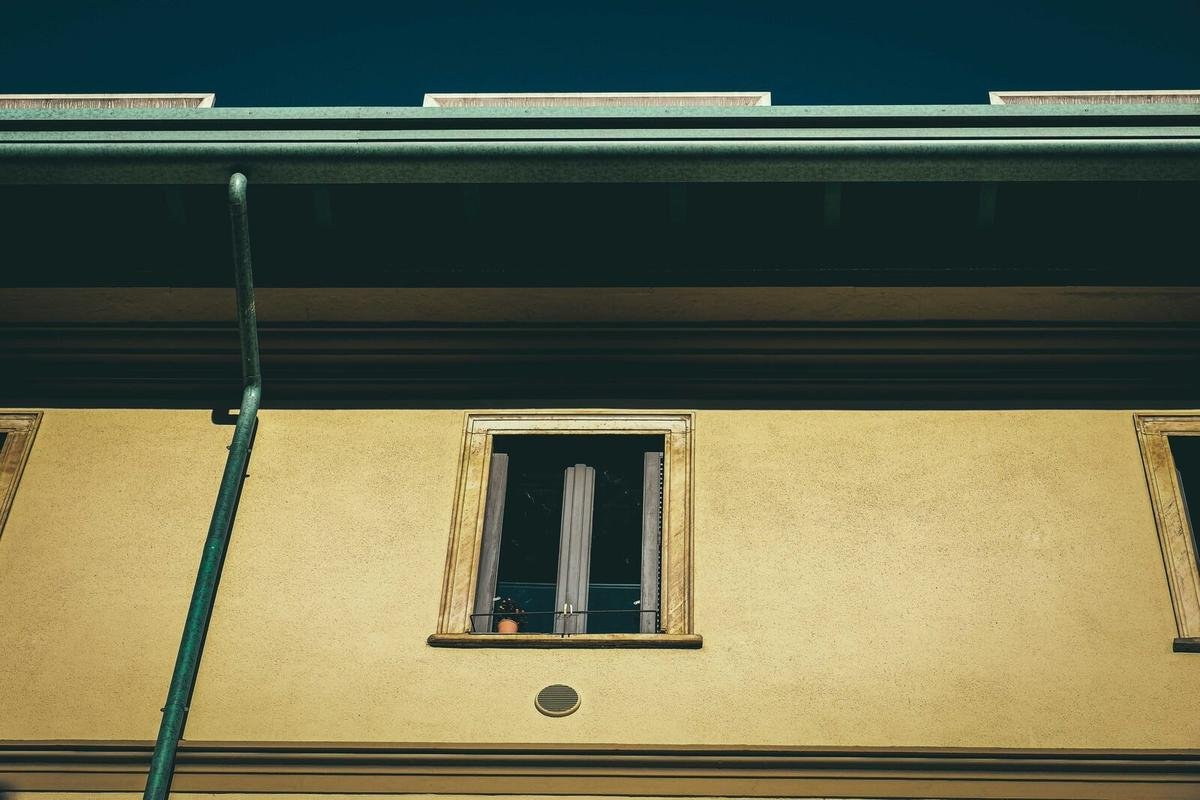
Quick answer: why does soffit condition affect ice dams?
Quick answer: Ice dams form when warm attic air melts a standing snowpack from underneath, and the meltwater refreezes into a ridge at the cold eave, a mechanism confirmed by MSU Extension. Avoiding that cycle needs continuous airflow from the soffit (intake) up to the ridge (exhaust). Damaged or blocked soffit vents choke off the intake side regardless of ridge venting, and fascia rot lets meltwater get behind the gutter instead of off the roof. Grand Rapids homeowners can get matched with a licensed local roofer to inspect both.
Why a ridge vent alone isn’t a ventilation system
Attic ventilation is usually described as a ridge vent or box vents at the top of the roof, but a ridge vent with no working intake below it isn’t a ventilation system — it’s a hole. Soffit vents at the eave are the intake half of that circuit, pulling outside air in along the underside of the roof deck to carry heat back out at the ridge, per MSU Extension’s guidance on preventing ice dams. Painted-shut, blocked, or missing vents choke off that intake half before it can do its job, no matter how much ridge venting exists at the top; a fascia board running along the same eave can rot or separate for a related reason, letting meltwater slip behind the gutter and into the roof edge instead of off of it.
On many older Grand Rapids homes, soffit vents have been painted over, covered during a past siding job, or blocked from inside the attic by insulation piled against the eave with no baffle to hold an air channel open. From the ground, a soffit can look intact while doing nothing.
What repair typically includes
- Replacing rotted, cracked, or painted-shut soffit panels so perforated venting can actually pass air.
- Clearing insulation blocking the eave from inside the attic, sometimes paired with baffles that hold a channel open.
- Repairing or replacing fascia board where rot has started, so the gutter line stays sound.
Signs soffit or fascia needs attention
Paint or caulk sealing vent holes shut
A common side effect of an exterior paint job that quietly closes off intake air without anyone intending it to.
Sagging or separated fascia
Meltwater finding a path behind the gutter instead of off it, often the first visible sign of trouble at the eave.
Ice dams that keep recurring
If dams keep forming despite decent ridge venting, the intake side of the system is a common overlooked cause.
Questions Grand Rapids homeowners ask
Does soffit damage really contribute to ice dams?+
Yes. Attic ventilation depends on intake air at the soffit and exhaust at the ridge working together. Blocked or damaged soffit venting can undercut ridge venting even if the ridge vent itself is in good condition.
How do I know if my soffit vents are blocked?+
From the ground, painted-over or caulk-filled vent holes are a visible sign. From inside the attic, insulation piled directly against the eave with no visible air channel is another common cause. A licensed roofer can check both.
Is fascia repair urgent?+
Rotted fascia can let water get behind the gutter and into the roof edge rather than off the roof, so it’s worth addressing before it worsens, particularly ahead of winter.
Can soffit and fascia be repaired without replacing the whole roof?+
In most cases, yes. It’s typically eave-level work, though a roofer may flag related issues, like eave ice barrier coverage, worth checking at the same time.
Soffit & fascia repair across Grand Rapids & Kent County
We connect homeowners with licensed roofers throughout the Grand Rapids metro and surrounding West Michigan communities.
Related guides
Get matched with a licensed Grand Rapids roofer
Call now and we’ll connect you with a licensed West Michigan roofer for soffit and fascia repair. No phone tag, no obligation.
Call now for a roofer
Independent dispatch service connecting homeowners with licensed local roofing professionals. We are not a roofing contractor.