Temporary vs. Permanent Ice Dam Repair in Grand Rapids
When a Grand Rapids roof is leaking from an ice dam, homeowners face two different kinds of repair: a temporary fix that stops today’s water, and a permanent fix that stops the dam from reforming next thaw. Confusing the two is the single biggest reason West Michigan homeowners deal with the same ice dam leak winter after winter. Grand Rapids Roofing Pros is an independent dispatch service that connects homeowners with licensed local roofers who handle both stages correctly.
Call now for a licensed local roofer
Call now and we’ll connect you by phone with the licensed local roofer you’re matched with — no phone tag, no obligation.
Ready to talk to someone about your roof?
Call to reach the licensed local roofer you’re matched with in Grand Rapids & West Michigan.
Call (901) 704-8932When you call, stay on the line for a few seconds while we match you with the licensed local roofer for your area. Have your address and a quick description of the problem ready.
We connect homeowners with independent licensed roofing professionals in the Grand Rapids area. We are not a licensed contractor and do not perform roofing work ourselves.
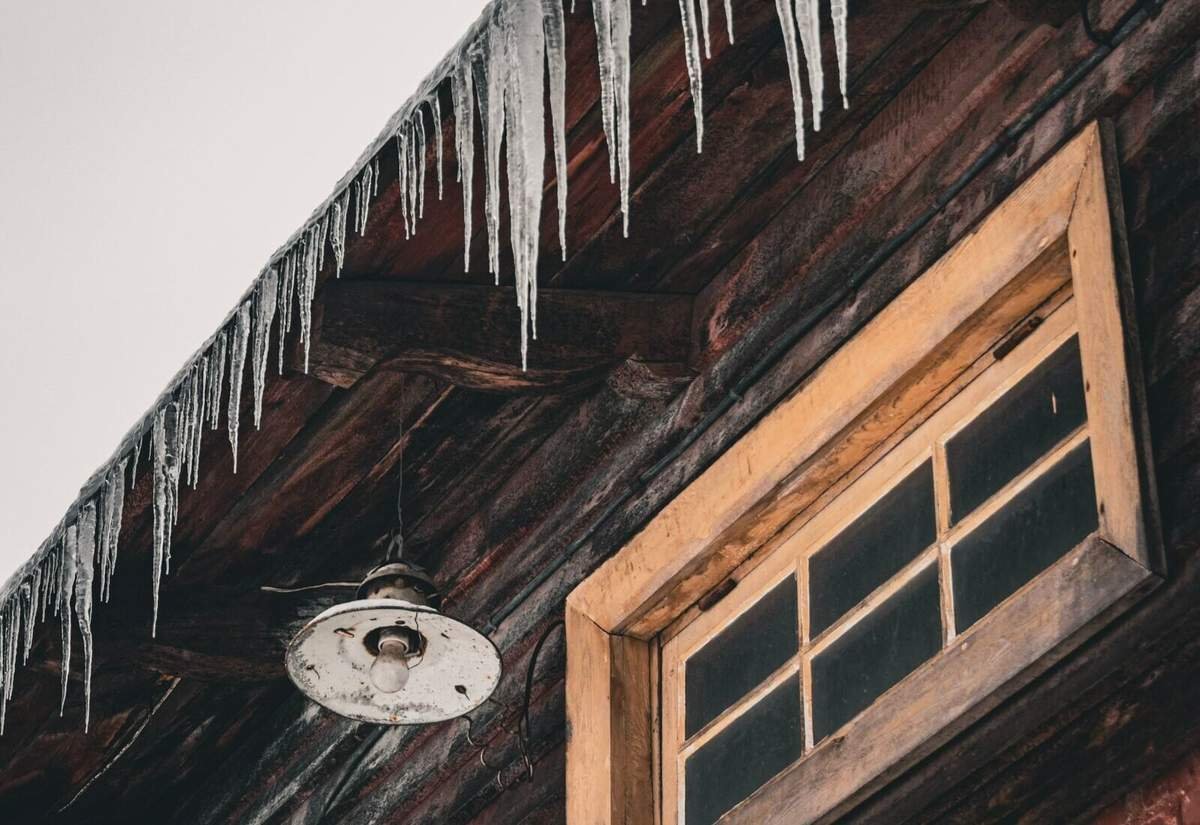
Temporary vs. permanent ice dam repair, in one sentence
Temporary repair removes ice actively backing water into a Grand Rapids home right now, usually low-pressure steam removal. Permanent repair fixes the attic-side heat loss and eave protection that let the dam form, so it does not refreeze into the same shape next thaw. A licensed West Michigan roofer can do the temporary step alone, but skipping the permanent fix on a roof holding a standing snowpack for weeks usually means the leak returns.
What “temporary” ice dam repair actually does
Temporary repair is about relieving pressure on the roof today. In Grand Rapids that typically means a licensed roofer using low-pressure steam to melt channels through the ice dam so trapped meltwater can drain off the eave instead of backing up under the shingles. A roof rake used carefully from the ground can reduce the snow load feeding the dam, and heat cables are sometimes installed along the eave as a stopgap to keep a channel open through the rest of the season.
None of these steps change why the dam formed. They buy time and stop water from actively entering the home — which matters, especially mid-storm — but the underlying warm-attic mechanism (INS-ICE-05) is still in place once the steam crew leaves.
What “permanent” ice dam repair actually does
Permanent repair addresses the attic side of the problem: air-sealing ceiling penetrations, adding insulation so warm household air stops leaking into the attic, and balancing soffit-to-ridge ventilation so any heat that does escape gets flushed out before it melts the snowpack from below. On an older Grand Rapids roof, it can also mean adding eave ice-and-water shield membrane where Michigan’s residential code (R905.1.2) requires it but an older roof never received it.
This is the work that changes next winter’s outcome, not just this week’s leak. It is typically scoped after the temporary removal, once the roofer can see the eaves, valleys, and attic clearly.
Temporary repair vs. permanent repair
Both matter. They just solve different problems on the same Grand Rapids roof.
| Question | Temporary repair | Permanent repair |
|---|---|---|
| What it solves | Active water intrusion happening right now | The attic heat loss that creates the dam |
| Typical method | Low-pressure steam removal, careful roof-rake snow reduction, eave heat cables | Attic insulation, air-sealing, soffit-to-ridge ventilation, eave ice-barrier retrofit |
| When it’s used | During an active leak or heavy standing snowpack | After the immediate leak is addressed, often planned for fall |
| Does it prevent recurrence? | No — the same conditions can rebuild a dam at the next thaw | Yes, when done correctly — removes the mechanism that forms dams |
| Where a licensed roofer starts | On-site assessment of active ice and drainage | Attic-side diagnosis of insulation and ventilation |
Why a temporary-only fix keeps failing on Grand Rapids roofs
The pattern isn’t random — it’s consistent with how West Michigan winters actually behave.
The leak is usually an ice dam, not a shingle failure
In Grand Rapids, an upper-floor ceiling stain that shows up in January through March often traces to ice-dam backup at the eaves rather than a failed shingle. A cosmetic ceiling patch without addressing the eave and attic will typically recur at the next thaw.
The snowpack doesn’t melt off in a day
Grand Rapids holds 5″+ of snow on the ground for roughly 28.7 days a year on average, and 10″+ for about 8.3 days — concentrated in January and February. A standing pack gives a temporary-only fix repeated chances to rebuild the same dam.
Older roofs often lack the code fix entirely
Michigan’s residential code (R905.1.2) requires an eave ice barrier statewide, but many Grand Rapids roofs built or re-shingled before that requirement have no such membrane. Without it, the permanent-side fix is incomplete even after attic work is done.
Sources: MSU Extension, attic heat-loss mechanism for ice dams; NOAA/NCEI climate normals, Grand Rapids snow-depth accumulation (Gerald R. Ford International Airport); City of Grand Rapids Roof Assembly Requirements (Michigan Residential Code R905.1.2).
Questions Grand Rapids homeowners ask
Can I just do the temporary fix and skip the rest?+
You can, and sometimes a homeowner reasonably chooses to for one season. But on a Grand Rapids roof that holds a standing snowpack for weeks, the same attic-heat conditions that built the first dam are still there, so most homeowners see the leak return at the next thaw unless the attic-side work is also done.
Do I need the temporary fix before the permanent one?+
Usually yes, if there’s an active leak. Safely clearing the immediate ice and drainage path comes first; the attic-side diagnosis and any eave ice-barrier work is typically scoped once the roofer can see the eaves and attic clearly, often planned for the following fall.
Is heat-cable installation a permanent fix?+
No. Heat cables keep a drainage channel open through the ice but don’t address the warm-attic cause. They’re a seasonal stopgap, not a substitute for insulation, air-sealing, and ventilation work.
How do I know if my roof already has the code-required ice barrier?+
A licensed roofer can check during an on-site or attic-side assessment. Many older Grand Rapids roofs installed before Michigan’s ice-barrier requirement (R905.1.2) don’t have it, which is worth confirming before assuming a permanent fix is complete.
Ice dam repair across Grand Rapids & Kent County
We connect homeowners with licensed roofers throughout the Grand Rapids metro and surrounding West Michigan communities.
More ice dam guides for Grand Rapids homeowners
Get matched with a licensed Grand Rapids roofer
Call now and we’ll connect you with a licensed West Michigan roofer for temporary ice dam relief, a permanent attic-side fix, or both. No phone tag, no obligation.
Call now for a roofer
Independent dispatch service connecting homeowners with licensed local roofing professionals. We are not a roofing contractor.