Insurance Claim vs. Paying Out of Pocket for Roof Repair in Grand Rapids
Deciding between filing an insurance claim and paying out of pocket for roof repair in Grand Rapids often comes down to one policy distinction: whether the damage was sudden and accidental, or gradual. Michigan law also sets a statutory clock on how insurers must respond once a claim is filed. Grand Rapids Roofing Pros is an independent dispatch service — we connect homeowners with licensed local roofers who document damage, but we never promise a specific coverage outcome.
Call now for a licensed local roofer
Call now and we’ll connect you by phone with the licensed local roofer you’re matched with — no phone tag, no obligation.
Ready to talk to someone about your roof?
Call to reach the licensed local roofer you’re matched with in Grand Rapids & West Michigan.
Call (901) 704-8932When you call, stay on the line for a few seconds while we match you with the licensed local roofer for your area. Have your address and a quick description of the problem ready.
We connect homeowners with independent licensed roofing professionals in the Grand Rapids area. We are not a licensed contractor and do not perform roofing work ourselves.
Quick answer: claim it, or pay out of pocket?
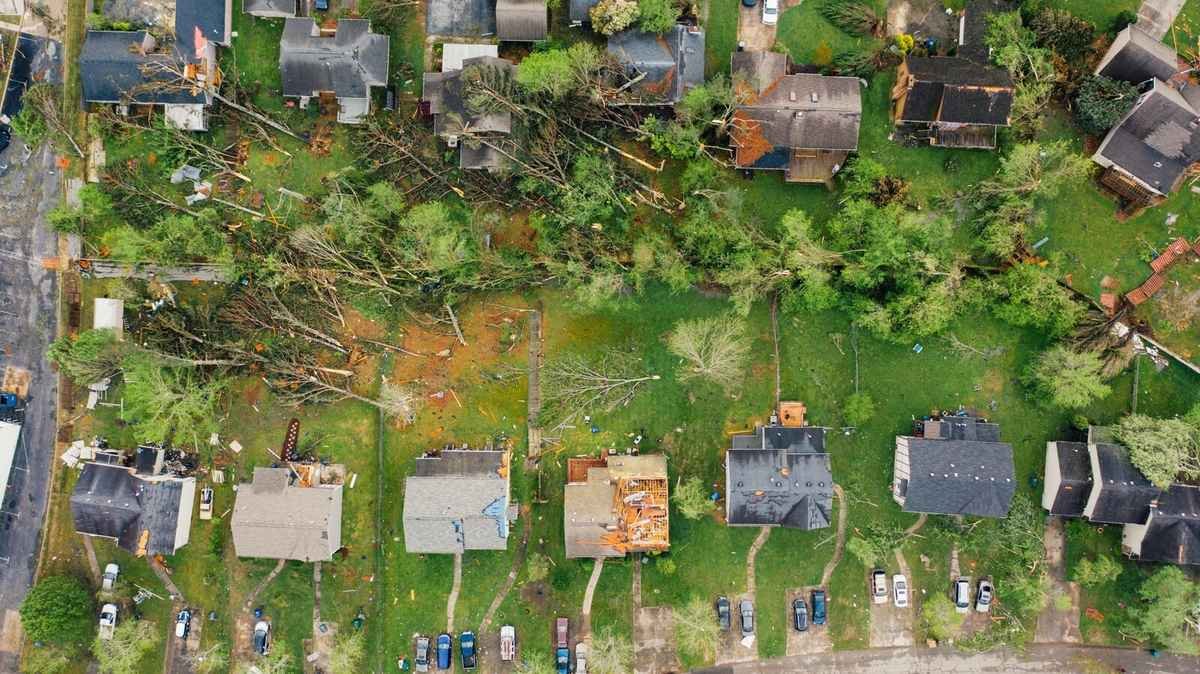
Quick answer: Standard homeowners policies typically cover sudden, accidental damage — a hail strike, a wind event, an ice-dam backup that suddenly stains a ceiling — but generally exclude gradual deterioration or deferred maintenance. Isolated, minor damage is often simpler to handle out of pocket; widespread or clearly storm-related damage is usually worth documenting with your insurer. A licensed local Grand Rapids roofer can document either kind of damage, though only your carrier and adjuster can confirm coverage.
“Sudden and accidental” vs. gradual damage
Most homeowners policies distinguish between sudden, accidental water or storm damage and damage attributed to gradual deterioration, repeated seepage, or lack of maintenance. For a winter ice-dam claim specifically, this is often the central question: was the water intrusion a discrete, sudden backup event, or does it read as a slow, long-standing leak?
The same physical event — meltwater forced under shingles at the eave — can be described either way depending on documentation and timing. That’s exactly why prompt, dated photos framing the event as sudden intrusion matter procedurally, whichever direction you ultimately go. This page explains the factors only; it does not predict how your specific policy or claim will be handled, since that depends on your carrier, your policy language, and your adjuster.
Michigan’s statutory response clock
Under the Michigan Insurance Code (MCL 500.2006), an insurer must specify in writing what constitutes satisfactory proof of loss within 30 days of receiving a claim, and a properly supported claim must generally be paid within 60 days of that proof of loss. Late payment can trigger statutory interest. This is a Michigan-specific timeline, not a guarantee of any particular outcome.
Filing a claim vs. paying out of pocket
Neither path is automatically right. We don’t quote repair costs or predict claim outcomes — those depend on your specific damage and policy.
Filing an Insurance Claim
For damage that appears sudden and storm-related
- Michigan law sets a statutory timeline for the insurer’s response once proof of loss is filed
- Appropriate when damage is widespread or clearly tied to a specific storm event
- Documentation from a licensed roofer can support the claims process
- Requires prompt, dated documentation — delay can complicate a claim
- Coverage depends on your specific policy language and carrier, not on the roofer
- A filed claim may affect future premiums or claims history depending on your carrier
Paying Out of Pocket
Often simpler for minor, isolated repairs
- No claims-process timeline or adjuster coordination to manage
- Avoids a claim on your history for a small, isolated repair
- You control the repair schedule directly
- You bear the repair cost directly rather than the policy sharing it
- Not documented as an insurance event if the same damage recurs or worsens later
- Less appropriate for widespread or clearly storm-caused damage
Documentation checklist, whichever path you choose
- Photograph and date the damage immediately. Time-stamped photos help establish whether an event reads as sudden versus gradual.
- Separate winter ice-dam damage from summer storm damage. Grand Rapids sees two distinct damage seasons — winter ice-dam backup and summer wind/hail, concentrated June through August — and each is typically documented differently.
- Get a licensed roofer’s assessment before deciding. A professional read on cause and extent helps you and, if you file, your adjuster.
- Know the statutory timeline if you do file. Under MCL 500.2006, your insurer has defined windows to respond once proof of loss is submitted.
There’s no universal answer — a single damaged section on an otherwise sound roof is often simpler to handle directly, while widespread or clearly storm-caused damage is usually worth documenting and discussing with your insurer. We help connect you with a licensed roofer to assess and document; we don’t predict how your carrier will handle a claim.
Questions Grand Rapids homeowners ask
Is ice-dam damage typically covered by homeowners insurance?+
It depends on your specific policy and how the damage is characterized. Sudden, accidental water intrusion is more commonly covered than damage attributed to gradual seepage or deferred maintenance. We can’t predict your carrier’s determination — that’s between you, your policy, and your adjuster.
How long does my insurer have to respond once I file a claim?+
Under Michigan’s MCL 500.2006, an insurer generally must specify what constitutes satisfactory proof of loss within 30 days of receiving a claim, and pay a properly supported claim within 60 days of that proof of loss.
Will filing a claim raise my premiums?+
That depends on your carrier and claims history, and we cannot predict it for you. It’s a reasonable question to ask your insurance agent directly before deciding whether to file for a smaller, isolated repair.
What’s the difference between storm damage and ice-dam damage for documentation purposes?+
Storm damage (wind, hail) is typically a discrete event tied to a specific date, concentrated June through August in Grand Rapids. Ice-dam damage is a winter, attic-and-eave mechanism, usually appearing December through March. Insurers often evaluate each differently, so document them separately.
Should I get a roofer’s assessment before contacting my insurer?+
Many homeowners find it helpful to have a licensed roofer document the damage and likely cause first, which can support the discussion with an adjuster. See our documentation guide for a step-by-step approach.
Documentation and next steps
Storm damage help across Grand Rapids
Get it documented by a licensed local roofer
Call now and a licensed West Michigan roofer will assess and document the damage. No phone tag, no obligation, no coverage promises.
Call now for a roofer
Independent dispatch service connecting homeowners with licensed local roofing professionals. We are not a roofing contractor.