What to Do After a Major Snowstorm Hits Your Grand Rapids Roof
A major Grand Rapids snowstorm does not end when the snow stops — it starts a roof-risk clock. Grand Rapids Roofing Pros is an independent dispatch service that connects West Michigan homeowners with licensed local roofers for post-storm inspection and ice dam removal; we do not perform roofing work ourselves.
Call now for a licensed local roofer
Call now and we’ll connect you by phone with the licensed local roofer you’re matched with — no phone tag, no obligation.
Ready to talk to someone about your roof?
Call to reach the licensed local roofer you’re matched with in Grand Rapids & West Michigan.
Call (901) 704-8932When you call, stay on the line for a few seconds while we match you with the licensed local roofer for your area. Have your address and a quick description of the problem ready.
We connect homeowners with independent licensed roofing professionals in the Grand Rapids area. We are not a licensed contractor and do not perform roofing work ourselves.
Quick answer: the first 24–48 hours after a major snowstorm
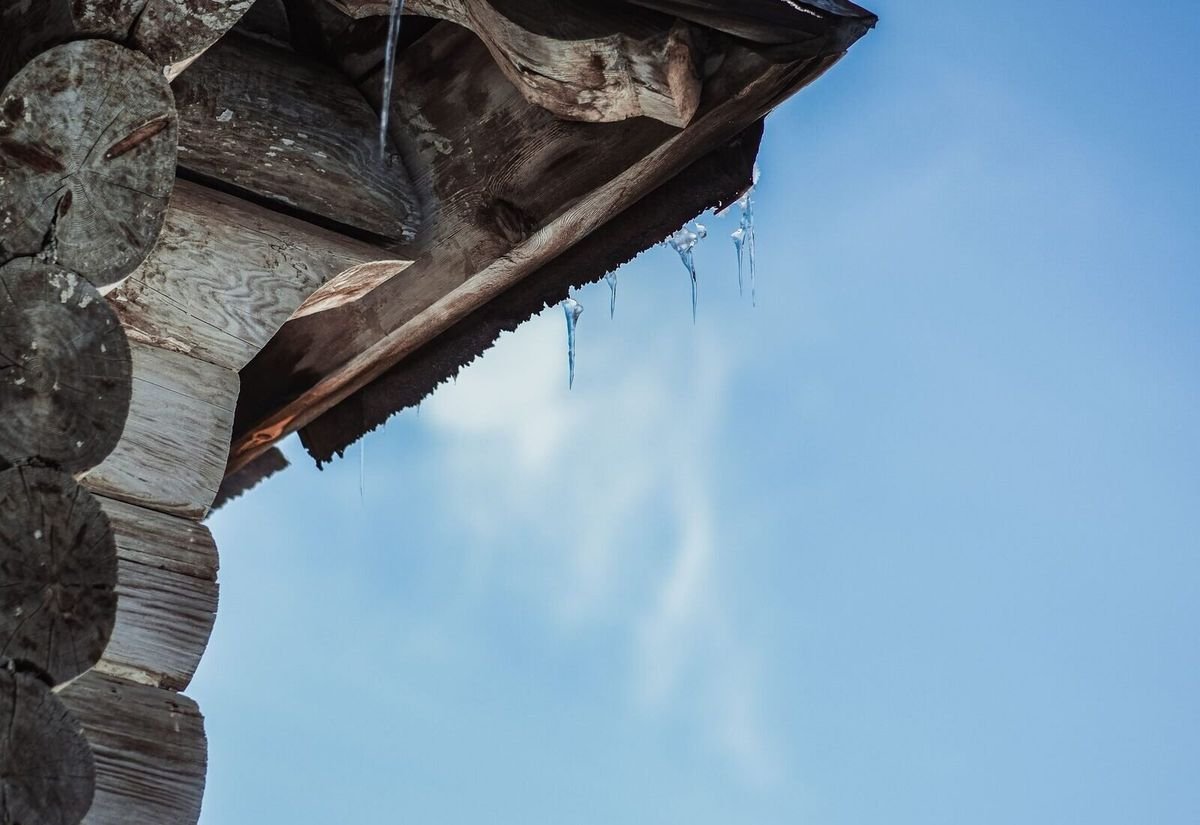
From the ground, look for uneven snow melt on the roof (a sign of heat loss underneath), new icicles or an ice ridge at the eaves, sagging on porch or garage roofs, and gutters pulling away from the fascia under the added weight. Do not climb onto the roof yourself; a snow- or ice-covered roof is one of the more dangerous places a homeowner can be in winter. An active ice ridge or interior ceiling staining is the point to get matched with a licensed local roofer.
Why does the checklist change after a major storm specifically?
Grand Rapids already holds a standing snowpack of 5 inches or more roughly 28.7 days a year on average — a major storm doesn’t start that condition, it intensifies it. A fresh, heavy accumulation on top of an existing pack adds real weight, and it can insulate the layers below in a way that changes how quickly attic heat reaches the roof surface, sometimes leaving a roof plane visibly overloaded on porch or garage sections. That is why the days right after a big storm are exactly when melt-refreeze cycling at the eaves tends to accelerate, and why it is worth having a licensed roofer look rather than waiting it out.
For the underlying mechanism, see our flagship guide on how ice dams form in West Michigan, and for the seasonal backdrop, our month-by-month snowfall roof risk calendar.
Ground-level checklist
- Look for uneven melt patterns across the roof
- Check for new icicles or an eave ice ridge
- Watch porch, garage, and low-slope roof sections for sagging
- Check gutters and downspouts for separation or bowing
- Look inside for new ceiling staining near exterior walls
Normal winter roof, or time to call someone?
Most snow-covered roofs in a Grand Rapids winter are simply doing what they’re supposed to do. These are the signals that separate a normal roof from one worth a closer look.
Worth a licensed inspection
- An active ice ridge visibly building at the eaves
- New or spreading interior ceiling staining
- Visible sagging on any roof plane
- Gutters pulling away from the roofline
- Recurring staining in the same spot as a prior winter
Usually just winter
- An even, undisturbed blanket of snow
- Small icicles along the eave with no interior staining
- Snow that slides off gradually as temperatures rise
- No change in roofline shape compared to before the storm
Is it safe to remove snow or ice from my roof after a storm?
Grand Rapids winters put real snow load on a roof for real stretches of time — which is also exactly why DIY roof-snow removal is one of the more common sources of winter home-injury calls.
NOAA/NCEI average days per year with 5 inches or more of snow depth locally.
December, January, and February carry roughly 60″+ of the metro’s average annual snowfall.
Ice-covered ladders and roof edges are a leading source of winter fall injuries for homeowners.
Ground-level checks and a licensed roofer for anything active are the safer path.
Snowfall and snowpack figures: NOAA/NCEI Climate Normals (1991–2020), Gerald R. Ford International Airport, cross-checked against the National Weather Service Grand Rapids office.
Questions Grand Rapids homeowners ask
What should I check on my roof after a major snowstorm?+
From the ground: uneven snow melt patterns, new icicles or an ice ridge forming at the eaves, sagging on any roof plane (especially porches and garages), gutters separating from the fascia, and any new interior ceiling staining near exterior walls.
Is it safe to remove snow from my roof myself?+
We don’t recommend it. Snow- and ice-covered roofs and ladders are a common source of winter fall injuries. A licensed local roofer has the equipment and experience to remove snow and ice safely, including steam-based ice dam removal that doesn’t damage shingles.
How much snow load can a Grand Rapids roof handle?+
Michigan-code-compliant roofs are engineered for regional snow loads, but visible sagging, new interior staining, or unusual creaking sounds after a heavy storm are signals worth a licensed inspection rather than an assumption either way.
How soon after a snowstorm should I have my roof checked?+
If you see an active ice ridge, new interior staining, or visible sagging, reach out promptly. If the roof just has a normal, even snow covering with no interior signs of trouble, it’s generally fine to monitor rather than schedule an emergency visit.
Does Grand Rapids Roofing Pros remove snow or ice from roofs?+
We are an independent dispatch service. We connect West Michigan homeowners with licensed local roofers who perform snow and ice dam removal directly; we do not perform roofing work ourselves.
Post-storm roof help across Grand Rapids & West Michigan
Part of the broader West Michigan roofing resource from Grand Rapids Roofing Pros.
Continue the seasonal series
Get matched with a licensed West Michigan roofer
Call now and we’ll connect you with a licensed local roofer for a post-storm inspection or ice dam removal. No phone tag, no obligation.
Call now for a roofer
Independent dispatch service connecting homeowners with licensed local roofing professionals. We are not a roofing contractor.