What Happens During Professional Ice Dam Removal in Grand Rapids
Professional ice dam removal in Grand Rapids follows a specific sequence — assessment, safe steam removal, drainage, and an attic-side diagnosis — built around the way West Michigan’s lake-effect snowpack actually causes damage. Grand Rapids Roofing Pros is an independent dispatch service that connects homeowners with licensed local roofers, so here is exactly what to expect once one arrives.
Call now for a licensed local roofer
Call now and we’ll connect you by phone with the licensed local roofer you’re matched with — no phone tag, no obligation.
Ready to talk to someone about your roof?
Call to reach the licensed local roofer you’re matched with in Grand Rapids & West Michigan.
Call (901) 704-8932When you call, stay on the line for a few seconds while we match you with the licensed local roofer for your area. Have your address and a quick description of the problem ready.
We connect homeowners with independent licensed roofing professionals in the Grand Rapids area. We are not a licensed contractor and do not perform roofing work ourselves.
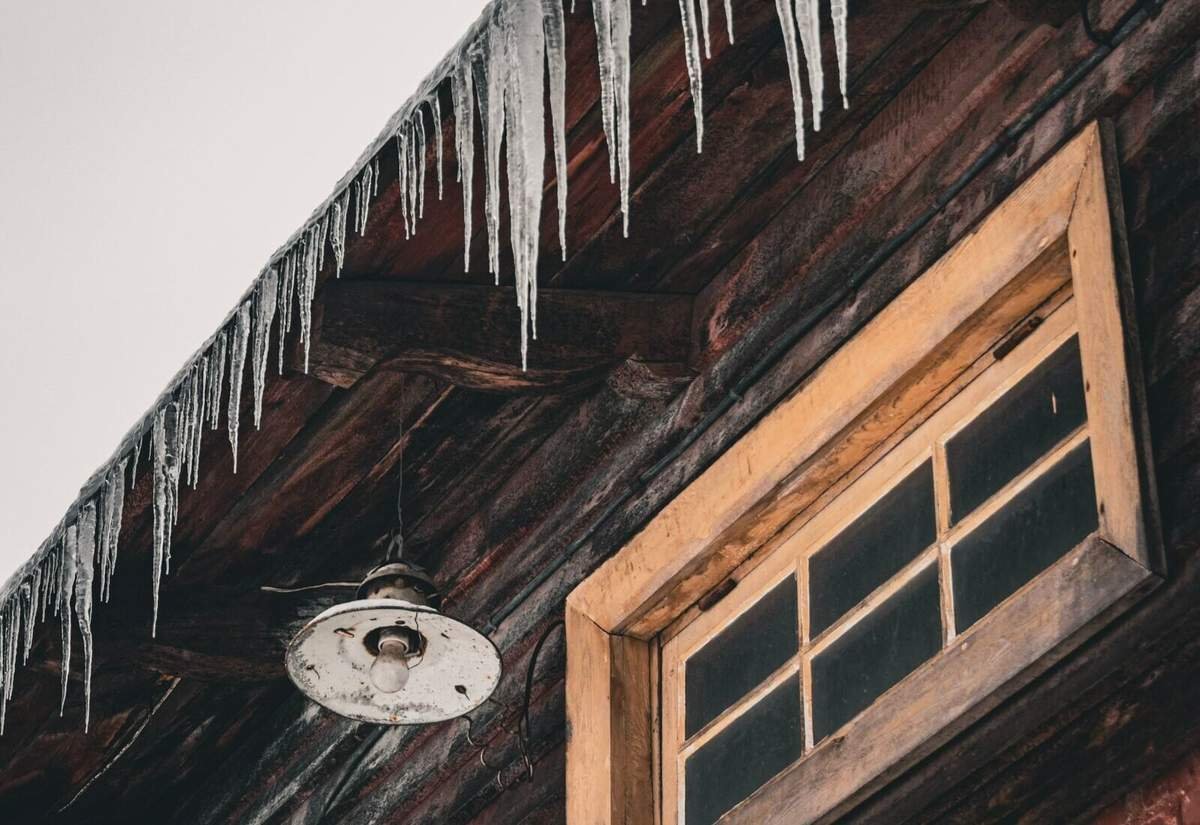
The professional ice dam removal process, in short
A licensed Grand Rapids roofer starts with an on-site assessment of the eaves, valleys, and any active leak, then removes the dam with low-pressure steam so channels open and trapped meltwater can drain instead of backing up under the shingles. Because the dam is a symptom of attic heat loss (INS-ICE-05), the visit typically ends with an attic-side look at insulation, air-sealing, and ventilation — the part that determines whether the same dam returns at the next thaw.
What to have ready before a licensed roofer arrives
Note where you’re seeing water — which ceiling, which exterior wall, whether it lines up with an eave, valley, or dormer. Photograph any staining and icicles at the roofline with a timestamp; that documentation helps the roofer and can matter if you later pursue an insurance conversation.
Clear a path to your attic access if it’s safe to do so, and avoid climbing onto the roof or ladder yourself. Ice at the eaves sits above the most hazardous surface on the house, and a licensed roofer has the equipment to work there safely.
What a roofer will ask you
- When the stain or drip first appeared, and whether it changes with warmer days.
- Which side of the roof and which floor of the home is affected.
- Whether ice or icicles are visible along the eaves right now.
- The approximate age of your roof and last known re-shingle date.
The five stages of a professional ice dam removal visit
On-site assessment
The roofer walks the roofline (or inspects from a ladder/lift where needed) to confirm active ice-dam formation at the eaves, valleys, or roof-to-wall intersections, and checks whether water is actively entering the home.
Low-pressure steam removal
Steam — not chipping, hammers, or hot water at high pressure — melts the ice ridge without gouging shingles or the eave underneath. This is the industry-standard method for Grand Rapids’ asphalt-shingle roofs.
Clearing drainage channels
Once the dam is opened, the roofer clears channels so meltwater can run off the eave rather than pool and back up under the shingle field again before the next freeze.
Eave and flashing check
With the ice cleared, the eaves, valleys, and flashing are visible for a check on existing damage and whether an ice-and-water shield membrane (Michigan code R905.1.2) is present.
Attic-side diagnosis
Because the root cause is heat loss into the attic, the visit typically includes a look at insulation depth, air-sealing, and soffit-to-ridge ventilation, with recommendations for what would stop the dam recurring.
Why steam removal, not shortcuts, is the standard here
Grand Rapids’ winter climate makes the removal method itself part of the fix, not just cosmetic.
The pack doesn’t melt off fast
Grand Rapids averages about 28.7 days a year with 5″+ of snow on the ground and 8.3 days with 10″+, concentrated in January and February. A roof may need more than one removal visit across a long, snow-holding winter.
Chipping causes the damage it’s meant to fix
Hammers, axes, or ice picks can gouge shingles and the eave membrane underneath, turning a water problem into a roof-repair problem. Steam avoids that risk entirely, which is why licensed roofers use it as standard practice.
Removal alone doesn’t end the pattern
Winter ceiling stains in Grand Rapids are frequently traced to ice-dam backup rather than shingle failure. Removing the ice stops today’s water; only the attic-side diagnosis addresses why it formed.
Sources: MSU Extension, ice dam prevention and attic heat-loss mechanism; Current Results / NOAA-NCEI climate normals, Grand Rapids snow-depth accumulation; City of Grand Rapids Roof Assembly Requirements (Michigan Residential Code R905.1.2).
Questions Grand Rapids homeowners ask
How long does an ice dam removal visit take?+
It varies with the size and severity of the dam, but a typical residential visit for assessment, steam removal, and drainage clearing runs a few hours. The attic-side diagnosis adds time if insulation or ventilation issues need a closer look.
Will the roofer go inside my attic?+
Often, yes, if it’s safely accessible. Checking insulation depth, air-sealing at penetrations, and ventilation from inside the attic is how a roofer identifies the heat-loss cause rather than just treating the visible ice.
Do I need to be home during the removal?+
Most of the exterior steam-removal work happens outside, but being home is useful if the roofer needs attic access or wants to walk you through findings and next steps in person.
What happens if the roofer finds active interior water damage?+
They’ll typically point you toward documenting it (photos, dates) for your own insurer and may flag it as part of the attic-side diagnosis. We connect you with a licensed roofer; we don’t make coverage determinations ourselves.
Professional ice dam removal across Grand Rapids & Kent County
We connect homeowners with licensed roofers throughout the Grand Rapids metro and surrounding West Michigan communities.
More ice dam guides for Grand Rapids homeowners
Get matched with a licensed Grand Rapids roofer
Call now and we’ll connect you with a licensed West Michigan roofer for safe steam removal and an attic-side diagnosis. No phone tag, no obligation.
Call now for a roofer
Independent dispatch service connecting homeowners with licensed local roofing professionals. We are not a roofing contractor.