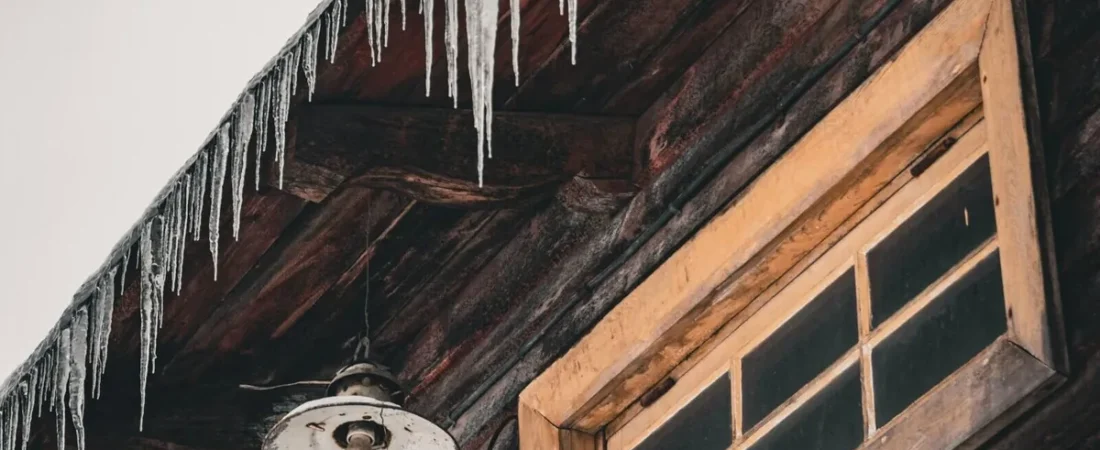
Heat cables help at specific trouble spots — a shaded north eave, a valley, a dormer that dams up every winter — but they treat the symptom, not the cause. They melt narrow drainage channels through an ice dam so trapped meltwater can escape; they do not stop the attic heat loss that builds the dam. In Grand Rapids’ lake-effect climate they work best as a targeted backstop alongside air-sealing, insulation, and ventilation.
Ready to talk to someone about your roof?
Call to reach the licensed local roofer you’re matched with in Grand Rapids & West Michigan.
Call (901) 704-8932When you call, stay on the line for a few seconds while we match you with the licensed local roofer for your area. Have your address and a quick description of the problem ready.
Every January, heat cables start showing up on Grand Rapids rooflines — those zigzag wires clipped along the eaves of homes that fight ice dams year after year. They are one of the most-asked-about ice dam products, and also one of the most misunderstood. Here is what they genuinely do, where they earn their keep on a West Michigan roof, and where they quietly waste effort and electricity.
What Are Roof Heat Cables and How Do They Work?
Heat cables (also sold as heat tape or de-icing cables) are electric resistance wires installed in a zigzag pattern along the lower few feet of a roof, and often run through gutters and downspouts as well. When powered on, they warm the surface around them enough to melt narrow channels through snow and ice. Self-regulating versions adjust their output with temperature; cheaper constant-wattage versions run at full draw whenever they are switched on.
The key word is channels. Heat cables do not keep a roof edge clear — they melt drainage paths through the ice so that meltwater trapped behind a dam has somewhere to go instead of backing up under the shingles.
Do Heat Cables Actually Prevent Ice Dams?
No — and this is the honest limitation to understand before buying them. Ice dams form when warm attic air melts the underside of the snowpack and the meltwater refreezes at the cold eave. MSU Extension identifies insulation, air-sealing, and attic ventilation as the package that actually prevents that cycle. Heat cables do not touch any of those three things: the attic keeps leaking heat, the snowpack keeps melting from below, and the eave keeps refreezing everything that reaches it.
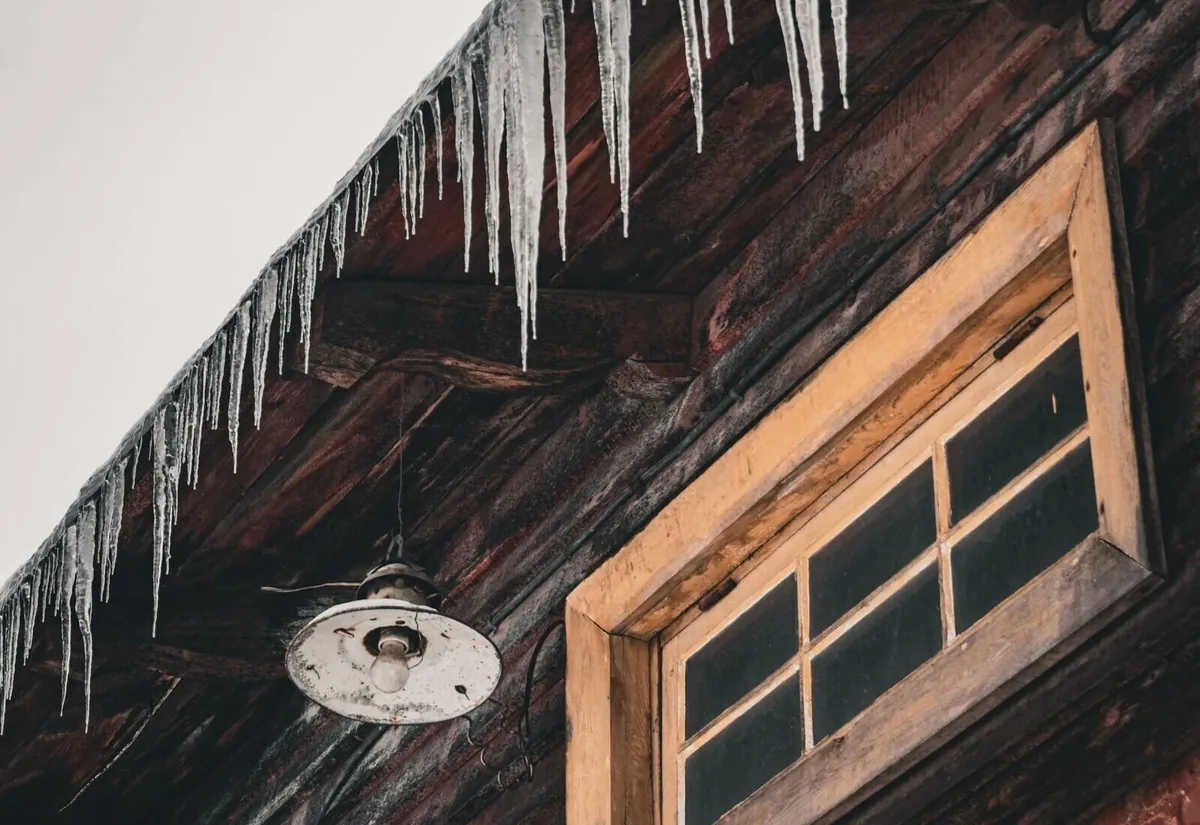
What cables can do is manage the symptom. In a Grand Rapids winter — where the bulk of the area’s roughly 77 inches of annual snow is concentrated in December through February (NOAA climate normals) — a melted drainage channel at a chronic trouble spot can be the difference between an ugly ice ridge that drains harmlessly and one that pushes water into a bedroom ceiling.
Where Heat Cables Make Sense on a Grand Rapids Roof
- Chronic problem eaves — a shaded, north-facing eave that builds a dam every single winter even after attic improvements.
- Complex roof geometry — valleys, dormers, and roof-to-wall steps that concentrate meltwater, common on older Heritage Hill-era homes and newer multi-plane builds alike.
- Roofs where the attic fix is limited — cathedral ceilings, finished attic rooms, and low-clearance eave bays that cannot be air-sealed or ventilated to the ideal standard.
- Frozen gutters and downspouts — cable runs that keep a drainage path open so the gutter half of ice dam prevention can actually do its job.
What Heat Cables Cannot Fix
Cables will not save a roof whose eave ice-and-water membrane is missing or failed — water that gets past the shingles still finds the deck. They will not stop deck-wide melt-refreeze wear, and they add an operating cost all winter plus some maintenance: clips loosen, cables sag, and a badly installed run can lift or abrade shingle edges. They are a management tool, not a repair.
Heat Cables or Attic Fixes: Which Comes First?
Attic first, almost always. Air-sealing the ceiling plane, topping up insulation, and balancing soffit-to-ridge airflow attacks the reason dams form — the approach covered in our guide to attic ventilation and ice dam prevention in Grand Rapids. Many homeowners who fix the attic properly find they never need cables at all. Cables earn their place afterward, on the specific spots that still misbehave.
Self-Regulating or Constant-Wattage: Which Type Fits West Michigan?
If cables make sense for your roof, the type matters more than the brand. Self-regulating cable increases output as the temperature drops and throttles back as it warms, which suits Grand Rapids’ yo-yo freeze-thaw pattern — the cable works hard during the refreeze nights that build dams and idles through the midday melts. Constant-wattage cable is cheaper up front but runs at full output whenever it is on, which in a climate with this many marginal-temperature days means either babysitting a switch or paying for heat the roof does not need. Self-regulating cable also tolerates being overlapped and crossed in gutters without overheating, which is exactly where Grand Rapids installs tend to need it. For a roof that only dams in one spot, a short self-regulating run on a controller is the configuration that earns its keep.
When Should Heat Cables Go In?
Fall — before the first lake-effect event, and ideally at the same time as a fall roof inspection. Installing cables on a snow-covered or iced roof is slow, unsafe, and usually means the dam already beat you to it. A licensed local roofer can route and clip cables correctly in an afternoon during dry weather, and confirm the eave membrane and gutters underneath are worth protecting in the first place.
Already seeing ice ridges or icicle walls at your eaves? Get matched with a licensed, insured local roofer for ice dam removal in Grand Rapids — free matching, no obligation.

FAQ
Do heat cables damage shingles?
Properly clipped, self-regulating cables installed on a dry roof rarely cause damage. Problems come from sloppy installs: over-tight clips, cables run under shingle edges, or constant-wattage cable left baking on a warm spring roof. The licensed local roofer you are matched with can route them so shingles and warranty both survive.
Should heat cables run all winter?
No. They are most useful during and just after heavy snowfall and during melt-refreeze swings. Running them around the clock all season wastes electricity without melting anything useful. A thermostat or moisture-plus-temperature controller switches them on only when conditions call for it.
Do heat cables work inside gutters and downspouts?
Yes, and for Grand Rapids homes with chronically frozen gutters this is often their best use. A cable run through the gutter and down the downspout keeps a drainage path open so meltwater leaves the roof instead of refreezing into the base of a new dam.
Are heat cables a permanent ice dam solution?
No. They manage the symptom at specific spots. The lasting fix is stopping attic heat loss with air-sealing, insulation, and balanced ventilation, with cables kept as a backstop for stubborn areas of the roof.
Grand Rapids Roofing Pros is a free referral and matching service. We are not a licensed roofing contractor and do not perform roofing work ourselves. All work is performed by independent, licensed and insured local roofing contractors. This article is general educational information, not an engineering or code determination for any specific roof.