Fall Roof Inspection Checklist for Grand Rapids Homes
A fall roof inspection in Grand Rapids is only as useful as what it actually checks. The highest-value version isn’t a five-minute look at the shingles from the driveway — it’s an attic-inclusive check of insulation, air-sealing, and soffit-to-ridge ventilation, timed to finish before Grand Rapids’ snow concentrates hard into December through February. Grand Rapids Roofing Pros is an independent dispatch service that matches homeowners with licensed local roofers for this exact kind of pre-winter check.
Call now for a licensed local roofer
Call now and we’ll connect you by phone with the licensed local roofer you’re matched with — no phone tag, no obligation.
Ready to talk to someone about your roof?
Call to reach the licensed local roofer you’re matched with in Grand Rapids & West Michigan.
Call (901) 704-8932When you call, stay on the line for a few seconds while we match you with the licensed local roofer for your area. Have your address and a quick description of the problem ready.
We connect homeowners with independent licensed roofing professionals in the Grand Rapids area. We are not a licensed contractor and do not perform roofing work ourselves.
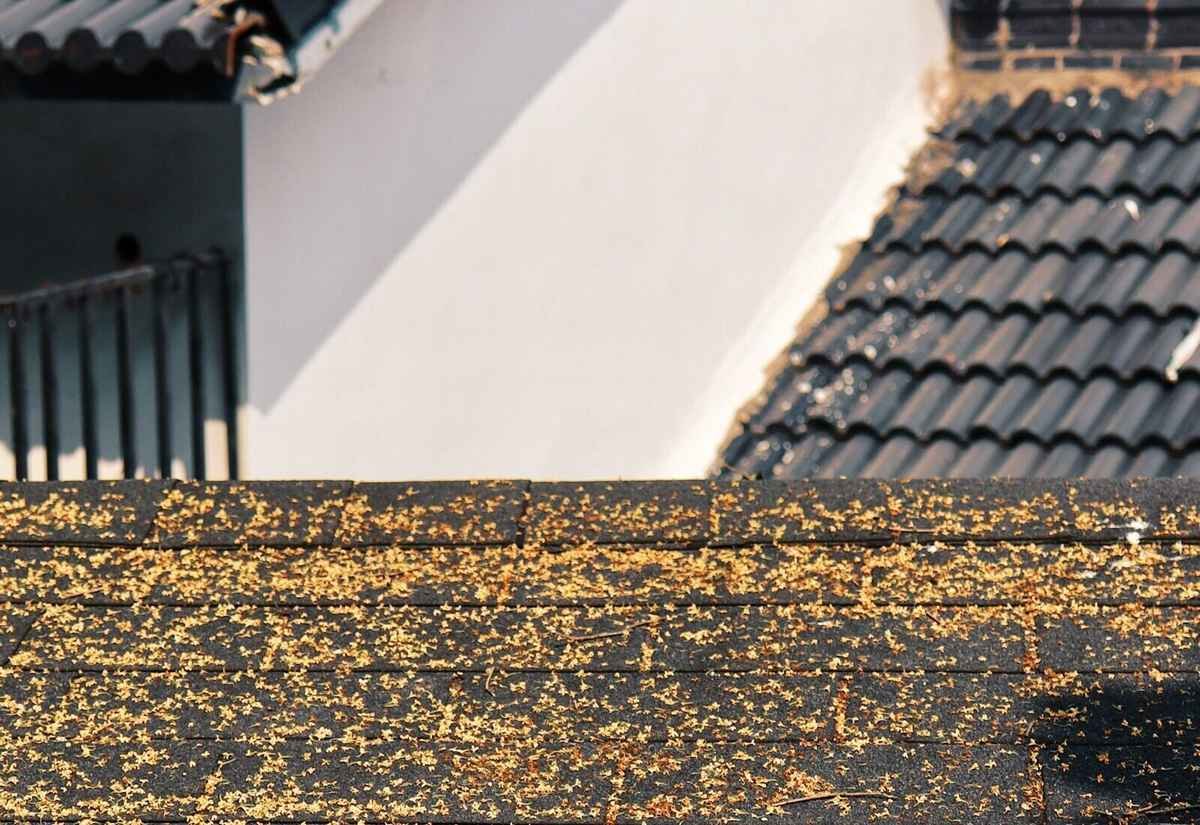
Quick answer: what a Grand Rapids fall roof inspection should cover
A genuinely useful fall roof inspection for a Grand Rapids home checks four things, not one: the attic (insulation depth and air-sealing at penetrations), ventilation (soffit-to-ridge airflow), the eaves (ice-barrier coverage under Michigan code), and the roof surface itself (flashing, valleys, worn or lifted shingles). Doing this before the December snowpack sets in is what actually prevents ice dams — a fall, attic-inclusive check is the single highest-value inspection a West Michigan homeowner can schedule.
Why does timing matter for a Grand Rapids roof inspection?
Grand Rapids doesn’t spread its snow evenly across winter — it front-loads. December averages 20.8 inches, January 22.6 inches, and February 17.2 inches, meaning the three coldest months carry roughly 60 of the city’s 77.6 average annual inches. Once that window opens, a standing snowpack sits on the roof for weeks at a time (Grand Rapids averages 28.7 days a year with 5 inches or more of snow depth on the ground). An inspection scheduled in October or early November is the last realistic chance to catch an attic or eave problem before it has weeks of standing snow to work with.
Scheduling late doesn’t just mean a colder inspection — it means any fix identified has to compete with an active snowpack instead of bare shingles, which is exactly the situation the roof inspection service is built to get ahead of.
This fall, check these four zones
- Attic: insulation depth and air-sealing at penetrations
- Ventilation: soffit-to-ridge airflow balance
- Eaves: ice-barrier membrane coverage
- Surface: flashing, valleys, and shingle condition
What does the checklist actually cover?
Six zones, worked in order from the attic out to the roof surface — the same order the root cause of most Grand Rapids winter leaks actually follows.
Attic insulation & air-sealing
Check insulation depth and seal gaps at can lights, the attic hatch, and plumbing or duct penetrations — the leading source of the warm-attic air that melts snow from below.
Soffit-to-ridge ventilation
Confirm intake at the soffits and exhaust at the ridge are balanced, so any heat that does escape gets flushed out before it warms the roof deck.
Eave ice-barrier coverage
Michigan code requires an ice-and-water membrane at the eaves of every new roof. Many older Grand Rapids homes predate that requirement — a fall check is the time to confirm it’s there.
Gutters & downspouts
Clear gutters let meltwater actually leave the roof instead of pooling at the eave, where a growing ice ridge starts.
Valleys & flashing
Roof valleys and chimney or dormer intersections concentrate snow and ice — worth a close look before they’re buried under a season of snow.
Roof surface condition
Missing, curling, or granule-bare shingles found in fall are far easier to address than the same damage discovered mid-winter under snow.
How much snow is a Grand Rapids roof actually built to handle every winter?
The fall inspection window exists because of a specific, documented snow pattern — not a general seasonal habit.
Average annual snowfall at Gerald R. Ford International Airport (NOAA climate normals, 1991–2020).
Falls in December (20.8″), January (22.6″) and February (17.2″) — the window a fall inspection has to beat.
Average days per year with 5 inches or more of standing snow depth, mostly January–February.
Average days per year with a 10-inch-plus standing pack — the raw material an ice dam needs to keep growing.
It’s the standing snow cover, not any single storm, that turns an unchecked attic into an ice dam over weeks of exposure. Sources: Current Results — Grand Rapids snowfall and snow-depth data (NOAA/NCEI Climate Normals, GRR).
What does a surface-only look miss that an attic-inclusive check catches?
The difference isn’t effort — it’s where the inspection actually looks.
A surface-only look
- Checks shingles from the ground or a ladder
- Skips the attic entirely
- Can’t confirm ice-barrier coverage at the eaves
- Misses air leaks that drive winter ice dams
An attic-inclusive check
- Measures insulation depth and finds air leaks
- Confirms soffit-to-ridge ventilation balance
- Verifies eave ice-barrier coverage against code
- Flags the exact conditions that cause ice dams — before winter
What should a Grand Rapids homeowner prioritize this fall?
If time is short, these three items carry the most weight toward preventing a winter ice dam.
Air-seal before you insulate
Sealing gaps at light fixtures, the attic hatch, and plumbing chases does more to stop attic heat loss than adding insulation alone. See the full attic ventilation guide for how the two work together.
Confirm the eave ice barrier
If your home predates the current code, or you’re not sure, this is worth confirming in fall. Read what Michigan code actually requires at the eaves.
Understand the full mechanism
Knowing why ice dams form makes the checklist make sense. Start with how ice dams form on Grand Rapids roofs, then work through the full prevention checklist.
Questions Grand Rapids homeowners ask about fall roof checks
When should I schedule a fall roof inspection in Grand Rapids?+
Ideally in October or early November, before Grand Rapids’ snow concentrates into the December–February window that carries roughly 60 of the city’s 77.6 average annual inches. Scheduling before that window closes leaves time to address anything the inspection finds while the roof is still bare.
Does a fall inspection really need to include the attic?+
Yes. The conditions that cause ice dams — escaping attic heat, thin insulation, unbalanced ventilation — are only visible from inside the attic, not from the roof surface. A surface-only check can miss the exact problem a fall inspection exists to catch.
What’s the eave ice barrier, and why does an inspector check for it?+
It’s a self-adhering membrane Michigan code requires at the eaves of new or replacement roofs, specifically because ice dams are an expected regional failure mode. Many older Grand Rapids homes were roofed before this requirement existed, so confirming coverage is a standard fall-check item.
Can a fall inspection catch problems that cause ice dams later?+
That’s the point of an attic-inclusive check. Air leaks, thin insulation, and unbalanced ventilation are the specific mechanism behind most Grand Rapids ice dams, and all three are identifiable in a fall inspection, well before any snow is on the roof.
How is a fall inspection different from a storm-damage inspection?+
A storm-damage inspection responds to a specific event — wind, hail, a leak. A fall inspection is preventive and proactive, timed to the calendar rather than an incident, and it’s built around the attic-and-eave conditions that predict winter problems rather than diagnosing damage that’s already happened.
Fall inspection help across Grand Rapids & Kent County
We connect homeowners with licensed roofers throughout the Grand Rapids metro and surrounding West Michigan communities.
Continue the seasonal maintenance series
Get matched with a licensed Grand Rapids roofer for a fall check
Call now and we’ll connect you with a licensed West Michigan roofer for an attic-inclusive fall inspection. No phone tag, no obligation.
Call now for a roofer
Independent dispatch service connecting homeowners with licensed local roofing professionals. We are not a roofing contractor.