Asphalt vs. Metal Roofing for Grand Rapids’ Lake-Effect Snow
Asphalt vs. metal roofing in Grand Rapids comes down to how each material handles the same regional load: 77.6 inches of average annual snowfall and roughly 28.7 days a year with a standing 5-inch-plus snowpack. Both materials are legal and code-compliant here — they just manage that standing snow through opposite mechanisms. Grand Rapids Roofing Pros is an independent dispatch service that connects homeowners with licensed local roofers who install both.
Call now for a licensed local roofer
Call now and we’ll connect you by phone with the licensed local roofer you’re matched with — no phone tag, no obligation.
Ready to talk to someone about your roof?
Call to reach the licensed local roofer you’re matched with in Grand Rapids & West Michigan.
Call (901) 704-8932When you call, stay on the line for a few seconds while we match you with the licensed local roofer for your area. Have your address and a quick description of the problem ready.
We connect homeowners with independent licensed roofing professionals in the Grand Rapids area. We are not a licensed contractor and do not perform roofing work ourselves.
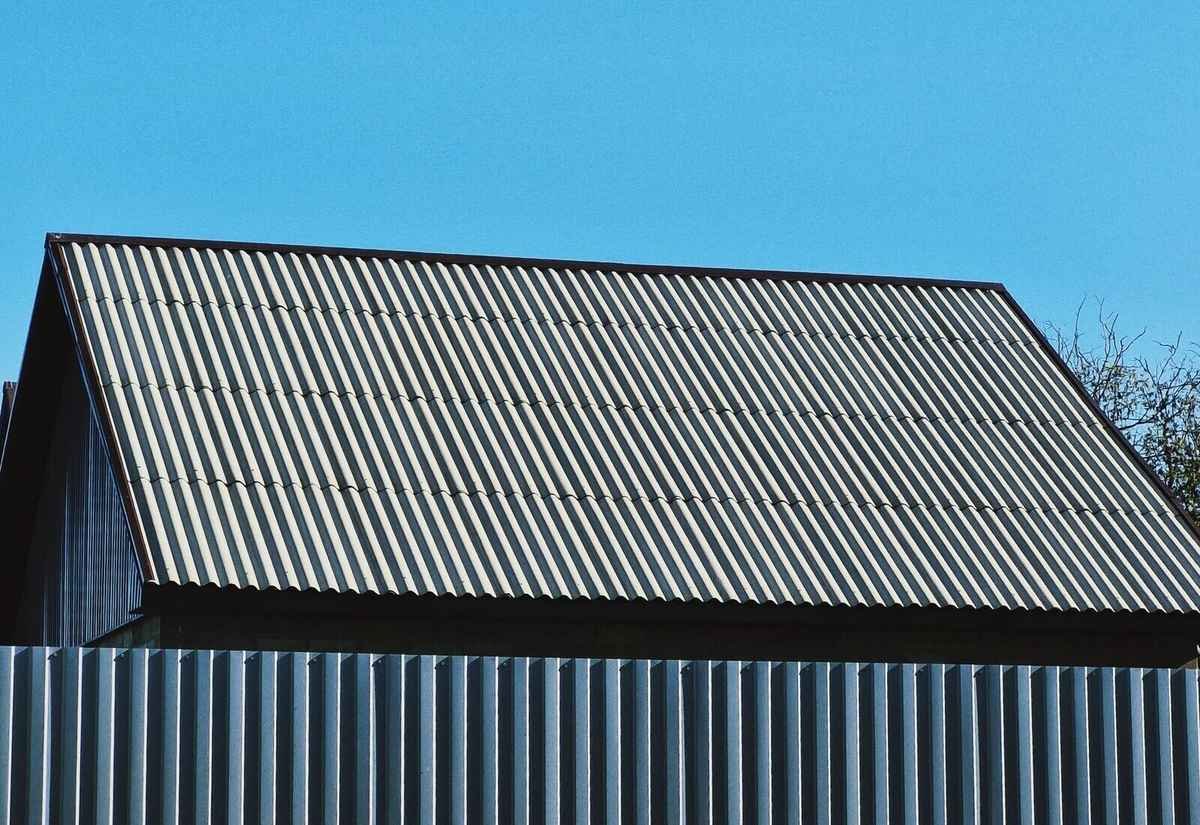
Quick answer: asphalt or metal for Grand Rapids snow?
Quick answer: Both asphalt and metal are legal, code-compliant choices for a Grand Rapids roof; they just manage the region’s winter snowpack differently. Metal’s smooth panel surface sheds snow continuously, limiting how long a pack sits at the eave feeding an ice dam. Asphalt holds snow in place and relies on the mandatory eave ice barrier, not the shingle material itself, to keep meltwater out. A licensed local roofer can weigh your roof’s pitch and complexity to recommend either material.
Same code, same snow load, opposite strategies
Michigan’s R905.1.2 ice-barrier requirement explicitly lists metal roof shingles among the covered roof types — a metal roof here still needs the eave ice-and-water membrane, exactly like asphalt. The requirement doesn’t go away because the surface material sheds snow better.
What changes is what happens above that membrane. Metal’s slick panel surface continuously releases snow instead of holding it, so a standing pack has less time to build the deep eave ice ridge that drives ice-dam backup. Asphalt’s textured shingle mat holds the pack in place through Grand Rapids’ documented 28.7-day average standing-snow window, which is exactly why the ice barrier underneath matters so much on an asphalt roof. Asphalt also remains the more familiar, widely available material for most West Michigan roofers, which keeps installation and repair costs more predictable than a metal system.
What doesn’t change between the two
- Both require the eave ice barrier under Michigan code, full stop.
- Both need adequate attic insulation and ventilation to limit ice-dam risk in the first place.
- Neither material eliminates ice dams entirely on a roof with poor attic conditions.
Asphalt shingles vs. metal roofing
Performance and maintenance factors only — we don’t quote installed pricing, since costs vary by roof size, pitch, and contractor.
Asphalt Shingles
The default choice on most Grand Rapids homes
- Widely installed locally, with familiar repair and replacement processes
- Architectural/dimensional shingles run roughly 25–30 years locally with proper ventilation
- Easy to match on partial repairs without re-covering the whole roof
- Holds the standing snowpack in place rather than shedding it
- Standard 3-tab shingles run closer to 15–20 years locally — several years short of milder-climate lifespans
- Relies entirely on the eave ice barrier to manage meltwater, since the shingle field itself doesn’t shed snow
Metal Roofing
A snow-shedding alternative, less common locally
- Continuously sheds standing snow instead of holding it at the eave
- Limits how long a pack sits and feeds ice-dam formation
- Long service life with minimal surface maintenance
- Still requires the same code-mandated eave ice barrier — no exemption
- Fewer local installers specialize in it compared to asphalt
- Shedding snow off the roof can create hazards below eaves and walkways if not planned for
Questions to weigh before you decide
- How complex is your roofline? A roof with many valleys and dormers concentrates snow regardless of material — metal’s shedding advantage matters more here than on a simple gable roof.
- Where will shed snow land? Metal roofs release snow in sheets; if that lands over a walkway or entry, snow guards or a different material may be worth discussing.
- Are you repairing a section or replacing the whole roof? Asphalt is generally easier to match for a partial repair down the road.
- How long do you plan to own the home? Metal’s longer service life matters more for a long-term hold than a near-term sale.
Neither material is objectively superior for Grand Rapids winters — both are code-compliant and both depend on the same eave ice barrier working correctly. Metal has a real snow-shedding advantage; asphalt has familiarity, easier partial repairs, and broader local installer availability. A licensed roofer can walk your specific roof and tell you which tradeoff fits best.
Questions Grand Rapids homeowners ask
Does metal roofing still need the ice barrier Michigan requires?+
Yes. Michigan’s R905.1.2 code explicitly lists metal roof shingles among the roof types that require the eave ice-and-water membrane. Metal’s snow-shedding ability doesn’t exempt it from the code requirement.
Does metal roofing eliminate ice dams?+
No. Metal reduces how long snow sits at the eave, which can lower ice-dam risk, but a roof with poor attic insulation or ventilation can still develop ice dams under metal panels, just as it can under asphalt.
Is asphalt a bad choice for Grand Rapids winters?+
Not at all — it’s the dominant local choice for a reason. As long as the eave ice barrier is properly installed and the attic is adequately insulated and ventilated, asphalt performs reliably here, just through a different mechanism than metal.
Can I mix materials, like metal on a low-slope section and asphalt elsewhere?+
It’s possible on some roof geometries, though it adds complexity at the transition points. A licensed roofer can tell you whether it makes sense for your specific roofline.
Which lasts longer in a Michigan climate?+
Metal roofing generally has a longer service life than asphalt shingles. Architectural asphalt shingles installed with proper ventilation run roughly 25–30 years locally, versus roughly 15–20 years for standard 3-tab shingles.
Go deeper on materials
Roof replacement across Grand Rapids
Get a licensed roofer’s take on asphalt vs. metal
Call now and a licensed West Michigan roofer will walk your roofline and help you weigh both materials. No phone tag, no obligation.
Call now for a roofer
Independent dispatch service connecting homeowners with licensed local roofing professionals. We are not a roofing contractor.