Emergency Roof Tarping in Grand Rapids, MI
Emergency roof tarping in Grand Rapids is a temporary, waterproof cover installed over an active leak or storm-exposed section of roof to stop water intrusion until a permanent repair can happen. Grand Rapids Roofing Pros is an independent dispatch service that connects homeowners with licensed local roofers for emergency tarping and the permanent fix that follows.
Call now for a licensed local roofer
Call now and we’ll connect you by phone with the licensed local roofer you’re matched with — no phone tag, no obligation.
Ready to talk to someone about your roof?
Call to reach the licensed local roofer you’re matched with in Grand Rapids & West Michigan.
Call (901) 704-8932When you call, stay on the line for a few seconds while we match you with the licensed local roofer for your area. Have your address and a quick description of the problem ready.
We connect homeowners with independent licensed roofing professionals in the Grand Rapids area. We are not a licensed contractor and do not perform roofing work ourselves.
What is emergency roof tarping, and when is it needed?
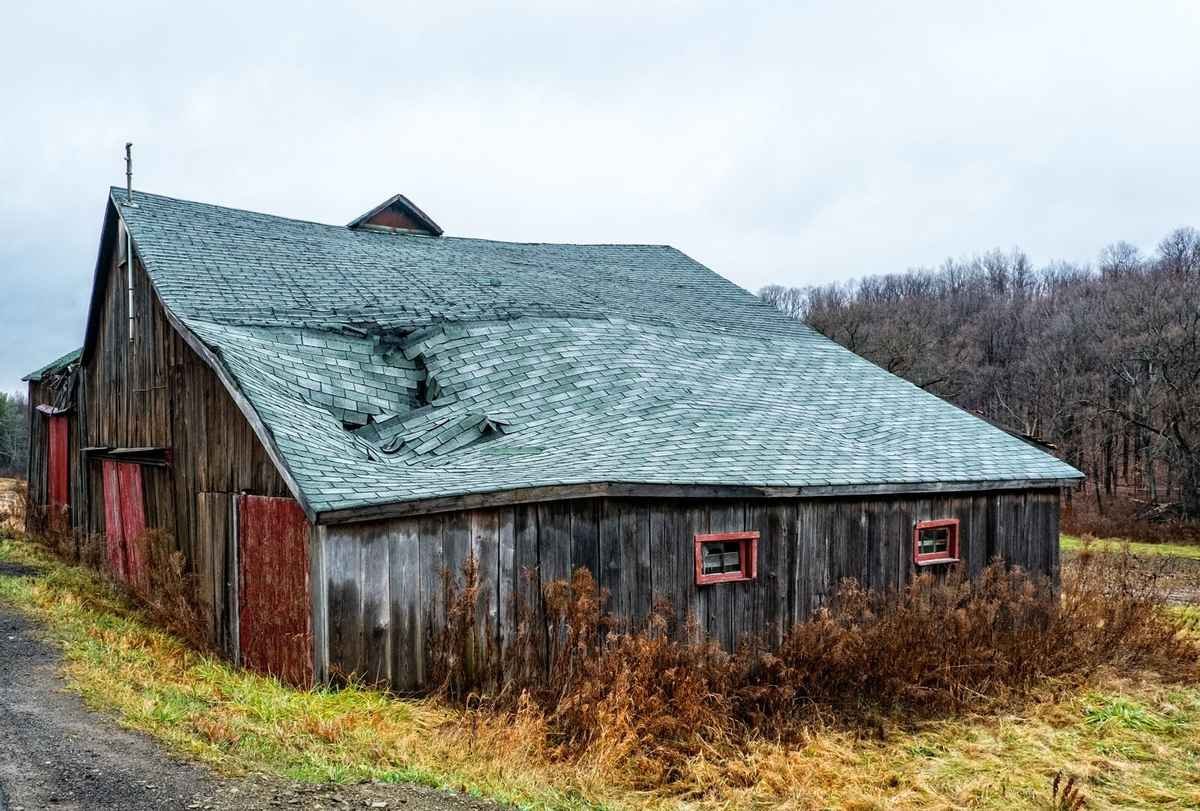
Emergency roof tarping is a temporary, heavy-duty waterproof cover secured over a roof section to stop active water intrusion until a permanent repair can be scheduled; it is a stopgap, not a repair. In Grand Rapids, two situations trigger a tarp call: winter ice-dam backup, where meltwater is forced under otherwise-intact shingles at the eave, and warm-season wind or hail damage, where the deck may be physically exposed. The right next step depends on which one you’re dealing with.
Ice-dam leak vs. storm damage: what changes after the tarp goes on
Both situations call for a temporary cover, but the diagnosis and paperwork that follow are not the same.
Winter: ice-dam backup leak
- The shingle field often looks intact from the ground — the water was forced under the shingles at the eave, not through a visible hole.
- The real issue is usually attic-side (insulation, air-sealing, ventilation), not the roof surface itself.
- A ceiling patch or tarp alone won’t stop it from recurring at the next thaw without an attic-side diagnosis.
Warm season: wind or hail damage
- Missing shingles, punctures, or lifted flashing can leave the deck itself exposed — tarping is more urgent to prevent rapid interior water damage.
- Photograph and date the damage before it’s covered — this documentation matters for any insurance claim.
- Storm damage is typically documented and handled as a distinct claim category from winter water intrusion.
From active leak to permanent repair
Document first
Photograph and date the visible damage or leak point before anything is covered, especially for storm-related claims.
Temporary tarp installed
A weighted, secured waterproof cover goes over the affected area to stop active water intrusion.
Interior check
If water already reached the attic or ceiling, that needs to be assessed separately from the roof-surface issue.
Root-cause diagnosis
A licensed roofer identifies whether the source is an eave/attic ice-dam issue or storm damage, then schedules the permanent repair.
The climate data behind the two triggers
77.6″ of average annual snowfall is front-loaded into these three months (NOAA climate normals), the peak window for eave backup leaks.
Standing snow depth, not just storms, is what feeds a slow-building ice-dam leak over multiple weeks.
Wind and hail from summer storms are the second, physically different damage trigger in West Michigan.
Winter water intrusion and summer wind/hail are documented and handled differently — and tarping needs differ too.
Sources: snowfall/snowpack data via Current Results (NOAA/NCEI); ice-dam leak mechanism per MSU Extension. We help homeowners document damage; we never promise a specific insurance coverage outcome.
Questions Grand Rapids homeowners ask
Is a tarp a permanent fix?+
No. A tarp is a temporary stopgap to stop active water intrusion. It needs to be followed by a licensed roofer’s diagnosis and a permanent repair.
Will a tarp stop an ice-dam leak?+
A tarp can slow further intrusion, but ice-dam leaks originate from meltwater backing up under the shingles at the eave, driven by attic heat loss. Stopping it for good typically requires ice-dam removal plus an attic-side fix, not just a surface cover.
Should I document storm damage before or after tarping?+
Before, if it’s safe to do so. Photographing and dating visible damage prior to covering it helps support any insurance documentation.
How quickly should a Grand Rapids roof be tarped after damage?+
As soon as it’s safe to do so once active water intrusion is identified, particularly when the roof deck is physically exposed, since delays allow more interior water damage.
Emergency roofer matching across Grand Rapids & Kent County
We connect homeowners with licensed roofers throughout the Grand Rapids metro and surrounding West Michigan communities.
Related guides
Get matched with a licensed Grand Rapids roofer
Call now and we’ll connect you with a licensed West Michigan roofer for emergency tarping and the permanent repair that follows. No phone tag, no obligation.
Call now for a roofer
Independent dispatch service connecting homeowners with licensed local roofing professionals. We are not a roofing contractor.