Ice & Water Shield vs. Standard Underlayment in Michigan
Ice and water shield underlayment and standard roofing felt are not interchangeable in Grand Rapids — Michigan Residential Code makes one of them mandatory at the eaves and the other optional everywhere else. Understanding where each belongs, and why the code draws that specific line, is part of knowing whether a re-roof was actually done correctly. Grand Rapids Roofing Pros is an independent dispatch service connecting West Michigan homeowners with licensed local roofers who install both correctly.
Call now for a licensed local roofer
Call now and we’ll connect you by phone with the licensed local roofer you’re matched with — no phone tag, no obligation.
Ready to talk to someone about your roof?
Call to reach the licensed local roofer you’re matched with in Grand Rapids & West Michigan.
Call (901) 704-8932When you call, stay on the line for a few seconds while we match you with the licensed local roofer for your area. Have your address and a quick description of the problem ready.
We connect homeowners with independent licensed roofing professionals in the Grand Rapids area. We are not a licensed contractor and do not perform roofing work ourselves.
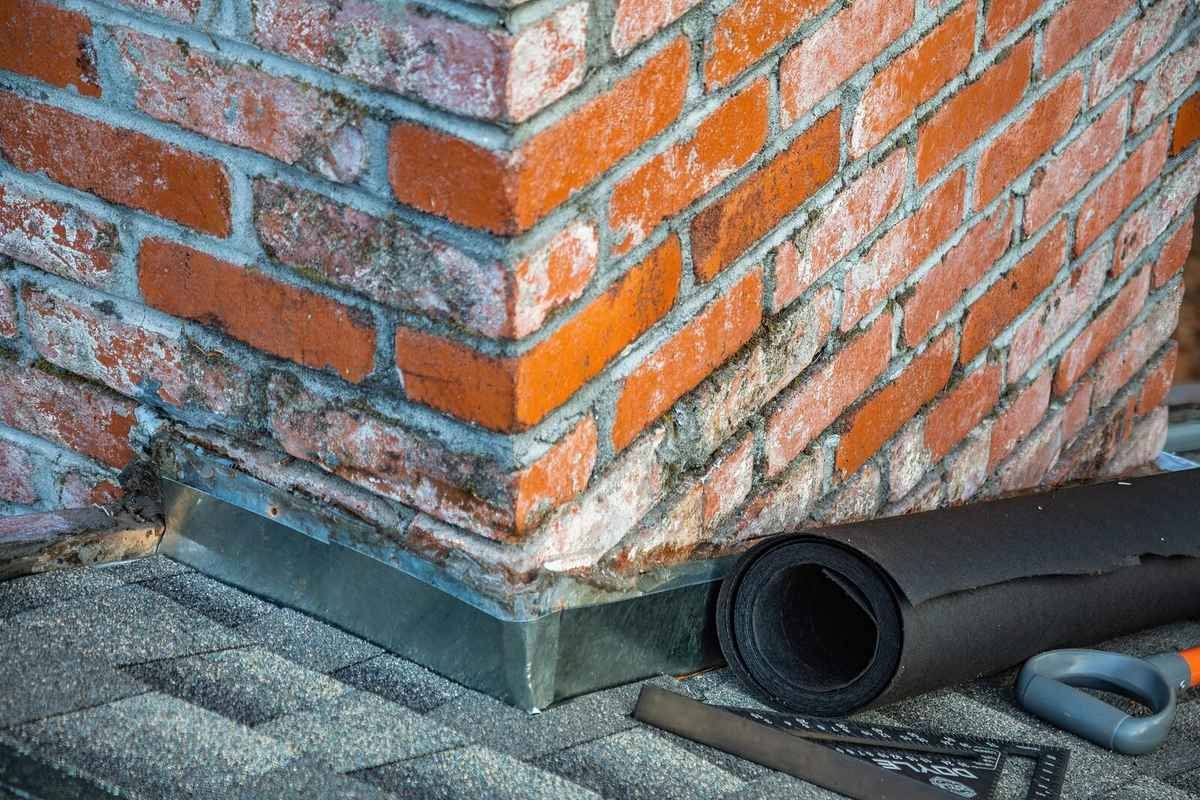
Quick answer: ice and water shield is a mandatory membrane, not a felt substitute
Ice and water shield is a self-adhering, waterproof membrane that bonds to the roof deck and seals around fasteners, while standard underlayment (felt or synthetic) sheds water but isn’t built to survive standing water. Michigan Residential Code R905.1.2 requires the ice-and-water membrane at the eaves of every new or replacement Grand Rapids roof, running at least 24 inches inside the exterior wall line. A licensed local roofer can confirm which material is installed where on your roof.
What’s the actual difference between the two materials?
Standard underlayment sheds water that’s moving downhill under gravity — it laps shingle-style so water runs over each seam. That works everywhere on a roof except one place: the eave, where an ice dam can force meltwater to travel uphill, against gravity, and sit under the shingles for hours or days. A lapped felt seam isn’t built to resist that; a self-sealing membrane is. On steeper roofs (8:12 pitch or greater), code extends the required membrane to at least 36 inches inside the exterior wall line, since a steep slope lets meltwater travel further uphill under the shingles before it refreezes.
That’s the entire logic behind Michigan’s ice-barrier code — not a general waterproofing upgrade, but a targeted fix for the one failure mode standard underlayment can’t handle: backed-up meltwater at a cold eave.
Yes — every Kent County county classifies as subject to the mandate
This isn’t a regional option; it’s a statewide floor.
What the code requires
- A self-adhering ice-barrier membrane at the eaves on new and replacement roofs, per Michigan Residential Code R905.1.2.
- Coverage from the eave edge to at least 24 inches inside the exterior wall line (36″ on roofs 8:12 pitch or steeper).
- Michigan LARA classifies every Michigan county, Kent County included, as subject to the requirement.
Where older Grand Rapids roofs fall short
- Roofs re-covered before the modern code took hold, or re-roofed with corners cut, often have no eave membrane at all.
- A “like-for-like” shingle swap on an older home isn’t truly like-for-like if the eave membrane was never added.
- See our companion guide, ice and water shield & what Michigan code requires at the eaves, for the full code walkthrough.
Does every roof material need ice and water shield the same way?
The 24–36 inch eave requirement applies regardless of the finish material — Michigan’s code lists metal roof shingles alongside asphalt shingle roofs among the covered types. Many roofers also extend the membrane into valleys, around chimneys and skylights, and along low-slope transitions, since those are the other spots where water can back up rather than simply run downhill. Standard underlayment is still the right material for the broad roof field in all of these cases; the membrane is a targeted upgrade, not a full-roof replacement for underlayment.
This ties directly into the ice dam formation mechanism covered elsewhere on this site: the membrane doesn’t stop an ice dam from forming, it stops the backed-up meltwater an ice dam creates from reaching the roof deck.
Ask your roofer to confirm
- Eave membrane coverage extends the full 24″ (or 36″ on steep pitches)
- Valleys and roof penetrations get the same membrane, not felt
- Standard underlayment covers the remaining roof field correctly lapped
- The work is permitted through the City of Grand Rapids Development Center
Questions Grand Rapids homeowners ask
What’s the difference between ice and water shield and standard underlayment?+
Ice and water shield is a self-adhering, waterproof membrane designed to survive standing meltwater at the eaves. Standard underlayment sheds water moving downhill but isn’t designed to survive water backed up against gravity, which is why code requires the membrane specifically at the eaves.
Does Michigan code require ice and water shield?+
Yes. Michigan Residential Code R905.1.2 requires an ice-barrier membrane at the eaves on new and replacement roofs statewide, with Michigan LARA classifying every county, including Kent County, as subject to the requirement.
How far up the roof does ice and water shield need to go?+
At least 24 inches inside the exterior wall line, or 36 inches along the slope on roofs with an 8:12 pitch or steeper, measured from the eave edge.
Does my roof material change whether I need ice and water shield?+
No. Michigan’s code lists metal roof shingles alongside asphalt shingle roofs among the covered types requiring the eave membrane, so the requirement applies regardless of finish material.
Can I tell if my roof has ice and water shield without pulling shingles?+
Not reliably from the ground. A licensed roofer can check attic-side clues and roofing permit history, but confirming eave membrane coverage typically requires an inspection at the eave itself.
Code-compliant re-roofs across Grand Rapids & Kent County
We connect homeowners with licensed roofers who install underlayment and ice-barrier membrane to code.
Continue the Materials & Methods series
Get matched with a licensed Grand Rapids roofer
Call now and we’ll connect you with a licensed local roofer to check your eave membrane and underlayment. No phone tag, no obligation.
Call now for a roofer
Independent dispatch service connecting homeowners with licensed local roofing professionals. We are not a roofing contractor.