Roofing Warranty Basics for West Michigan Homeowners
Understanding a roof warranty in Michigan means separating two different documents that often get confused: the manufacturer’s material warranty and the installer’s workmanship warranty. In a climate that requires a specific code-mandated eave membrane and dozens of freeze-thaw cycles a year, what a code-compliant, climate-appropriate installation actually includes matters more here than in a warranty-friendly warm-weather market. Grand Rapids Roofing Pros is an independent dispatch service connecting West Michigan homeowners with licensed local roofers.
Call now for a licensed local roofer
Call now and we’ll connect you by phone with the licensed local roofer you’re matched with — no phone tag, no obligation.
Ready to talk to someone about your roof?
Call to reach the licensed local roofer you’re matched with in Grand Rapids & West Michigan.
Call (901) 704-8932When you call, stay on the line for a few seconds while we match you with the licensed local roofer for your area. Have your address and a quick description of the problem ready.
We connect homeowners with independent licensed roofing professionals in the Grand Rapids area. We are not a licensed contractor and do not perform roofing work ourselves.
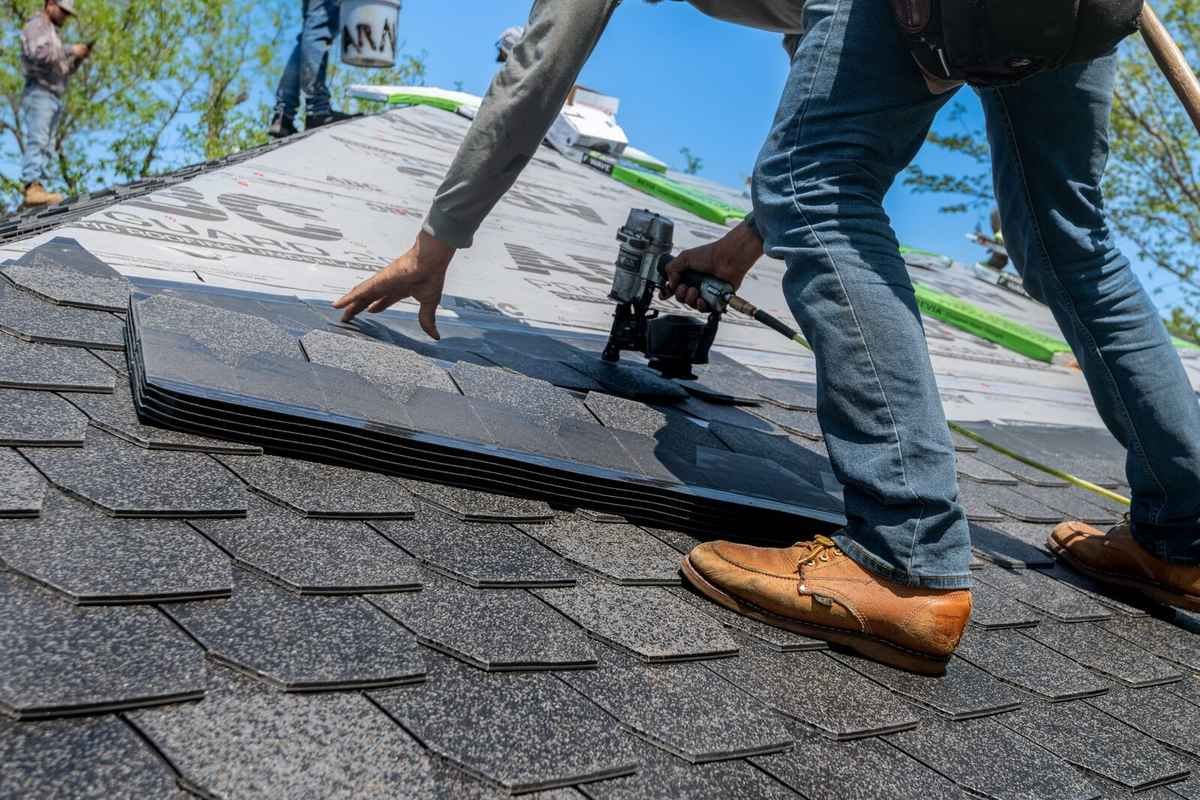
Quick answer: two separate warranties, and a code condition underneath both
A roofing project typically comes with two distinct warranties: a manufacturer’s material warranty covering the shingles or panels, and an installer’s workmanship warranty covering the labor. Manufacturer coverage is often conditioned on installation that follows code, which in Grand Rapids includes the Michigan Residential Code’s eave ice-barrier requirement (R905.1.2). Skipping that code-required step, regardless of installer, creates exactly the kind of gap that can complicate a warranty claim later. A licensed local roofer can confirm the install meets it.
What’s the difference between a manufacturer warranty and a workmanship warranty?
Confusing the two is one of the most common warranty misunderstandings homeowners run into.
Manufacturer material warranty
- Covers defects in the shingle, panel, or membrane product itself — not labor.
- Issued by the material manufacturer, often with tiered coverage levels depending on installer certification.
- Typically requires installation per the manufacturer’s published instructions to remain fully valid.
Installer workmanship warranty
- Covers labor and installation quality — leaks caused by installation error, not product defects.
- Issued by the roofing contractor, separate from the manufacturer.
- Terms and length vary by installer; ask what’s specifically covered before work begins.
Does Michigan code affect my roof warranty?
Yes, indirectly but meaningfully. Michigan Residential Code R905.1.2 requires a self-adhering ice-barrier membrane at the eaves on every new or replacement roof statewide. Manufacturer warranties generally require code-compliant installation as a baseline condition — an eave that was never protected with the required membrane is a code gap, and code gaps are a common thread in denied or reduced warranty claims industry-wide.
That’s part of why installer credentials matter here: our licensed GAF contractor guide covers how manufacturer-certified installer tiers connect to enhanced warranty coverage.
Manufacturer material coverage and installer workmanship coverage are not the same document.
Michigan’s statewide eave ice-barrier requirement underlies proper, warranty-supporting installation.
Questions Grand Rapids homeowners ask
What’s the difference between a manufacturer warranty and a workmanship warranty?+
A manufacturer warranty covers defects in the roofing material itself. A workmanship warranty, issued by the installing contractor, covers labor and installation quality. They are separate documents with separate terms.
Does Michigan code affect my roof warranty?+
Manufacturer warranties generally require installation that follows applicable building code, including Michigan’s eave ice-barrier requirement (R905.1.2). Skipping a code-required step is a common thread in denied or reduced warranty claims.
What can void a roofing warranty in Michigan?+
Common issues include improper installation, skipped code-required steps like the eave ice barrier, inadequate ventilation, and using unapproved accessory products. Terms vary by manufacturer, so review the specific warranty document.
How long do typical roofing warranties last?+
Warranty length varies significantly by manufacturer, product tier, and installer certification level. A licensed roofer can walk through the specific terms available for a given product line.
Does a certified installer get a better warranty?+
Many manufacturers offer enhanced warranty tiers to contractors who hold specific certifications, since certified installers have demonstrated familiarity with the manufacturer’s installation requirements.
Warranty-conscious installs across Grand Rapids & Kent County
We connect homeowners with licensed roofers who understand manufacturer and code requirements together.
Continue the Materials & Methods series
Get matched with a licensed Grand Rapids roofer
Call now and we’ll connect you with a licensed local roofer to walk through manufacturer and workmanship warranty options. No phone tag, no obligation.
Call now for a roofer
Independent dispatch service connecting homeowners with licensed local roofing professionals. We are not a roofing contractor.