Roofing in Lowell, MI
Lowell roofing covers two very different housing eras inside one small city: a National Register–listed Victorian downtown along the Flat River, and decades of ranch and subdivision growth that pushed Lowell’s citywide median home to a 1968 build year. Grand Rapids Roofing Pros is an independent dispatch service that connects Lowell homeowners with licensed local roofers who work both roof eras. Call now to get matched.
Last updated: August 2026
Ready to talk to someone about your roof?
Call to reach the licensed local roofer you’re matched with in Grand Rapids & West Michigan.
Call (901) 704-8932When you call, stay on the line for a few seconds while we match you with the licensed local roofer for your area. Have your address and a quick description of the problem ready.
Call now for a licensed local roofer
Call now and we’ll connect you by phone with the licensed local roofer you’re matched with — no phone tag, no obligation.
📞 Call Now — (901) 704-8932We connect homeowners with independent licensed roofing professionals in the Grand Rapids area. We are not a licensed contractor and do not perform roofing work ourselves.
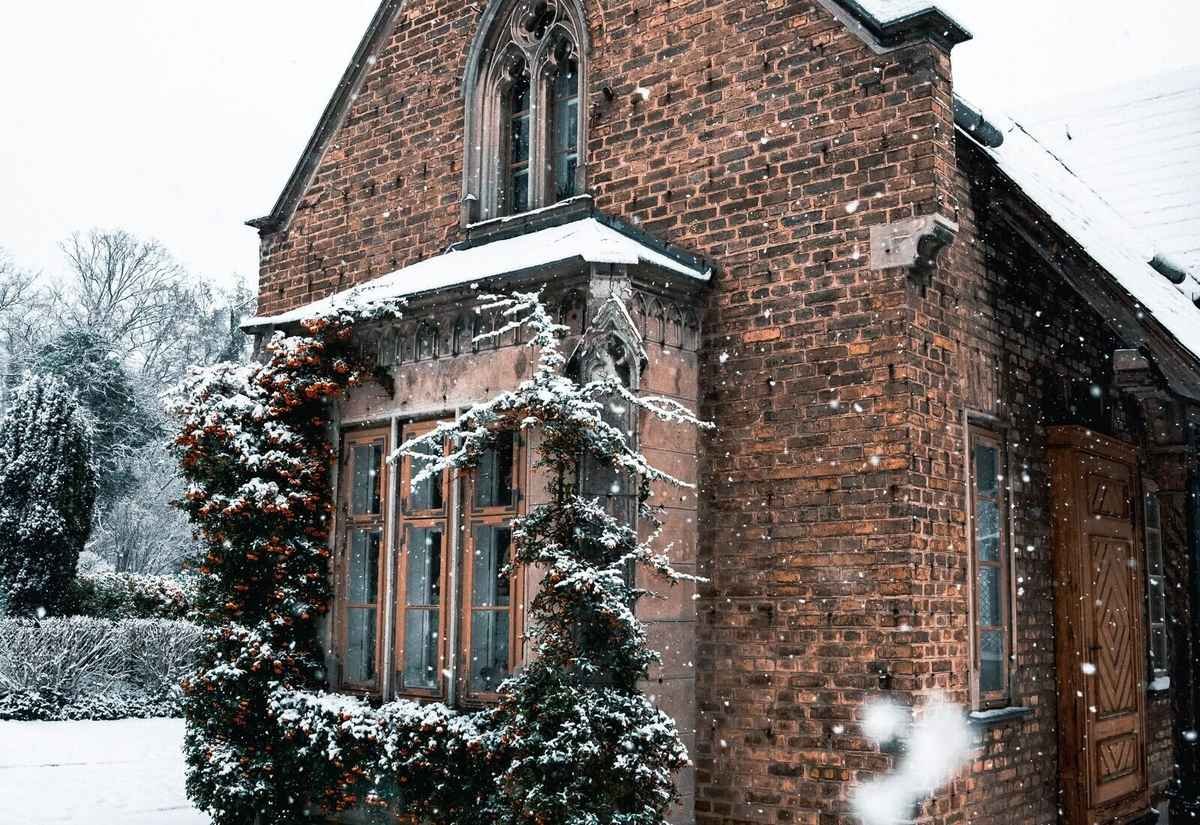
What kind of roof do most Lowell, MI homes have?
Lowell’s roof stock is genuinely bimodal. The Downtown Lowell Historic District, listed on the National Register, anchors a concentration of 1800s Victorian and early-1900s farmhouse-era roofs, steep and multi-plane, often predating any ice-barrier code. Around that core, Lowell’s citywide median construction year of 1968 reflects decades of ranch and subdivision growth with lower-slope, simpler rooflines. Grand Rapids Roofing Pros connects Lowell homeowners with licensed local roofers who recognize which era they’re looking at before recommending a fix.
Victorian rooflines vs. ranch eaves
The five-block Downtown Lowell Historic District, listed on the National Register of Historic Places, sits on both banks of the Flat River, and the historic Main Street corridor carries a different ice-dam risk profile than the newer subdivision ring. On a Main Street–era Victorian or farmhouse, the risk sits in the roof’s complexity: steep pitches, dormers, and multiple roof-to-wall intersections give a standing snowpack more places to catch and refreeze, and many of these roofs were reroofed, if at all, before Michigan’s modern eave ice-barrier requirement (R905.1.2) was consistently enforced.
On a newer ranch or subdivision home built during Lowell’s post-war-to-1968-median growth, the story is closer to Wyoming’s or Kentwood’s: a long, low-slope eave run that gives meltwater a wide shelf to sit on and refreeze against, rather than a complex multi-plane roof.
Signs your Lowell roof needs a local-savvy look
- A visible ice ridge building along a downtown Victorian’s eave or valley in January or February.
- A ceiling stain inside a pre-1940 Main Street–era home that traces to a dormer or roof-to-wall intersection.
- A ranch or subdivision-era eave on the newer side of town without a confirmed ice-and-water membrane.
- A re-roof on either style of home that predates the modern eave ice-barrier code.
Why a Lowell-specific roof approach matters
Three things a roofer needs to know about Lowell’s housing stock and geography before recommending a fix.
A National Register historic core
The Downtown Lowell Historic District covers both banks of the Flat River along Main Street — a concentration of Victorian and farmhouse-era rooflines unlike almost anywhere else in this build map outside Grand Rapids’ own historic neighborhoods.
A 1968 median build year citywide
With 23.2% of homes built before 1940, Lowell’s overall stock still skews newer than the historic core alone — meaning most roofs in the city are ranch- and subdivision-era, not Victorian.
Two rivers meet at Lowell
Lowell sits at the confluence of the Grand River and the Flat River, a defining piece of the city’s geography that puts the historic downtown core directly along the water most locals mean when they say “the river.”
Roofing services for Lowell homeowners
Whatever your roof needs, we connect you with a licensed local roofer who works this housing stock.
Roof Replacement
A code-compliant re-roof on a downtown Lowell Victorian adds the eave ice-and-water membrane many pre-code, National Register–era roofs never had.
Explore replacementRoof Repair
Ceiling stains at a Main Street building’s dormer or a newer ranch’s eave get diagnosed at the source, not just patched from below.
Explore repairStorm & Hail Damage
Wind and hail from summer storms get documented and matched to a licensed roofer — no coverage outcome promised.
Explore storm damageIce Dam Removal
Safe steam removal for the ridge that builds along a historic Main Street roofline or a newer ranch eave, plus an attic-side diagnosis.
See the flagship guideRoof Inspection
A fall, attic-inclusive check that covers both Lowell’s Victorian-era dormers and the ranch/subdivision eaves on the newer side of town.
Explore inspectionNot sure what you need?
Describe what you’re seeing and call now. We’ll route you to a licensed roofer who works Lowell roofs.
Get matched nowWhat Lowell’s history and West Michigan winters put on a roof
Concentrated in the National Register Downtown Lowell Historic District along Main Street and the Flat River.
Citywide median construction year — reflecting decades of ranch and subdivision growth around the historic core.
NOAA/NCEI climate normals (1991–2020) at Gerald R. Ford International Airport — the base that feeds ice-dam risk metro-wide.
The Grand River and the Flat River meet at Lowell, anchoring the historic downtown directly along the water.
Sources: Wikipedia — Downtown Lowell Historic District (National Register listing); GRHomes.net — Key Features of Lowell, Michigan Properties (housing-age data); NOAA/NCEI Climate Normals (Gerald R. Ford International Airport, 1991–2020).
Neighborhoods & landmarks we cover
We connect homeowners across Lowell with licensed local roofers, from the Main Street historic district to the neighborhoods along the Flat River.
Nearby areas we also serve
Questions Lowell homeowners ask
Why does Lowell have such a mix of historic and newer roofs?+
Lowell’s National Register historic district along Main Street and the Flat River preserves a concentration of 1800s and early-1900s roofs, while the rest of the city grew steadily afterward — pushing the citywide median construction year to 1968. The result is two genuinely different roof eras inside one small city.
Does a Victorian-era home in downtown Lowell need different ice-dam protection than a newer ranch?+
The geometry is different. A Victorian or farmhouse-era roof has more valleys, dormers, and roof-to-wall intersections where snow and ice concentrate, while a newer ranch’s risk is more about eave length. Both still fall under Michigan’s statewide eave ice-barrier code, but the inspection points differ.
What’s distinct about Lowell’s river-confluence location?+
Lowell sits where the Grand River meets the Flat River, and the historic downtown core runs directly along that water on Main Street. It’s a defining piece of the city’s identity and the reason the historic district is concentrated where it is.
Is my older Lowell home missing the ice barrier required by Michigan code?+
Possibly, especially in the historic core, if a past reroof predates the modern eave ice-barrier requirement or cut corners on it. A licensed local roofer can check the eave and valley detail during an inspection.
Do you install or repair roofs directly in Lowell?+
No. Grand Rapids Roofing Pros is an independent dispatch service. We connect Lowell homeowners with licensed, independent local roofing professionals; we do not perform roofing work ourselves.
About this guide: Researched from NWS Grand Rapids records, Michigan Residential Code, and City of Grand Rapids permit rules by the Grand Rapids Roofing Pros research team. We are a homeowner-to-roofer matching service; we do not perform roofing work ourselves. Learn more About Us or see How We Vet Roofing Partners.
Get matched with a licensed local roofer
Call now and we’ll connect you with a licensed West Michigan roofer who knows Lowell’s historic Main Street roofs and its newer ranch and subdivision stock. No phone tag, no obligation.
Call now for a roofer
Independent dispatch service connecting homeowners with licensed local roofing professionals. We are not a roofing contractor.