The Two Roof Damage Seasons in Grand Rapids, Explained
Grand Rapids roofs face two different damage seasons each year, driven by two unrelated weather mechanisms: a winter ice-dam and snow-load season running roughly December through March, fed by a standing snowpack averaging 60-plus inches, and a summer wind-and-hail season tied to warm-season convective storms. Grand Rapids Roofing Pros is an independent dispatch service connecting West Michigan homeowners with licensed local roofers for either season’s damage — we explain the framing; we don’t make coverage determinations.
Call now for a licensed local roofer
Call now and we’ll connect you by phone with the licensed local roofer you’re matched with — no phone tag, no obligation.
Ready to talk to someone about your roof?
Call to reach the licensed local roofer you’re matched with in Grand Rapids & West Michigan.
Call (901) 704-8932When you call, stay on the line for a few seconds while we match you with the licensed local roofer for your area. Have your address and a quick description of the problem ready.
We connect homeowners with independent licensed roofing professionals in the Grand Rapids area. We are not a licensed contractor and do not perform roofing work ourselves.
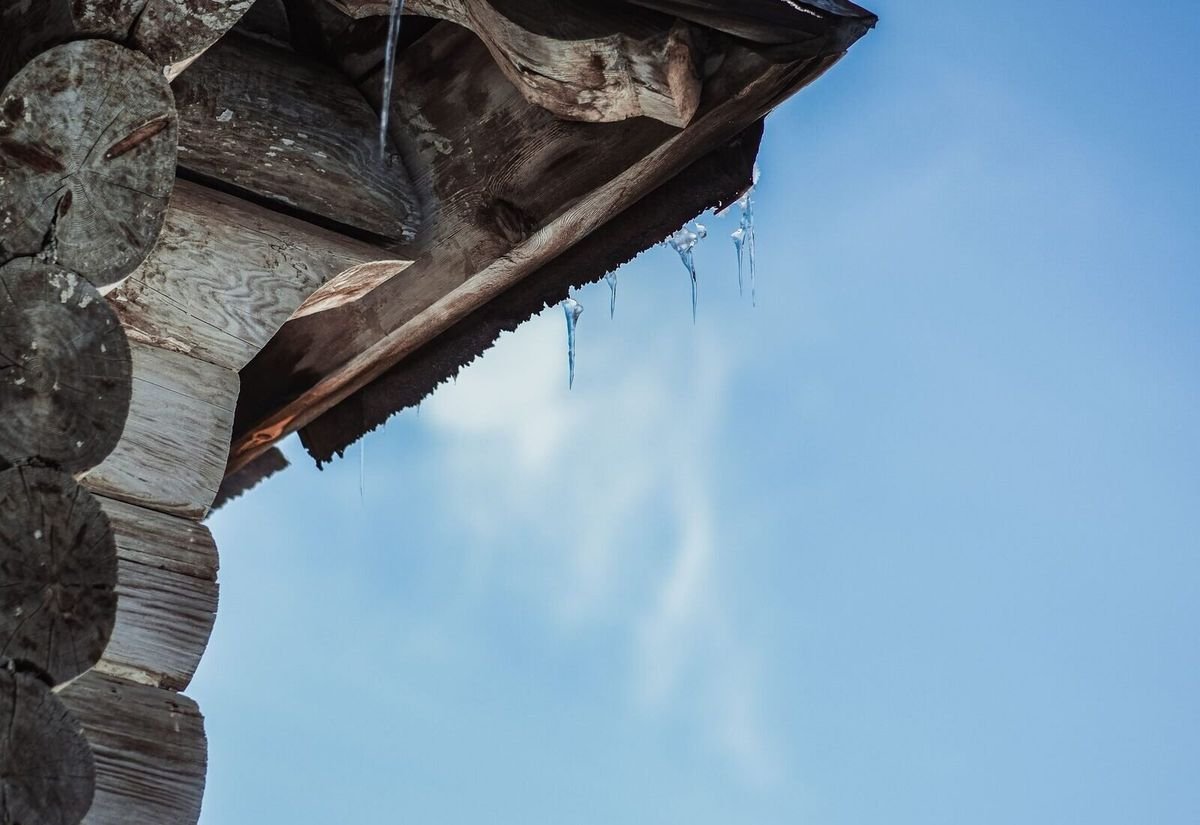
Quick answer: why Grand Rapids has two distinct roof damage seasons
Grand Rapids sits in a lake-effect snowbelt with a full Midwest summer storm season, giving its roofs two damage mechanisms with nothing in common. Winter, roughly December through March, brings ice-dam and snow-load water intrusion driven by a standing snowpack that fuels weeks of attic-driven melt-refreeze cycling. Summer brings wind and hail from convective storms, an impact-based mechanism unrelated to snowpack. Because insurers and roofers evaluate these differently, knowing which season your damage belongs to is the first step in documenting it correctly.
What makes the winter season different from the summer season?
Winter roof damage in Grand Rapids is a water-intrusion mechanism: heat leaking into the attic melts the underside of a standing snowpack, the meltwater refreezes at the cold eave into a ridge, and trapped water is eventually forced up under the shingles — a slow, cumulative process that plays out over days or weeks of a documented cold stretch, not a single moment.
Summer roof damage is an impact mechanism: wind gusts and hailstones physically strike the shingle field, flashing, and vents during a specific, dated storm. There is no slow buildup — the damage exists the moment the storm passes, which is why the documentation approach (a specific storm date vs. a thaw-event window) differs so much between the two.
Why the ice-dam season runs December through March
It isn’t any single snowstorm — it’s that Grand Rapids holds a standing snowpack for weeks at a stretch during these exact months, giving attic heat loss time to do its damage.
Average December snowfall — the start of the standing-pack window.
Grand Rapids’ snowiest month on average, and the core of the ice-dam season.
Still deep winter; combined with January, over 60″+ of the season’s snow.
Average annual snowfall at Gerald R. Ford International Airport (NOAA climate normals, 1991–2020).
Sources: Current Results — Grand Rapids snowfall data (NOAA/NCEI Climate Normals, GRR). See the full breakdown in our snowfall and roof risk by month guide.
Can a roof have damage from both seasons in the same year?
Yes — and it’s common enough in Grand Rapids that keeping the two records separate matters more than most homeowners expect.
Same roof, different claims
A roof can show winter ice-dam water staining from one thaw and summer hail bruising from a completely unrelated storm months later. An adjuster (see our guide to working with your adjuster) evaluates each against different policy language, so blending them into one description makes both harder to assess.
Why the season matters for documentation
Dated, event-specific photos — kept in separate sets for each season — give an insurer and a licensed roofer a clear record of what happened and when, instead of an ambiguous mix of seasonal wear and storm impact. See our full storm damage checklist for the exact steps.
Questions Grand Rapids homeowners ask
Why does Grand Rapids have two separate roof damage seasons?+
Grand Rapids sits in a lake-effect snowbelt that also gets a full Midwest summer convective storm season. Winter brings ice-dam water intrusion driven by a standing snowpack, and summer brings wind and hail impact damage — two unrelated weather mechanisms in the same calendar year.
Which months make up the winter ice-dam season?+
Roughly December through March, with December, January, and February averaging 20.8, 22.6, and 17.2 inches of snow respectively — the standing-pack window that fuels the melt-refreeze cycle behind ice dams.
Is summer hail damage more or less common than winter ice-dam damage in Grand Rapids?+
Both are recognized, distinct damage seasons here rather than one being more “real” than the other. Which one applies to your roof depends entirely on when and how the damage occurred, not on which season is more common overall.
Can one roof have damage from both seasons in the same year?+
Yes. A Grand Rapids roof can show winter ice-dam water intrusion from one thaw and summer wind or hail impact from an unrelated storm months later. Documenting and dating each separately helps an adjuster and a licensed roofer evaluate them individually.
Does knowing the damage season affect my insurance claim?+
It can help you document more clearly, since an adjuster evaluates winter water-intrusion claims and summer wind/hail claims against different policy language. We do not make coverage determinations; that’s your insurer’s decision.
Storm & ice-dam help across Grand Rapids & Kent County
We connect homeowners with licensed roofers throughout the Grand Rapids metro and surrounding West Michigan communities.
Continue the storm & insurance series
Get matched with a licensed Grand Rapids roofer
Call now and we’ll connect you with a licensed West Michigan roofer to assess and document winter or summer roof damage. No phone tag, no obligation.
Call now for a roofer
Independent dispatch service connecting homeowners with licensed local roofing professionals. We are not a roofing contractor.