Hail Damage Shingle Repair in Grand Rapids, MI
Hail damage shingle repair in Grand Rapids deals with a different failure mode than the region’s winter ice-dam problem: granule loss and impact bruising from summer convective storms. Grand Rapids Roofing Pros is an independent dispatch service connecting homeowners with licensed local roofers for hail damage shingle repair.
Source: NOAA NCEI Storm Events Database for Kent County hail-event history.
Ready to talk to someone about your roof?
Call to reach the licensed local roofer you’re matched with in Grand Rapids & West Michigan.
Call (901) 704-8932When you call, stay on the line for a few seconds while we match you with the licensed local roofer for your area. Have your address and a quick description of the problem ready.
Call now for a licensed local roofer
Call now and we’ll connect you by phone with the licensed local roofer you’re matched with — no phone tag, no obligation.
📞 Call Now — (901) 704-8932We connect homeowners with independent licensed roofing professionals in the Grand Rapids area. We are not a licensed contractor and do not perform roofing work ourselves.
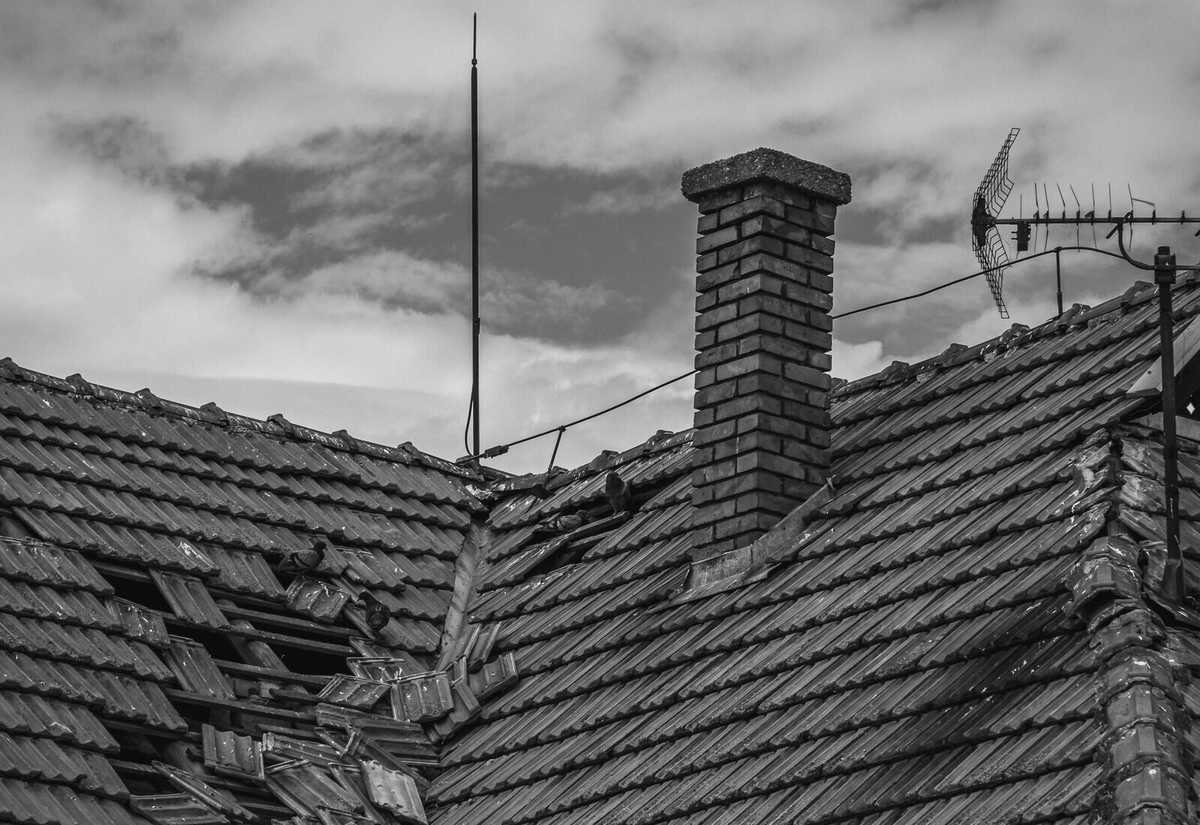
Quick answer: what does hail actually do to a shingle roof?
Quick answer: Hail impact bruises and cracks the asphalt mat under a shingle’s surface granules, and can knock granules loose outright, both of which shorten a shingle’s remaining service life even when the roof isn’t visibly leaking right away. NOAA/NCEI radar-verified data counts 56 hail days within 10km of Grand Rapids at the National Weather Service’s 1-inch severe threshold, mostly June through August, a different season and failure mode than the region’s winter ice-dam problem. Grand Rapids homeowners can get matched with a licensed local roofer for a post-hail inspection.
Why Grand Rapids’ hail season concentrates in early-to-late summer
Michigan’s severe convective storm season runs on warm-season instability, not winter systems, which is why the region’s hail activity is essentially absent from October through March and concentrated instead in June through August, with June alone accounting for 15 of the 56 recorded hail days (aggregated by ExoVzn using MRMS MESH hail signatures and the Storm Events Database for the KGRR radar station, 2014–2026). Because a hail-damaged roof often is not visibly leaking, the right inspection looks for granule loss, soft bruised spots, and impact marks rather than the eave ice or attic ventilation issues a winter inspection targets. The same 2014–2026 NOAA/NCEI window that recorded 56 hail days near Grand Rapids also logged 39 severe thunderstorm wind events and 5 tornadoes within 10km of the city, with 164 total NWS severe weather warnings issued — confirming this as a genuine, recurring summer storm pattern rather than a single outlier season.
For comparison, the same dataset shows Warren, MI, on the other side of the state, peaking in July instead of June and logging roughly 91 hail days over the same period — nearly double Grand Rapids’ count — which is exactly the kind of local variation that confirms this is genuine West Michigan climatology, not a generic statewide number.
What to look for after a hail event
- Granule loss showing as dark or shiny bald spots where the asphalt mat is exposed.
- Soft, bruised-feeling spots on the shingle surface, sometimes with a circular impact mark.
- Dented or dinged gutters, downspouts, and vent covers, which often show hail impact more visibly than shingles do.
What hail damage repair addresses
Targeted shingle replacement
Swapping out impact-damaged shingles in the affected sections rather than the whole roof, where the damage is limited.
Granule-loss assessment
Checking how much surface protection has been lost, since it affects remaining shingle lifespan even without an active leak.
Documentation for a possible claim
Dated photos and a written assessment, which matters separately from the repair work itself.
Questions Grand Rapids homeowners ask
How do I know if my roof has hail damage?+
Common signs include granule loss showing as bald or shiny spots, soft bruised areas on the shingle surface, and dented gutters or vent covers. A licensed roofer can do a closer inspection.
When is Grand Rapids’ hail season?+
Radar-verified data shows it concentrated in June through August, with June the single peak month. There’s essentially no recorded hail activity from October through March.
Does hail damage always cause an immediate leak?+
No. Granule loss and mat bruising can shorten a shingle’s remaining service life without an immediate leak, which is part of why an inspection after a hail event matters even if the roof looks fine from the ground.
Should I file an insurance claim for hail damage?+
That’s a decision between you and your insurer. Dated photos and a written roof assessment help document the event, but we don’t make coverage promises or file claims on your behalf.
Hail damage repair across Grand Rapids & Kent County
We connect homeowners with licensed roofers throughout the Grand Rapids metro and surrounding West Michigan communities.
Related guides
Get matched with a licensed Grand Rapids roofer
Call now and we’ll connect you with a licensed West Michigan roofer to assess hail damage. No phone tag, no obligation.
Call now for a roofer
Independent dispatch service connecting homeowners with licensed local roofing professionals. We are not a roofing contractor.