Preparing Your Roof for a Lake-Effect Michigan Winter
Preparing your roof for winter in Grand Rapids means more than a glance from the driveway. West Michigan’s snowpack typically sets in by December and holds through February, giving roofs only a narrow fall window to catch small problems — an unsealed attic hatch, a gap in eave ice-barrier coverage, gutters still full of leaves — before they become December-through-February failures. Grand Rapids Roofing Pros is an independent dispatch service connecting West Michigan homeowners with licensed local roofers for pre-season roof work.
Call now for a licensed local roofer
Call now and we’ll connect you by phone with the licensed local roofer you’re matched with — no phone tag, no obligation.
Ready to talk to someone about your roof?
Call to reach the licensed local roofer you’re matched with in Grand Rapids & West Michigan.
Call (901) 704-8932When you call, stay on the line for a few seconds while we match you with the licensed local roofer for your area. Have your address and a quick description of the problem ready.
We connect homeowners with independent licensed roofing professionals in the Grand Rapids area. We are not a licensed contractor and do not perform roofing work ourselves.
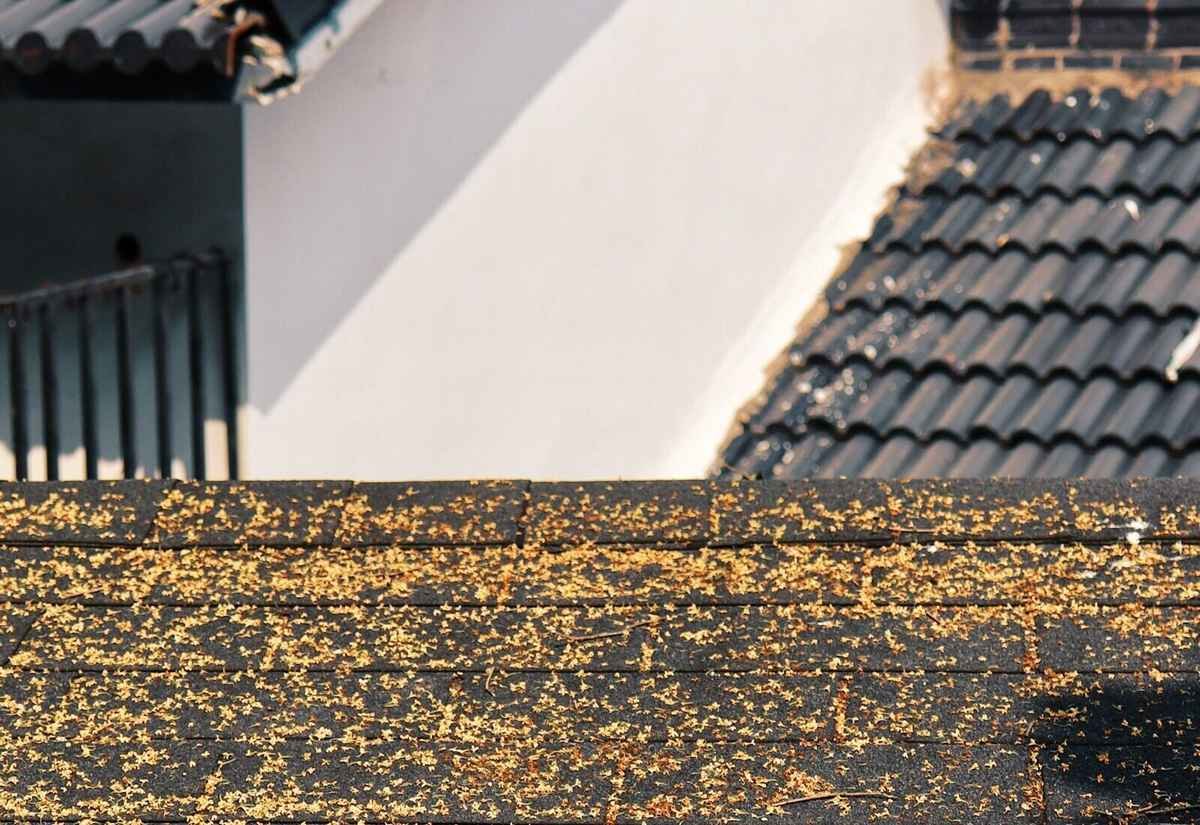
Quick answer: what actually prepares a roof for a Grand Rapids winter?
The roofs that come through a West Michigan winter cleanest share four things done before the snow sets in: cleared gutters, an attic-inclusive inspection, confirmed ice-barrier coverage at the eaves per Michigan code, and any flashing or valley repairs finished before the first freeze. Grand Rapids’ snowpack builds through December and holds into February, so the practical prep window is September through November. Grand Rapids Roofing Pros matches homeowners with licensed local roofers for that fall inspection.
Why does the prep window close before December in Grand Rapids?
Once Grand Rapids’ snowpack sets in, it doesn’t just visit and leave. The metro averages 28.7 days a year with 5 inches or more of snow on the ground and 8.3 days with a foot or more, concentrated in January and February — and that standing pack sits directly over whatever condition the roof was in when it arrived. A gutter still full of leaves in November is a gutter that can’t drain eave meltwater in January. An attic air leak that goes unsealed in October is warming the roof deck from below every night the pack is in place. That’s also why the fall inspection needs to check insulation and ventilation, not just the shingle field. Once the pack sets in, most of this work has to wait until spring.
None of this is unfixable once winter starts, but it becomes a repair project instead of a maintenance task. For the full mechanism behind why an under-insulated attic turns standing snow into an ice dam, see how ice dams actually form on West Michigan roofs.
Fall Roof Readiness Checklist
- Clear gutters & downspouts so eave-line meltwater has somewhere to go
- Trim back tree limbs overhanging the roofline before ice-loading season
- Check the attic hatch, exhaust ducting & can-light seals for air leaks
- Confirm eave ice-barrier coverage meets Michigan code (R905.1.2)
- Spot-check valleys & flashing before the first hard freeze
- Schedule an attic-inclusive inspection before the standing snowpack arrives
Three prep tasks that matter most for West Michigan roofs
Not every fall task carries equal weight. These three catch the majority of Grand Rapids winter roof failures.
Attic air-sealing & insulation
Warm attic air is the root cause of ice dams, not the snow itself. See our attic insulation & ventilation guide for what a proper fall check covers.
Eave ice-barrier confirmation
Michigan code requires an ice-and-water membrane at the eaves of every new or replaced roof. Many older Grand Rapids homes predate it — see what the code actually requires.
Gutter & edge clearing
Clogged gutters keep eave-line meltwater from draining, feeding the exact spot an ice dam forms. Our gutter & ice dam prevention guide covers the fixes that actually help.
When to do each part of the prep window
September
Walk the roofline from the ground and the attic access. Note anything that looked rough after last winter.
October
Clear gutters and downspouts, trim overhanging limbs, and seal obvious attic air leaks around fixtures and the hatch.
November
Confirm eave ice-barrier coverage and schedule a licensed, attic-inclusive inspection before the first sustained snowpack.
December onward
Monitor from the ground for ice ridges and check ceilings after a thaw — don’t climb onto a snow-loaded roof.
The standing-snow data behind the deadline
Average annual snowfall at Gerald R. Ford International Airport (NOAA climate normals, 1991–2020).
Falls in December, January and February — the exact window a prepared roof needs to already be ready for.
Average days per year with 5 inches or more of standing snow, mostly January–February.
Average days per year with a foot or more on the ground — the deep-pack stretch prep is meant to get ahead of.
Sources: Current Results — Grand Rapids snowfall and snow-depth data (NOAA/NCEI Climate Normals, GRR).
Questions Grand Rapids homeowners ask
When should I prepare my roof for winter in Grand Rapids?+
September through November is the practical window. Grand Rapids’ standing snowpack typically builds through December and holds into February, so prep tasks finished before the first sustained snowfall are the ones that actually help.
Does a fall roof inspection really need to include the attic?+
Yes. Because ice dams start with warm air leaking into the attic, an inspection that only looks at the shingle field from the ground misses the root cause. An attic-inclusive check covers insulation depth, air-sealing, and soffit-to-ridge ventilation.
What’s the single most important prep task if I only have time for one?+
If time is limited, prioritize clearing gutters and confirming eave ice-barrier coverage — those two address the most common water-intrusion paths quickly. For longer-term prevention, an attic air-sealing and ventilation check addresses the actual cause rather than just the symptoms.
Is it too late to prepare once snow has already started?+
Some tasks are still possible — a licensed roofer can still perform an attic-side diagnosis mid-winter — but exterior work like gutter clearing or eave-membrane installation is safer and more effective finished before the snowpack sets in. Missed prep typically becomes a spring project instead.
Pre-winter roof help across Grand Rapids & Kent County
We connect homeowners with licensed roofers throughout the Grand Rapids metro and surrounding West Michigan communities.
Continue the seasonal series
Deeper winter-prep reading
Get matched with a licensed Grand Rapids roofer
Call now and we’ll connect you with a licensed West Michigan roofer for a fall roof and attic inspection. No phone tag, no obligation.
Call now for a roofer
Independent dispatch service connecting homeowners with licensed local roofing professionals. We are not a roofing contractor.