Storm Damage Checklist for Kent County Homeowners
After a storm hits a Kent County roof, what you do in the first 24 to 48 hours shapes how smoothly everything after it goes — safety, documentation, and getting matched with a licensed roofer. Grand Rapids Roofing Pros is an independent dispatch service that connects Kent County homeowners with licensed local roofers for storm damage assessment and repair — we help you document what happened, but we do not file or manage your insurance claim.
Call now for a licensed local roofer
Call now and we’ll connect you by phone with the licensed local roofer you’re matched with — no phone tag, no obligation.
Ready to talk to someone about your roof?
Call to reach the licensed local roofer you’re matched with in Grand Rapids & West Michigan.
Call (901) 704-8932When you call, stay on the line for a few seconds while we match you with the licensed local roofer for your area. Have your address and a quick description of the problem ready.
We connect homeowners with independent licensed roofing professionals in the Grand Rapids area. We are not a licensed contractor and do not perform roofing work ourselves.
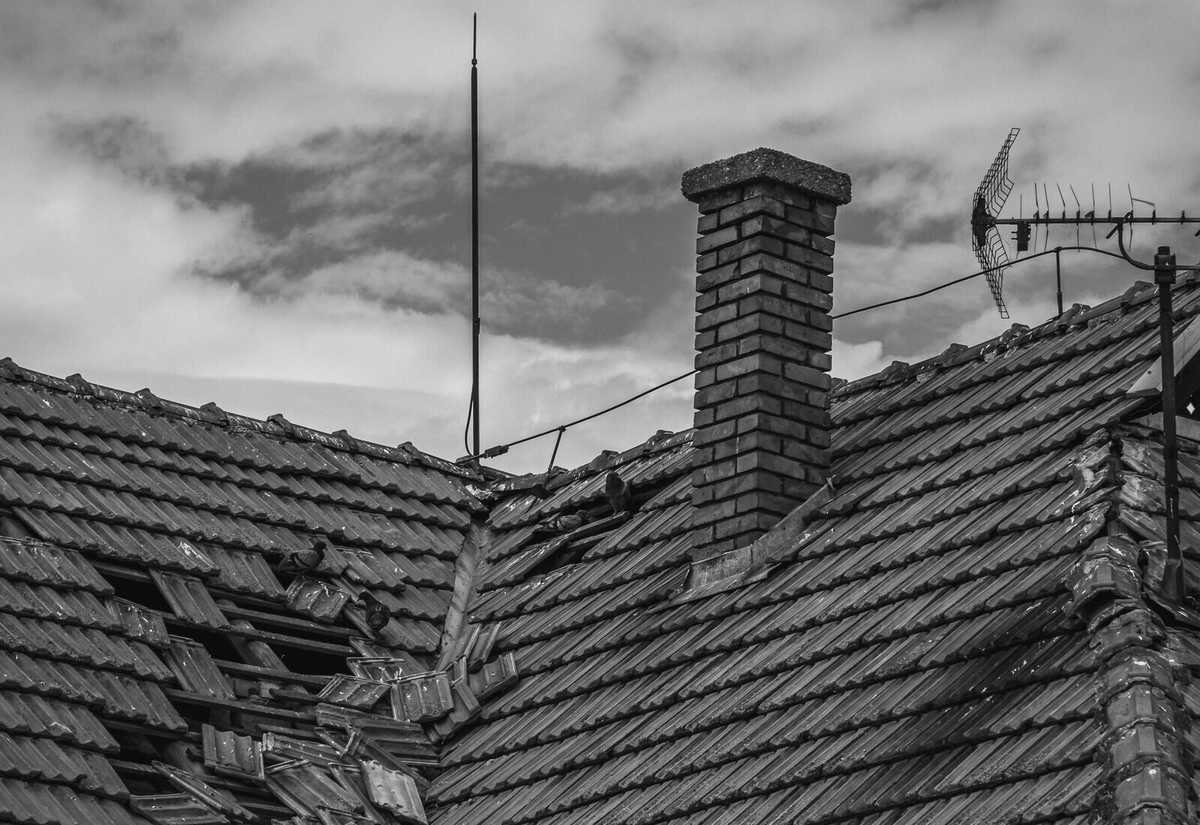
Quick answer: the Kent County storm damage checklist in five steps
After a storm or winter thaw reveals roof damage: (1) stay off the roof and check for hazards like downed lines, (2) photograph and date the damage once it’s safe, (3) keep winter water-intrusion and summer wind/hail damage in separate, dated records, (4) get temporary protection for an active leak, and (5) get matched with a licensed local Kent County roofer for a documented assessment before contacting your insurer. This order protects you first and gives your insurer the clearest record.
What should I do first — is it safe to inspect my own roof?
Ground-level safety comes before documentation. Walk the perimeter of the house from the ground rather than climbing onto the roof, and look up, not just at the roofline: downed or sagging power lines, large broken branches caught in the roof structure, and visible structural sagging are all reasons to stay back and call for help rather than inspect further yourself.
Once the immediate area is confirmed safe, move to documentation — from the ground or from safe vantage points like an upstairs window, not by climbing onto a wet or ice-covered roof.
Stop and call for help if you see:
- Downed or sagging power lines anywhere near the roof or yard
- Visible sagging in the roofline or ceiling from inside
- Large broken branches or debris still resting on the roof
- Active water pouring into a room, not just staining
Your immediate storm damage checklist
These four steps apply whether the damage is winter ice-dam water intrusion or summer wind and hail.
Confirm it’s safe
Check for downed lines, structural sagging, or debris still on the roof before doing anything else.
Photograph & date
Take clear, dated photos of the damage from the ground and from safe interior vantage points.
Stop further water intrusion
If there’s an active leak, place a container and towels inside; a licensed roofer can arrange temporary exterior protection.
Get matched with a roofer
A licensed local roofer can document and assess the damage and provide a written scope for your records.
Why Kent County needs two different checklists in one year
West Michigan’s climate produces two distinct damage seasons, and treating them as one blurs the record you need later.
Winter water intrusion and summer wind/hail are separate damage types in Kent County.
Ice-dam and snow-load water intrusion concentrates in this window, driven by the region’s standing snowpack.
Falls in December (20.8″), January (22.6″) and February (17.2″) — the ice-dam checklist window.
Warm-season convective storms bring the wind and hail impact damage the summer checklist addresses.
Sources: Current Results — Grand Rapids snowfall data (NOAA/NCEI Climate Normals, GRR).
Winter vs. summer: what changes on the checklist?
The core steps stay the same, but a few items are specific to each damage season.
Winter: ice-dam water intrusion
Note the date of the thaw, not just when staining appeared. Check the attic for frost or dampness on the underside of the roof deck, and photograph any ice ridge along the eaves alongside interior stains.
Summer: wind & hail
Photograph bruised or missing shingles, dented flashing, vents, and gutters, and note the specific storm date. Check for granule loss in downspouts, a common sign of hail impact.
Either season
Keep a simple dated log if more than one event shows up on the same roof, and get a licensed roofer’s written scope before or alongside contacting your insurer.
For a deeper look at photo and documentation standards, see our full guide on documenting storm damage for insurance in Kent County, and read how the summer hail and wind season works in West Michigan.
Questions Kent County homeowners ask
What’s the very first thing I should do after storm damage?+
Confirm it’s safe before doing anything else — check for downed power lines, structural sagging, or debris still on the roof. Only after that’s confirmed safe should you move on to photographing and dating the damage.
Should I climb onto my roof to check for damage?+
No. Document what you can see from the ground or from safe interior vantage points like an upstairs window. A licensed roofer matched through this site can safely inspect the roof itself.
How do I know if my leak is from an ice dam or wind/hail damage?+
Timing and location are the biggest clues: winter ice-dam leaks appear during or after a thaw and show up as ceiling staining, while wind and hail damage is tied to a specific summer storm and usually visible on the roof surface itself as bruised or missing shingles.
Do I need a tarp or temporary repair before a roofer arrives?+
If there’s an active leak, placing a container and towels inside can limit interior damage in the short term. A licensed roofer matched through this site can arrange proper temporary exterior protection.
Should I call my insurer or a roofer first?+
Either order can work, but having a licensed roofer’s documentation and written scope ready before or alongside your insurance call typically gives you a stronger, clearer record. We do not file or manage claims on your behalf.
Storm damage help across Grand Rapids & Kent County
We connect homeowners with licensed roofers throughout the Grand Rapids metro and surrounding West Michigan communities.
Continue the storm & insurance series
Get matched with a licensed Grand Rapids roofer
Call now and we’ll connect you with a licensed West Michigan roofer to assess and document the damage. No phone tag, no obligation.
Call now for a roofer
Independent dispatch service connecting homeowners with licensed local roofing professionals. We are not a roofing contractor.