Does Homeowners Insurance Cover Ice Dam Damage in Michigan?
Most Michigan homeowners policies cover sudden, accidental water damage from an ice dam — a stained ceiling, soaked insulation — but exclude damage an insurer decides was gradual or the result of deferred maintenance. For a Grand Rapids homeowner staring at a fresh water stain after a January thaw, that single distinction is usually what decides the claim. Grand Rapids Roofing Pros is an independent dispatch service that connects West Michigan homeowners with licensed local roofers who can document the damage; we are not an insurer and cannot promise a coverage outcome.
Call now for a licensed local roofer
Call now and we’ll connect you by phone with the licensed local roofer you’re matched with — no phone tag, no obligation.
Ready to talk to someone about your roof?
Call to reach the licensed local roofer you’re matched with in Grand Rapids & West Michigan.
Call (901) 704-8932When you call, stay on the line for a few seconds while we match you with the licensed local roofer for your area. Have your address and a quick description of the problem ready.
We connect homeowners with independent licensed roofing professionals in the Grand Rapids area. We are not a licensed contractor and do not perform roofing work ourselves.
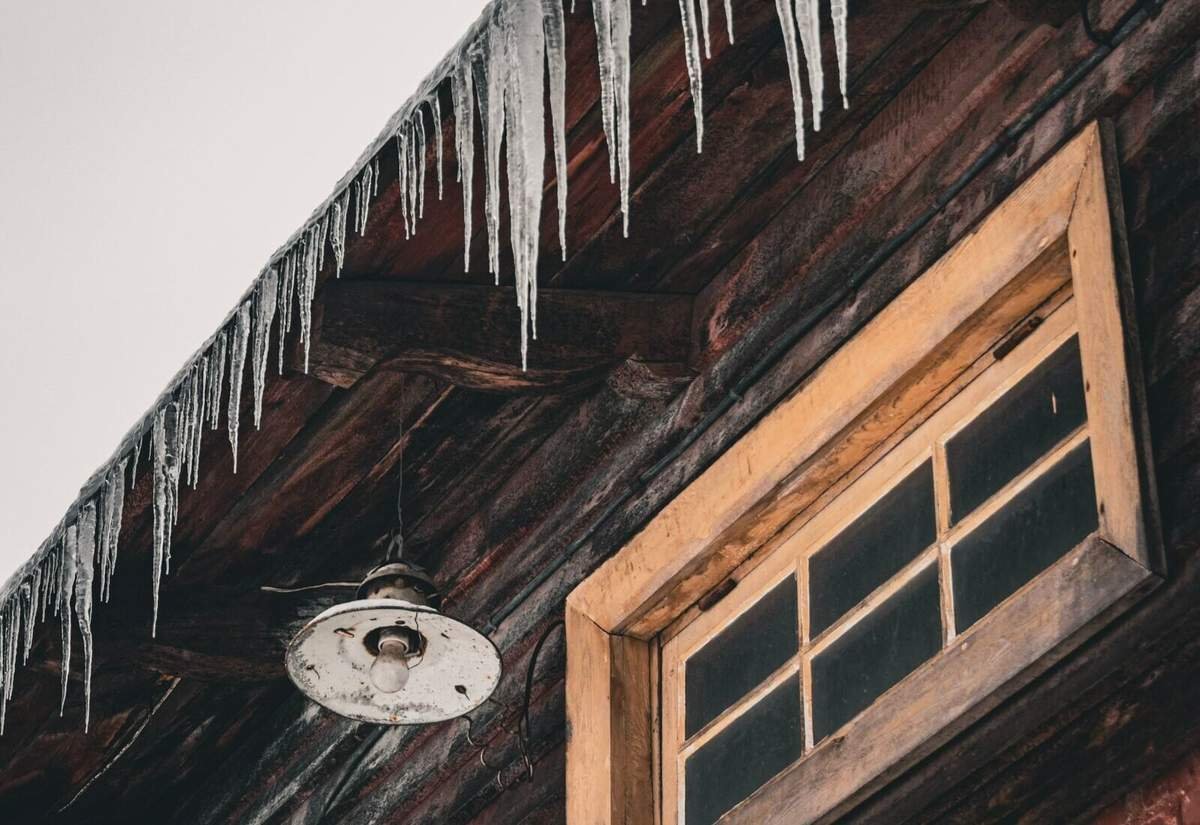
Quick answer: it depends on “sudden and accidental” — not on how much snow fell
Standard homeowners policies typically cover sudden, accidental interior water damage, such as a ceiling stain or ruined drywall, but exclude damage attributed to gradual deterioration, repeated seepage, or a lack of maintenance. An ice dam can read either way, so documenting the event as a discrete, sudden backup rather than a long-standing leak affects how an adjuster evaluates it. No roofer or dispatch service can guarantee a claim outcome; that call belongs to your insurer under Michigan policy language.
What does “sudden and accidental” actually mean for an ice dam claim?
Insurance carriers and consumer-facing insurance marketplaces consistently describe the same fork for ice-dam water damage: a policy generally responds to a sudden, accidental event, but excludes damage the insurer attributes to gradual deterioration or long-term neglect — for example, gutters that were never cleaned for years or attic ventilation that was known to be broken and never addressed. The physical water intrusion looks identical either way — meltwater forced under the shingles at the eave — but the story around it, and how it’s documented, is what an adjuster is actually evaluating. Michigan homeowners with coverage questions can also check with the Michigan Department of Insurance and Financial Services, which regulates how insurers in the state must handle these claims.
This is not a Grand Rapids-specific rule, but it is a Grand Rapids-specific problem: our roofs face this exact fork almost every winter, because ice dams here are a recurring, predictable West Michigan failure mode rather than a one-off event.
What to do the moment you spot damage
- Photograph the ice ridge or icicles at the eave from the ground, dated
- Photograph interior staining as soon as it appears, not days later
- Note the date and weather (thaw, cold snap) around when it started
- Avoid describing it as a leak you “noticed a while back” if it was sudden
Why does Grand Rapids face this exact coverage question every winter?
Ice dams aren’t random storm damage — they follow a documented seasonal pattern that Grand Rapids repeats most winters.
Grand Rapids roofs face two distinct damage seasons: winter ice-dam/snow-load water intrusion and summer wind/hail — document each separately.
Under MCL 500.2006(3), a Michigan insurer must specify in writing what counts as satisfactory proof of loss within 30 days of receiving a claim.
A claim supported by proof of loss must generally be paid within 60 days of the insurer receiving it, per the same Michigan statute.
MCL 500.2006(1)/(4) attach 12% annual interest to amounts not paid on a timely basis, unless the claim is reasonably in dispute.
Sources: Michigan Legislature — MCL 500.2006 and Policygenius — Does Homeowners Insurance Cover Ice Dam Damage?. This is general information, not legal or insurance advice for your specific policy.
Why does documentation timing matter more in Grand Rapids than in most markets?
West Michigan roofs face two genuinely different damage seasons, and mixing them up in a claim file rarely helps a homeowner.
Winter: ice-dam water intrusion
Meltwater backed up under the shingles by an eave ice ridge, typically discovered as a ceiling or wall stain during or right after a thaw between December and March.
Summer: wind and hail
A separate damage season driven by convective storms, with its own visible signs (missing shingles, dented flashing) and its own documentation approach.
Keep the files separate
An adjuster treats a January ice-dam interior-water claim differently from a July hail claim. Photographing and dating each event on its own strengthens both records.
For the storm-season half of this picture, see our guide to West Michigan hail and wind damage season. For the winter half, our ice dam insurance claim guide goes deeper on what adjusters look for.
Questions Grand Rapids homeowners ask about coverage
Will my insurance definitely cover an ice dam leak?+
Not automatically. Most policies cover sudden, accidental water damage but exclude damage the insurer decides was gradual or caused by deferred maintenance. Whether your specific claim is covered depends on your policy language and how the event is documented — we cannot promise or predict a coverage outcome.
Does insurance pay to remove the ice dam itself?+
Coverage questions like this vary by policy and carrier — some homeowners policies treat ice dam removal as a covered mitigation step tied to a water-damage claim, others don’t. Ask your carrier directly what your specific policy covers before assuming either way.
How fast does a Michigan insurer have to respond to my claim?+
Under MCL 500.2006, an insurer must specify what it needs as proof of loss within 30 days of receiving your claim, and generally pay a properly supported claim within 60 days of receiving that proof of loss. Late payment can carry 12% annual interest unless the claim is reasonably in dispute.
What if the adjuster says the damage looks gradual?+
That is exactly the “sudden vs. gradual” fork insurers evaluate. Clear, dated photos showing the ice ridge and the interior staining appearing together, close in time, are the strongest evidence that the event was sudden rather than a long-standing seep — but the final determination is the insurer’s, not ours.
Should I get a licensed roofer involved before I file?+
Many homeowners find it useful to have a licensed local roofer document the eave, attic, and interior damage before or alongside filing, since that professional documentation can support the claim file. We can match you with one, but we don’t handle the claim itself.
Storm and ice-dam documentation help across Grand Rapids & Kent County
We connect homeowners with licensed roofers throughout the Grand Rapids metro and surrounding West Michigan communities.
Related storm & insurance guides
Get matched with a licensed Grand Rapids roofer
Call now and we’ll connect you with a licensed West Michigan roofer who can help document the eave, attic, and interior damage for your file. No phone tag, no obligation, no coverage promises.
Call now for a roofer
Independent dispatch service connecting homeowners with licensed local roofing professionals. We are not a roofing contractor.