A Year-Round Roof Maintenance Calendar for Kent County Homes
A roof maintenance calendar for Kent County has to account for two very different stress seasons, not one. West Michigan roofs spend December through February under a standing snowpack that averages 60-plus inches across those three months alone, then pivot straight into a freeze-thaw whipsaw each March and April before a short, dry project window opens from May through September. Grand Rapids Roofing Pros is an independent dispatch service connecting Kent County homeowners with licensed local roofers year-round.
Call now for a licensed local roofer
Call now and we’ll connect you by phone with the licensed local roofer you’re matched with — no phone tag, no obligation.
Ready to talk to someone about your roof?
Call to reach the licensed local roofer you’re matched with in Grand Rapids & West Michigan.
Call (901) 704-8932When you call, stay on the line for a few seconds while we match you with the licensed local roofer for your area. Have your address and a quick description of the problem ready.
We connect homeowners with independent licensed roofing professionals in the Grand Rapids area. We are not a licensed contractor and do not perform roofing work ourselves.
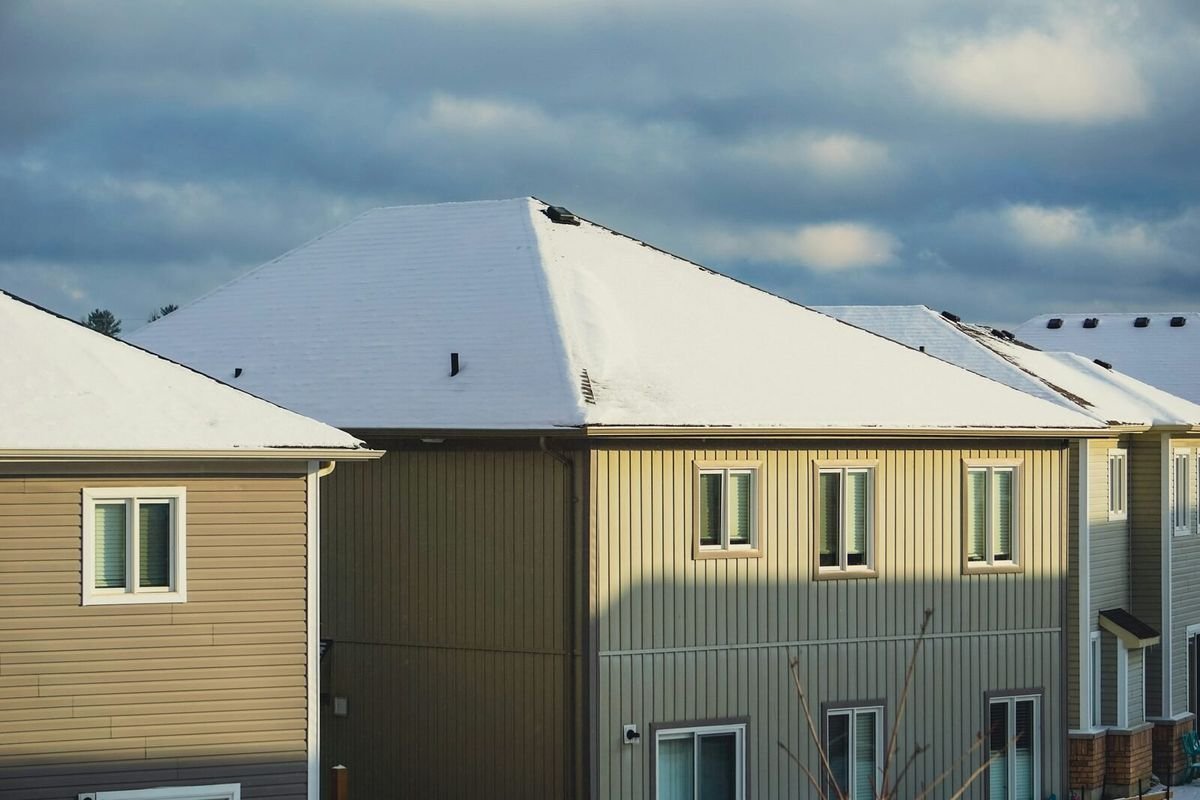
Quick answer: what does a full-year Kent County roof calendar look like?
Fall (September–November) is for prep: gutters cleared, attic air-sealing checked, and ice-barrier coverage confirmed before the snowpack arrives. Winter (December–March) is for monitoring: watching eaves for ice ridges and ceilings for staining rather than doing hands-on repair. Spring (March–May) is for damage assessment: freeze-thaw cycling loosens flashing and shingles, so hidden winter damage typically surfaces now. Summer (June–September) is the project season: the most reliable stretch for replacement and larger repairs.
Why doesn’t one seasonal schedule fit a Kent County roof?
Most generic roof-maintenance advice assumes a single wear pattern year-round. Kent County roofs actually face two distinct damage seasons: winter ice-dam and snow-load water intrusion, and warm-season wind and hail from summer convective storms. A calendar built around only one of those misses the other — a spring gutter-cleaning schedule alone won’t catch a fall attic air leak, and a fall-only checklist won’t flag summer storm damage.
Splitting the year into four stretches, rather than a single annual to-do list, keeps each season’s specific risk in view instead of averaging them into generic advice.
The four-season cycle at a glance
- Fall: gutter clearing, attic air-sealing, ice-barrier check
- Winter: monitor eaves & ceilings, avoid DIY snow removal
- Spring: assess freeze-thaw damage to flashing & valleys
- Summer: schedule replacement or larger repair projects
The Kent County roof calendar, in detail
Each season has a different job. Here’s what belongs in each one, and where to go deeper.
Prep before the pack arrives
Clear gutters, seal attic air leaks, and confirm eave ice-barrier coverage. See our full winter prep guide.
Monitor, don’t climb
Watch for ice ridges and ceiling staining during the Dec–Mar peak. See what changes during peak ice dam season.
Assess freeze-thaw wear
March and April’s melt-refreeze cycling is when marginal flashing and nail pops start leaking. See our spring damage guide.
Plan bigger projects
Warm, dry months are the practical window for replacement. See replacement timing and shingle lifespan in this climate.
Three things every Kent County homeowner should watch year-round
Attic conditions, not just shingles
Insulation depth and ventilation drive winter ice-dam risk regardless of how the shingle field looks from the ground. See our attic ventilation guide.
Gutter & eave clearance
Clear gutters matter in every season — for meltwater drainage in winter and storm runoff in summer alike.
One annual professional inspection
An attic-inclusive fall inspection catches the most, since it checks the exact variables — insulation, air-sealing, ventilation — that drive winter risk.
Why the year splits the way it does
Average annual snowfall at Gerald R. Ford International Airport (NOAA climate normals, 1991–2020).
Average days per year with standing snow of 5 inches or more, mostly the winter monitoring stretch.
Snowfall drops sharply through spring, but freeze-thaw cycling — not snow totals — drives spring risk.
Grand Rapids’ seasonal snowfall average, up from 70.9″ a generation ago — the winter stretch isn’t shrinking.
Sources: Current Results — Grand Rapids snowfall data (NOAA/NCEI Climate Normals, GRR).
Questions Kent County homeowners ask
How often should a Kent County roof be inspected?+
Once a year is the standard recommendation, ideally in fall and including the attic. That timing checks insulation, air-sealing, and ventilation before the winter stretch when they matter most.
What’s the biggest seasonal mistake homeowners make?+
Treating roof maintenance as a once-a-winter, ice-focused task rather than a four-season cycle. Skipping fall attic prep or a spring damage check means problems compound before anyone notices them.
When is the best time of year to schedule a roof replacement in Kent County?+
The warmer, drier months roughly May through September are the practical window, since shingle materials and sealants need sustained warmer temperatures to install and bond properly. See our full replacement-timing guide for specifics.
Does this calendar change between Grand Rapids and its suburbs?+
Not materially. The same NOAA station data and climate pattern apply across the Grand Rapids metro, so the same four-season structure works whether you’re in the city or a surrounding Kent County suburb.
Year-round roof help across Grand Rapids & Kent County
We connect homeowners with licensed roofers throughout the Grand Rapids metro and surrounding West Michigan communities.
Continue the seasonal series
Get matched with a licensed Grand Rapids roofer
Call now and we’ll connect you with a licensed West Michigan roofer, whatever the season. No phone tag, no obligation.
Call now for a roofer
Independent dispatch service connecting homeowners with licensed local roofing professionals. We are not a roofing contractor.