January–March: Grand Rapids’ Peak Ice Dam Season
Grand Rapids’ ice dam season runs January through March, the stretch when West Michigan’s standing snowpack is deepest and attic heat has the most fuel to work with. Grand Rapids Roofing Pros is an independent dispatch service connecting West Michigan homeowners with licensed local roofers for ice dam removal and repair during this window.
Call now for a licensed local roofer
Call now and we’ll connect you by phone with the licensed local roofer you’re matched with — no phone tag, no obligation.
Ready to talk to someone about your roof?
Call to reach the licensed local roofer you’re matched with in Grand Rapids & West Michigan.
Call (901) 704-8932When you call, stay on the line for a few seconds while we match you with the licensed local roofer for your area. Have your address and a quick description of the problem ready.
We connect homeowners with independent licensed roofing professionals in the Grand Rapids area. We are not a licensed contractor and do not perform roofing work ourselves.
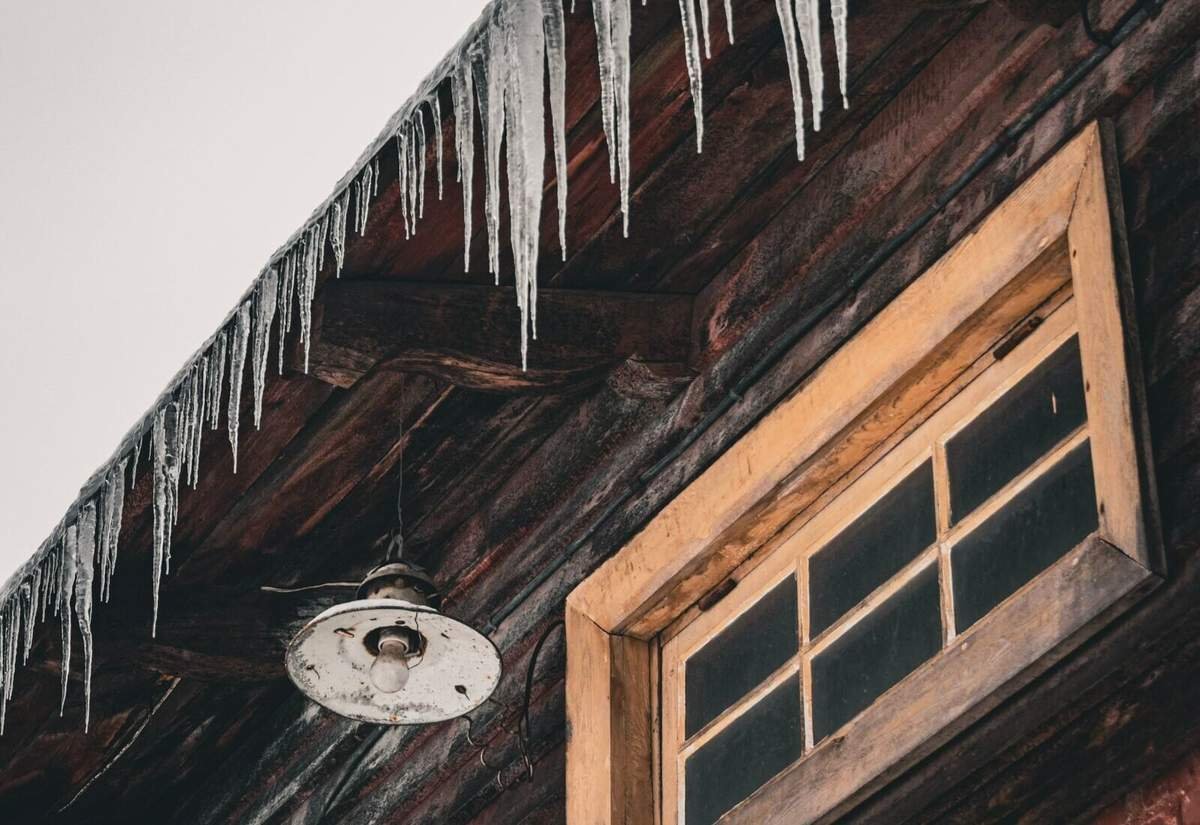
Quick answer: when is ice dam season in Grand Rapids?
Ice dam season in Grand Rapids runs from roughly late December through March, with January the highest-risk month, when the metro’s snowpack is heaviest and most persistent. Grand Rapids holds five inches or more of standing snow for about 29 days a year, mostly in January and February, and that standing pack is what keeps feeding meltwater to the eaves night after night. Grand Rapids Roofing Pros connects homeowners with licensed local roofers for inspections timed to that window.
Why does the risk keep building even between storms?
Ice dams don’t need a blizzard — they need a snowpack that stays put while attic heat works on it from below, night after night. Once December’s snow accumulates and January adds more on top, the pack rarely fully melts before the next system arrives, so the melt-refreeze cycle at the eaves just keeps compounding. The metro holds a foot or more of standing snow for over 8 days a year, almost entirely inside that same stretch. For the full attic-heat mechanism behind that cycle, see how ice dams form on Grand Rapids roofs.
March changes the pattern rather than ending it: snowfall tapers to roughly 7.6 inches, but daytime melt and nighttime refreeze begin stressing flashing, valleys, and nail pops in addition to any dam that’s still active — see our spring freeze-thaw damage guide for what changes once that shift starts.
Three things change once you’re inside the peak window
Prevention tasks are for the fall. Once you’re inside January–March, the right response is different.
DIY ice removal gets riskier
A snow-loaded roof is not the place to chip at ice with a shovel or an axe — it’s easy to damage shingles or fall. See our DIY vs. professional removal comparison before attempting anything yourself.
Response time matters more
An active dam that’s already backing water under the shingles isn’t a wait-and-see situation. Our roof leak emergency guide covers how to triage a leak that shows up mid-winter.
Insurance documentation should start immediately
If water reaches the ceiling, photograph and date it right away. See documenting an ice-dam water-intrusion claim for what to capture.
What to do if you’re in an active ice dam right now
Look, don’t climb
Check the eaves from the ground for a thickening ice ridge and check upper-floor ceilings for new staining after a thaw.
Photograph & date it
Take dated photos of any ceiling staining or visible ice buildup as soon as you notice it, before repairs begin.
Get a licensed inspection
A licensed roofer can confirm whether the cause is an ice dam, a shingle failure, or both — see our diagnosis guide.
Address the attic, not just the ice
Removing the ice is temporary relief. See temporary vs. permanent ice dam repair for what a lasting fix requires.
How the three-plus-one-month window breaks down
The standing pack begins in earnest as attic heat gets continuous snow cover to melt from below.
Grand Rapids’ snowiest month on average, and the deepest point of ice dam season.
Still deep in the standing-pack window; most of the year’s 10″+ snow-depth days fall in Jan–Feb.
Snowfall drops sharply, but freeze-thaw cycling adds a second, different stress on top of any lingering dam.
Sources: Current Results — Grand Rapids snowfall and snow-depth data (NOAA/NCEI Climate Normals, GRR).
Questions Grand Rapids homeowners ask
Why is January Grand Rapids’ worst month for ice dams?+
January averages 22.6 inches of snowfall, the highest of any month, arriving on top of December’s pack rather than starting fresh. The combined standing snow gives attic heat the most continuous fuel of the year to melt from below.
Does ice dam season end when the snow stops?+
Not immediately. March’s snowfall drops to around 7.6 inches, but daytime melt and nighttime refreeze cycling continues stressing flashing, valleys, and any dam still in place, so leak risk lingers into early spring even as totals fall.
Should I try to remove an ice dam myself during peak season?+
It carries real risk. Chipping at ice on a snow-loaded roof can damage shingles or cause a fall, and it doesn’t address the attic-heat cause. A licensed roofer can remove it safely and check the attic at the same time.
How is responding mid-season different from preventing a dam in the fall?+
Prevention work like gutter clearing and attic air-sealing happens before the snowpack sets in. Once you’re inside the January–March window with an active dam, the priority shifts to safe removal, dated documentation, and an attic-side diagnosis rather than DIY prep tasks.
Ice dam help across Grand Rapids & Kent County
We connect homeowners with licensed roofers throughout the Grand Rapids metro and surrounding West Michigan communities.
Continue the seasonal series
Get matched with a licensed Grand Rapids roofer
Call now and we’ll connect you with a licensed West Michigan roofer for ice dam removal and an attic-side diagnosis. No phone tag, no obligation.
Call now for a roofer
Independent dispatch service connecting homeowners with licensed local roofing professionals. We are not a roofing contractor.